- English
- Español
- Português
- русский
- Français
- 日本語
- Deutsch
- tiếng Việt
- Italiano
- Nederlands
- ภาษาไทย
- Polski
- 한국어
- Svenska
- magyar
- Malay
- বাংলা ভাষার
- Dansk
- Suomi
- हिन्दी
- Pilipino
- Türkçe
- Gaeilge
- العربية
- Indonesia
- Norsk
- تمل
- český
- ελληνικά
- український
- Javanese
- فارسی
- தமிழ்
- తెలుగు
- नेपाली
- Burmese
- български
- ລາວ
- Latine
- Қазақша
- Euskal
- Azərbaycan
- Slovenský jazyk
- Македонски
- Lietuvos
- Eesti Keel
- Română
- Slovenski
- मराठी
- Srpski језик

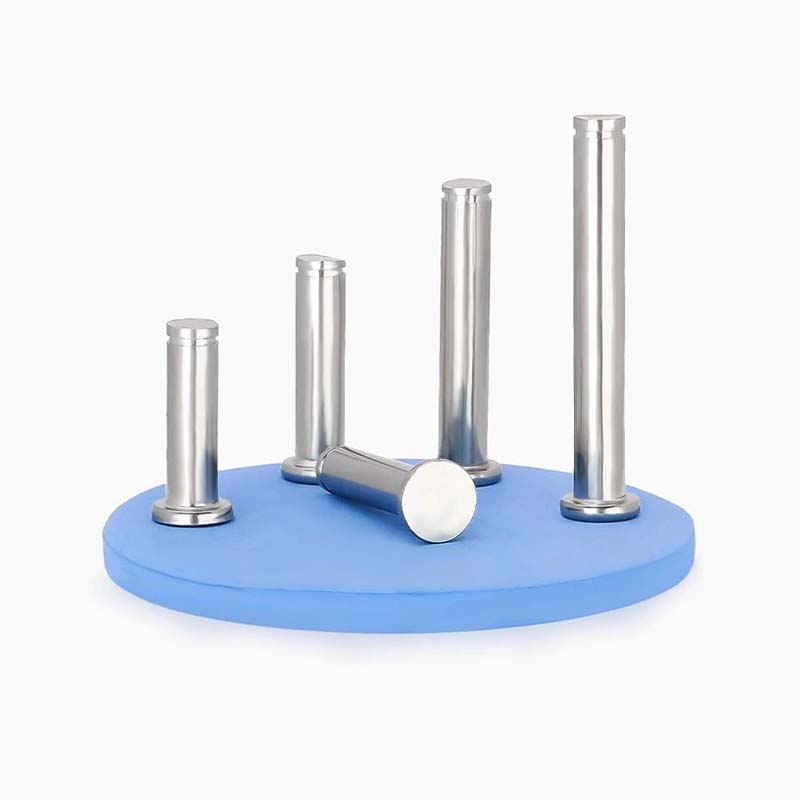
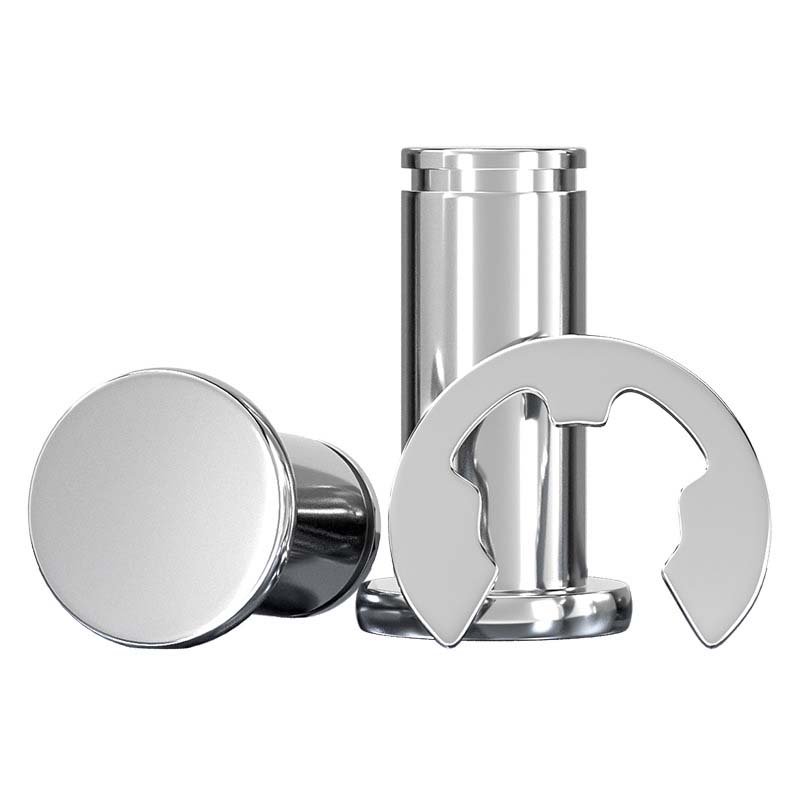
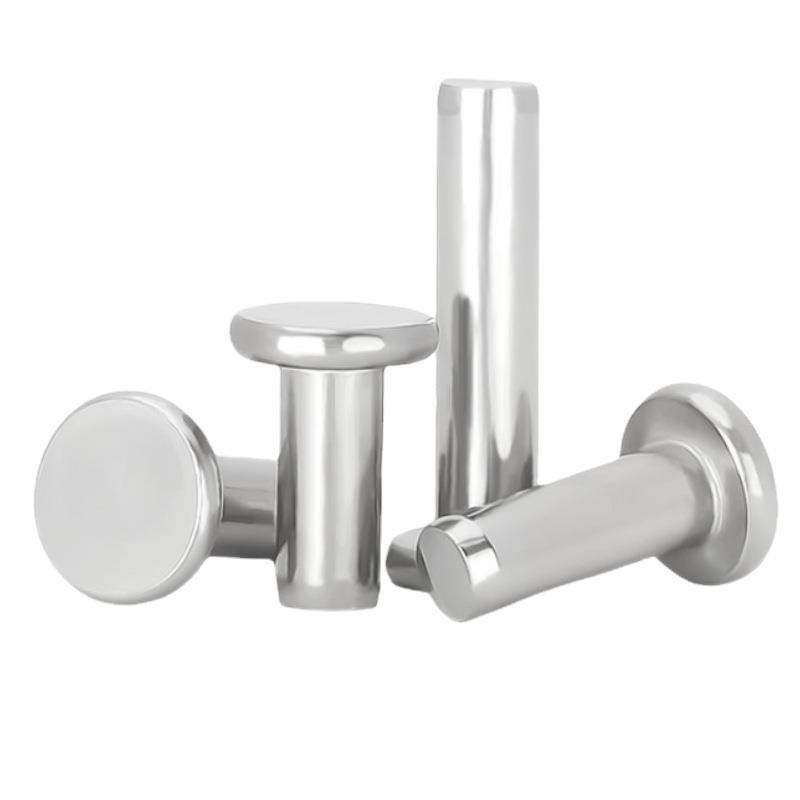
Clevis Pin
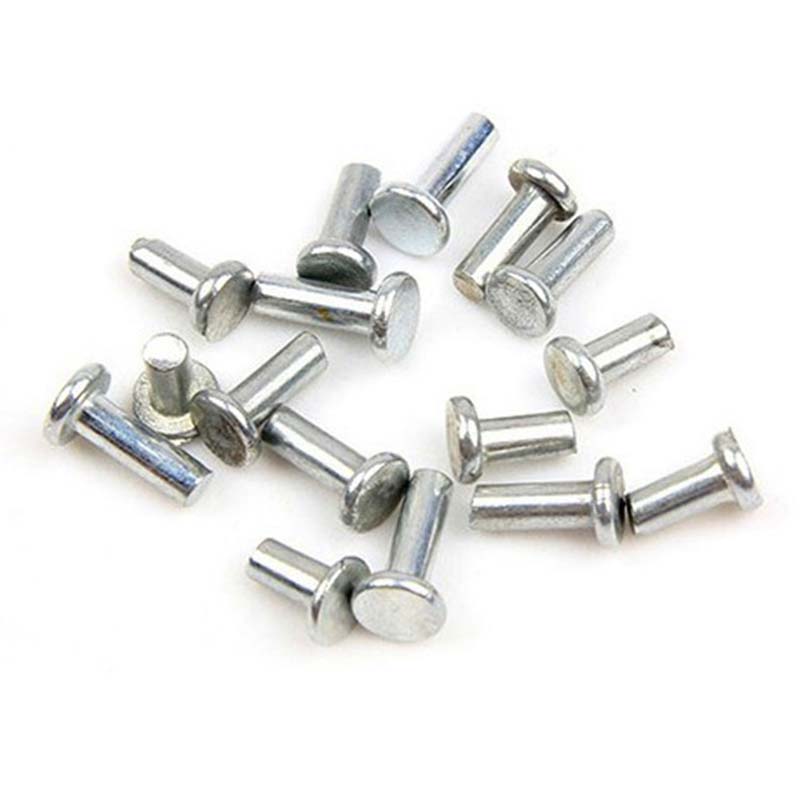
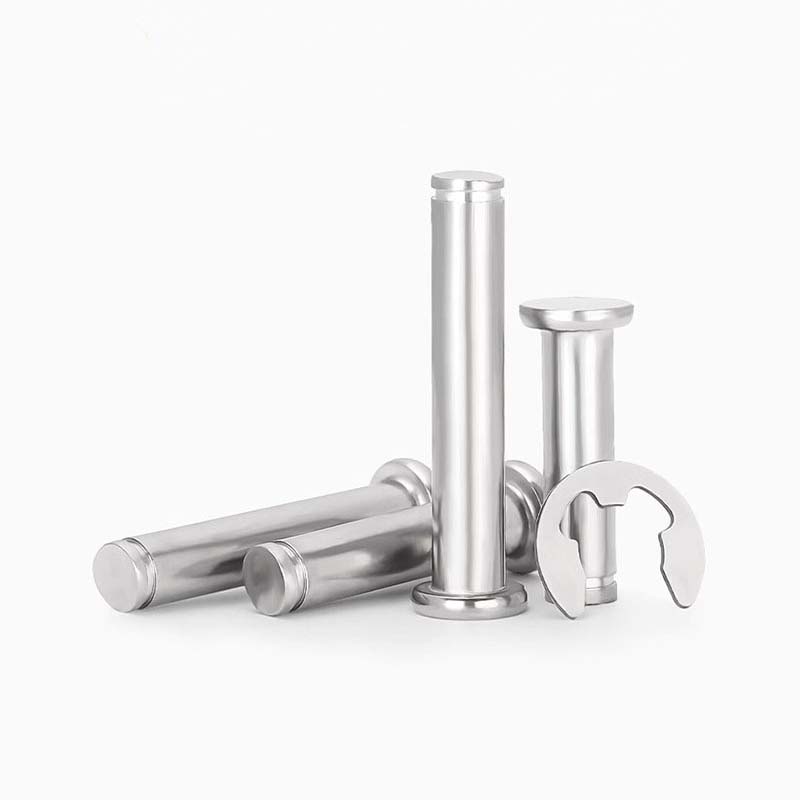
A clevis pin is a round pin used to tightly connect machine parts together. Used with a clevis pin and tang, it is suitable for objects that need to pivot or hinge. Xiaoguo® is a leading global exporter specializing in providing high-quality fasteners for industrial applications.
Model:SAE J493-1961
Send Inquiry
Product Description
A clevis pin is an important fastener. It’s used to hold parts together in machines where they need to pivot or connect along a straight line. It has a round shaft with a hole drilled in one end for a cotter pin or split ring. This keeps it from failing when there’s a lot of stress or heavy loads. The design is simple but tough, so it’s easy to put in and take out. That makes it a good choice for setups where you need to adjust things often.
You’ll see these pins a lot in linkages, control systems, and heavy machinery. They keep everything stable while letting parts rotate or move. They’re made to specific standards, so industries that need safe, long-lasting parts rely on them a lot.
They are used in linkages, control systems, and heavy machinery to allow connected parts to rotate or move, but operate stably and not get out of place. We manufacture our pins to quality standards and are often used in industries that require safe and durable parts.
Size
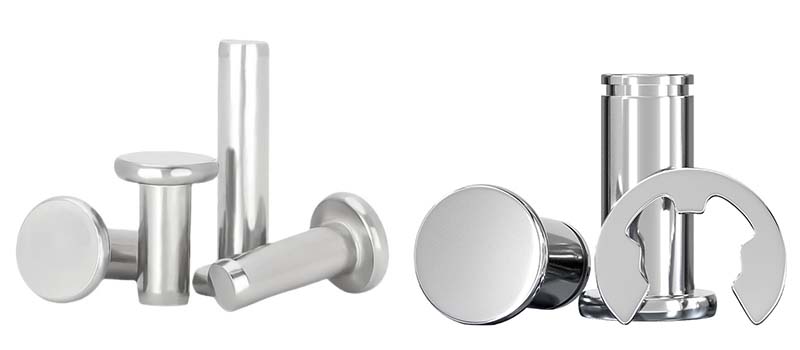
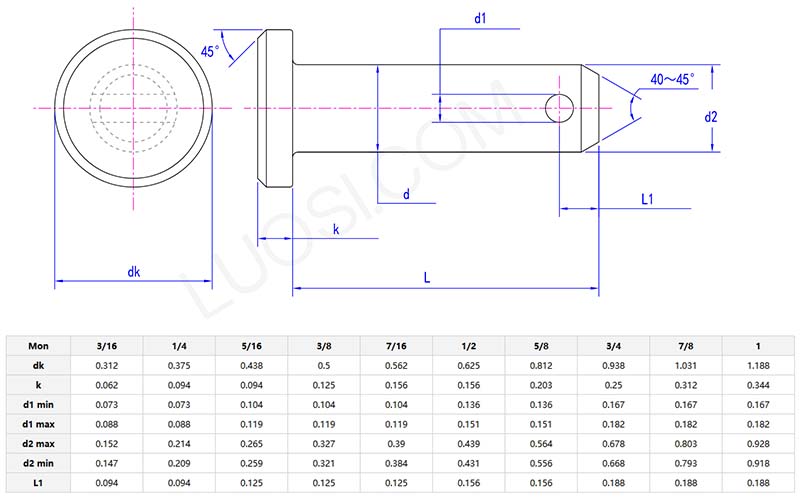
Clevis pin come in standard sizes: diameters from 1/4 inch to 2 inches and lengths from 0.5 inches to 12 inches. They follow norms like ASME B18.8.1 or ISO 2341. If you need custom sizes for special machines, they can be made with tight tolerances,even as small as ±0.001 inch. The hole through the pin (for the cotter pin or R-clip) is machined precisely so it lines up perfectly.
There are both metric and imperial versions, so they work anywhere in the world. Manufacturers give CAD models to help with engineering designs. For setups that vibrate a lot, there are options with knurled or grooved surfaces to keep the pin from slipping.
Common Materials and Durability
Our clevis pins are made of high-quality stainless steel or carbon steel. Carbon steel pins are heat treated to make them stronger and more wear-resistant. Stainless steel pins are not easy to rust, which is very suitable for harsh environments. For carbon steel pins, we will add zinc plating or other anti-rust layers to protect them.
We will carefully check each batch of pins to ensure that the hardness and size are consistent. This way, they can work stably and long-term in applications such as mechanical linkages, agricultural machinery or construction equipment. If you need a specific material suitable for your load or environment, please let us know and we can customize it for you.
Product surface treatment
Surface treatments for these pins mainly focus on rust resistance and wear protection, fitting different use environments. The most common one is zinc plating—this process coats a thin zinc layer on the surface, which stops oxidation and is cost-effective for general indoor use. For outdoor or damp places, galvanization is used; it’s thicker than zinc plating and holds up better against rain and moisture. Some pins get black oxide treatment, which adds a dark finish and mild corrosion resistance, often used for machinery parts that don’t need high anti-rust performance. Passivation is another option, mainly for stainless steel pins to enhance their natural corrosion resistance. The treatment process follows basic industry practices, ensuring the layer adheres well and doesn’t peel off easily. Clevis Pin gets the right surface treatment based on its intended use, so it maintains performance over time without extra maintenance.
Product specifications and grades
Specifications and grades vary to match different application needs, with clear standards to follow. Sizes are measured by diameter and length, ranging from small 3mm diameter pins for light use to larger 20mm+ ones for heavy-duty work. The length usually covers 10mm to 150mm, and some manufacturers make custom sizes on request. The pin head style is also a specification—most have a flat head or a rounded head, with a hole at the other end for a cotter pin to lock it in place. Grades relate to material strength; common grades for carbon steel pins follow ASTM standards, with higher grades used for load-bearing applications. Stainless steel pins often follow AISI standards, marked with material numbers like 304 or 316. Each pin is labeled with its specs and grade, so users can pick the right one. Clevis Pin meets corresponding standards for each grade, ensuring it fits the load and environment it’s used in, without mismatched performance.
Hot Tags: Clevis Pin, China, Manufacturer, Supplier, Factory
Related Category
Send Inquiry
Please Feel free to give your inquiry in the form below. We will reply you in 24 hours.