- English
- Español
- Português
- русский
- Français
- 日本語
- Deutsch
- tiếng Việt
- Italiano
- Nederlands
- ภาษาไทย
- Polski
- 한국어
- Svenska
- magyar
- Malay
- বাংলা ভাষার
- Dansk
- Suomi
- हिन्दी
- Pilipino
- Türkçe
- Gaeilge
- العربية
- Indonesia
- Norsk
- تمل
- český
- ελληνικά
- український
- Javanese
- فارسی
- தமிழ்
- తెలుగు
- नेपाली
- Burmese
- български
- ລາວ
- Latine
- Қазақша
- Euskal
- Azərbaycan
- Slovenský jazyk
- Македонски
- Lietuvos
- Eesti Keel
- Română
- Slovenski
- मराठी
- Srpski језик

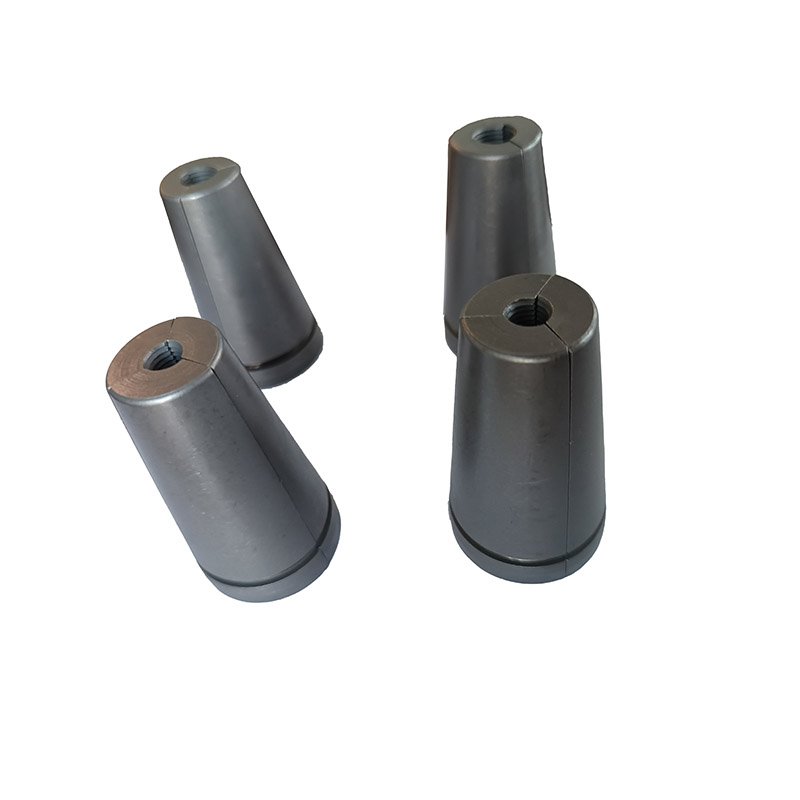
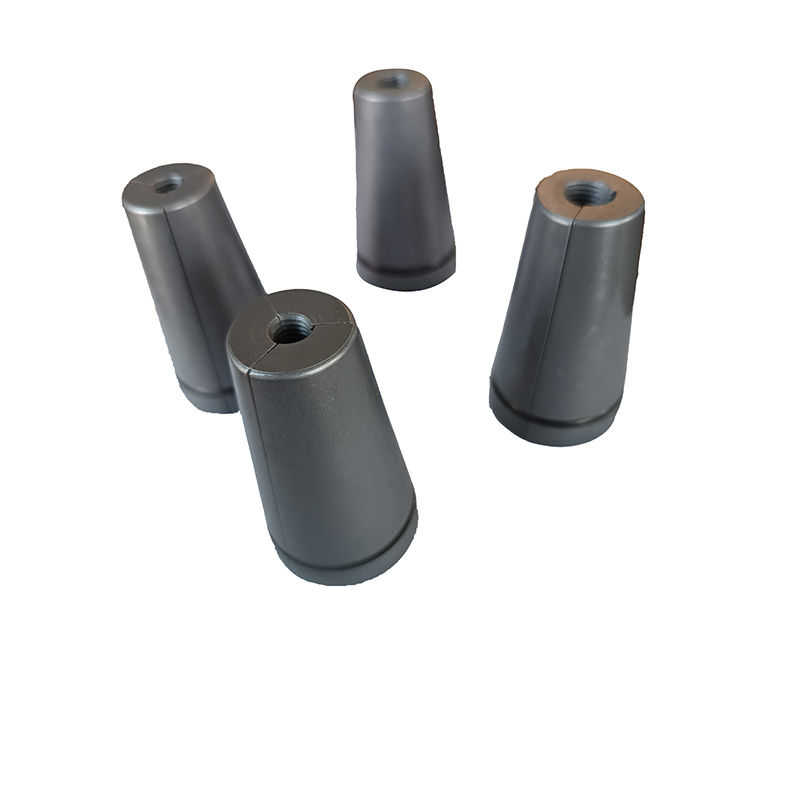
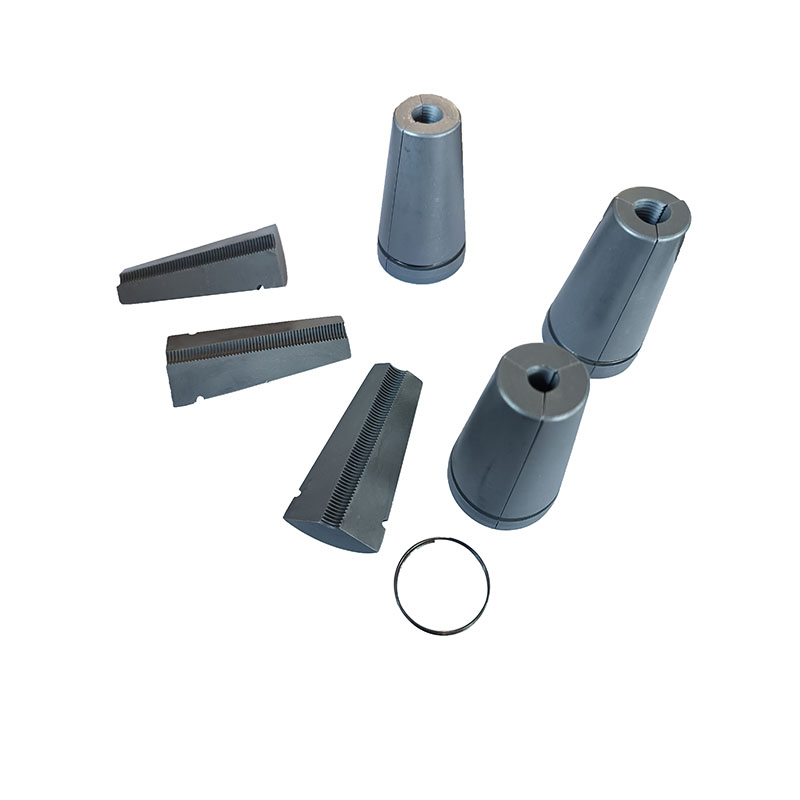
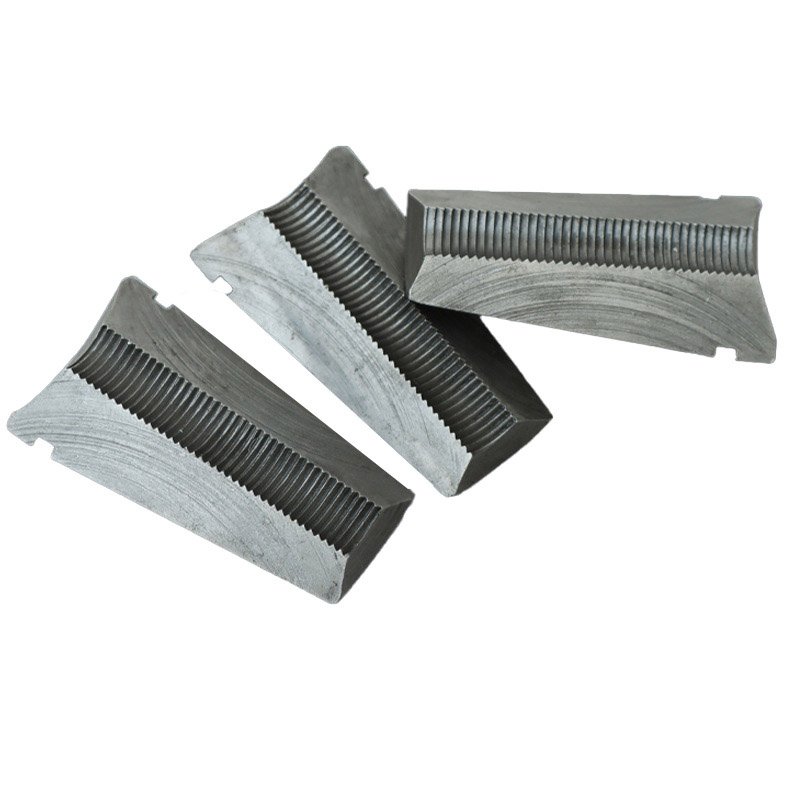
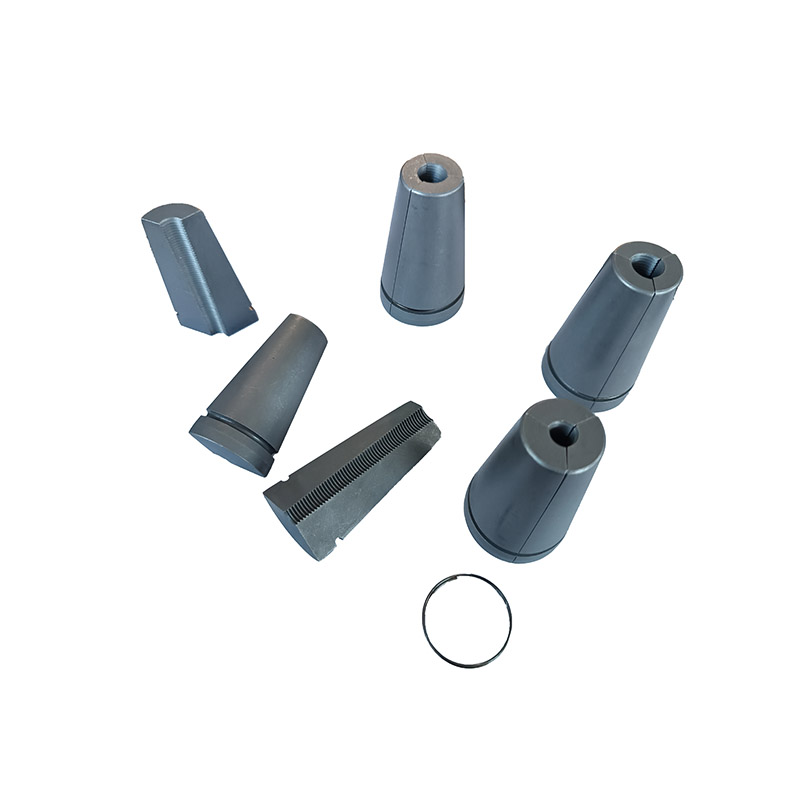
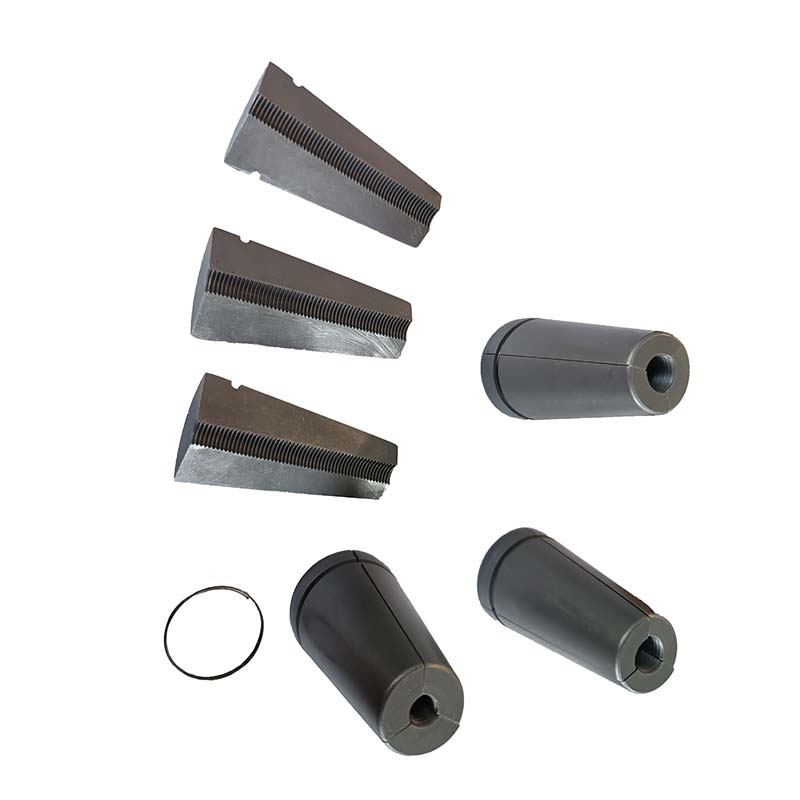
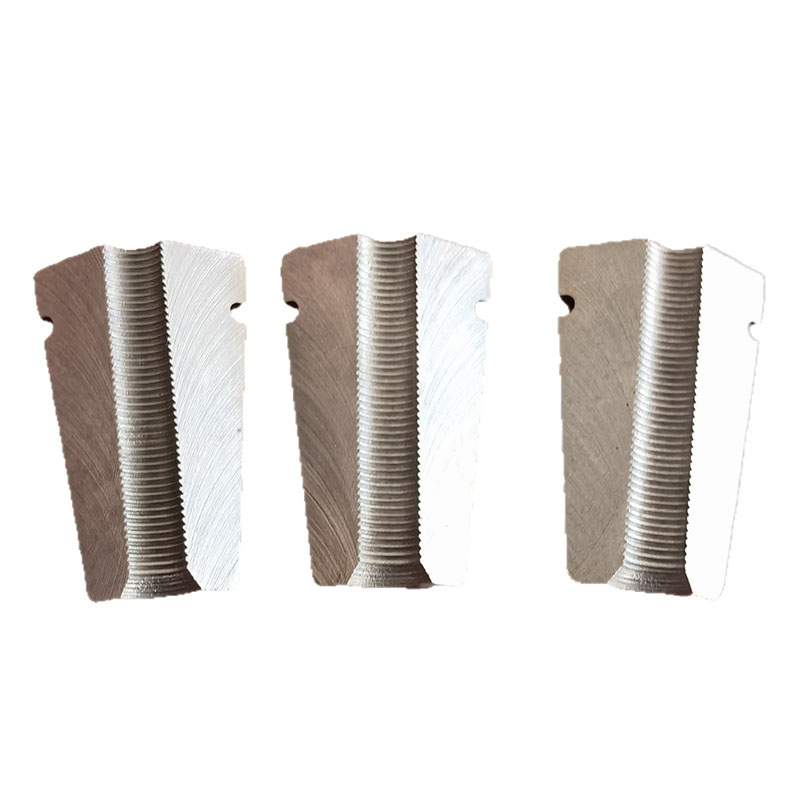
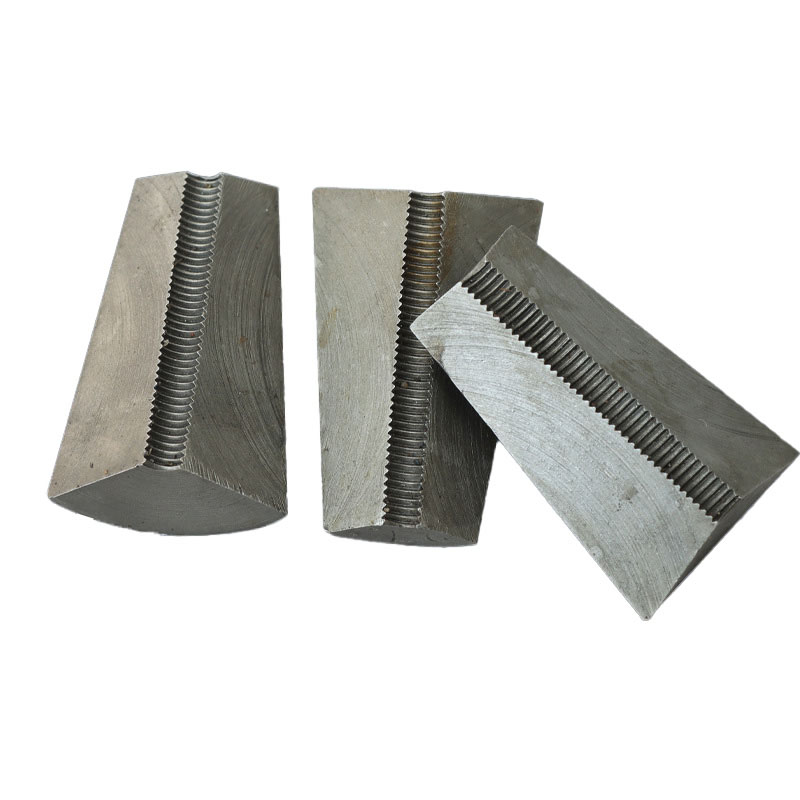
Carbon Fiber Anchorage Gripper
Xiaoguo® is one of the reliable China Carbon Fiber Anchorage Gripper suppliers, selling advanced & easy-maintainable Carbon Fiber Anchorage Gripper. Buy product at low price with 3 years warranty, fancy design fits construction/climbing. Cheap product with stable grip for all high-risk work.
Send Inquiry
Product Description
Usage method
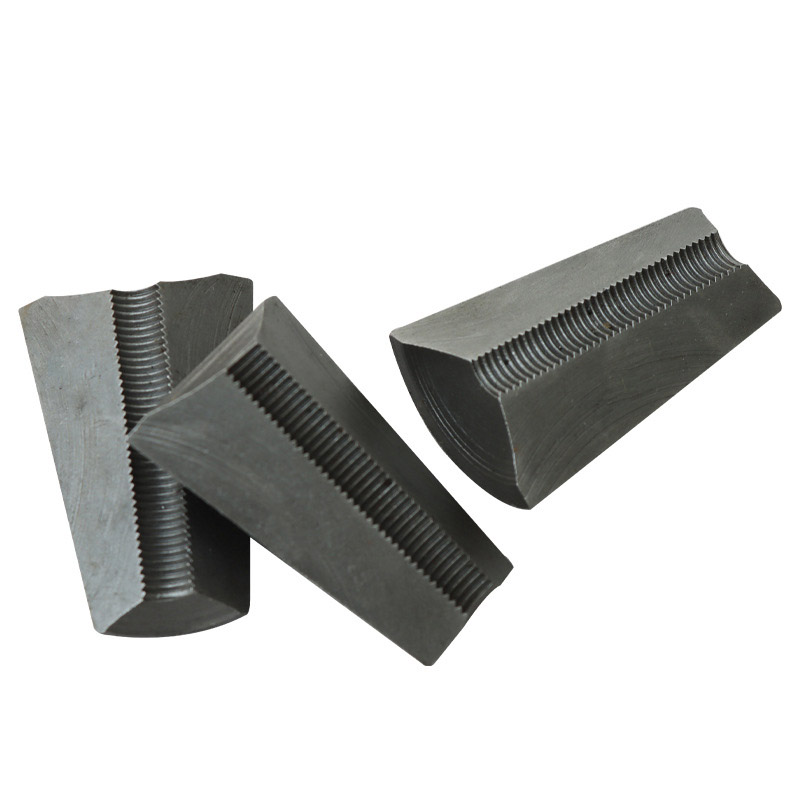
Before use, please ensure that the Carbon Fiber Anchorage Gripper is in perfect condition - make sure the main body has no cracks, the wedge teeth are not worn, and all connecting parts are securely fastened and not loose.First pick a solid anchoring point, like a sturdy steel beam, thick tree trunk, or a scaffolding pole that’s up to standard. Clean off the surface of the anchoring point, get rid of any oil, rust or dirt that might stop it from gripping properly.
Open the device’s clamp or hook, slip it onto the anchoring point, and lock it down tight. Make sure the wedge is fully pressed against the surface; give it a gentle pull to test if it holds fast. Then hook your safety harness or other equipment up to the D-ring on the device. When you’re using it, don’t put more weight on it than its rated capacity—no overloading it. Never use it on an anchoring point that’s wobbly or damaged.
When you’re done using it, unlock the clamp, take the device off, and check it for wear again. Wipe off any dirt and store it somewhere dry. The Carbon Fiber Anchorage Gripper is easy to use, but you need to check it properly before and after each use to make sure it’s safe to use every time, no matter the situation.
Product surface treatment
We do surface treatments on our Carbon Fiber Anchorage Gripper mainly for anti-corrosion and wear resistance, so it works well in different environments. Most models start with hot-dip galvanizing—we dip the metal body into molten zinc, and that forms a protective layer on it. This layer keeps the metal from rusting in damp or outdoor places, like construction sites that get rained on and covered in dust.
Some parts get electroplating instead; this creates a thinner, more even coating, and it’s good for smaller components that need precise sizes. For certain products, we add a matte powder coating after galvanizing. This makes the surface non-slip and also keeps moisture out even better. If the parts are going to be used in marine or chemical areas, we use chrome plating—this makes them much more resistant to saltwater and chemical corrosion.
We don’t add any decorative surface treatments at all; every process we do is just to make the product last longer. After the surface treatment is done, we check each unit to make sure the coating is even—there can’t be any missing spots or bubbles on it. The surface treatment we use is matched to the material’s own properties, so the coating won’t peel off, and the device can hold up to regular use and rough working conditions alike.
FAQ
Q: How long is the service life of Carbon Fiber Anchorage Gripper in outdoor humid environments?
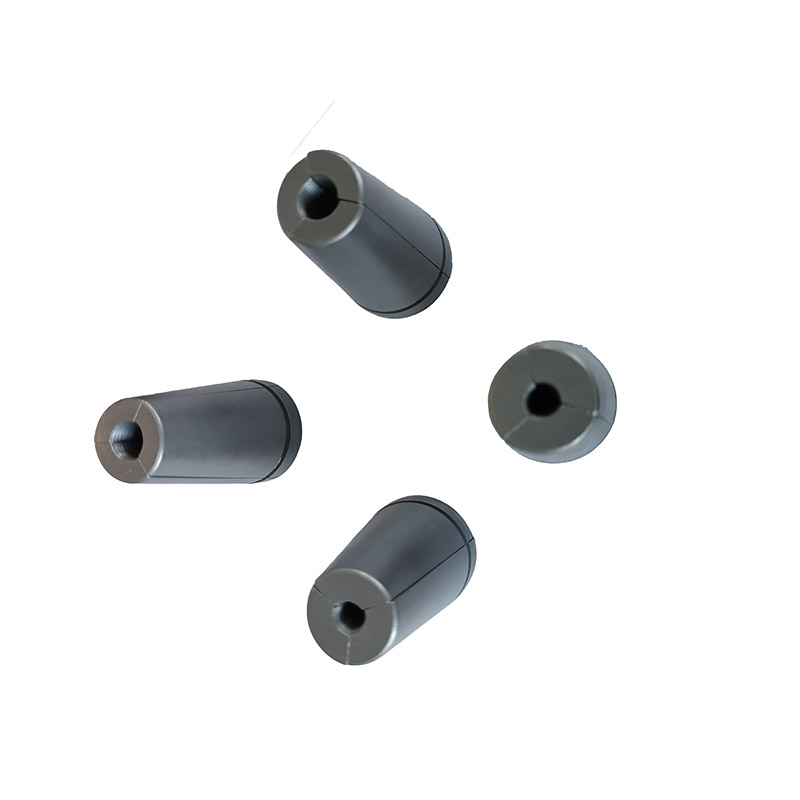
A: The product adopts hot-dip galvanizing and powder coating, which resist rust and corrosion. In outdoor humid conditions, its service life can reach 3 to 5 years with regular maintenance. Wipe off moisture and dirt after use and store in a dry place. For marine environments, choose the chrome-plated model for better saltwater resistance.
Hot Tags: Carbon Fiber Anchorage Gripper, China, Manufacturer, Supplier, Factory
Related Category
Hot Dip Galvanized Billet Steel Wire
Galvanized Steel Wire For Optical Cables
Steel Strands
Round Wire Rope
Aircraft Steel Wire Rope
Stainless Steel Wire Rope
Gripper Wedge
Anchorage Gripper
Send Inquiry
Please Feel free to give your inquiry in the form below. We will reply you in 24 hours.