- English
- Español
- Português
- русский
- Français
- 日本語
- Deutsch
- tiếng Việt
- Italiano
- Nederlands
- ภาษาไทย
- Polski
- 한국어
- Svenska
- magyar
- Malay
- বাংলা ভাষার
- Dansk
- Suomi
- हिन्दी
- Pilipino
- Türkçe
- Gaeilge
- العربية
- Indonesia
- Norsk
- تمل
- český
- ελληνικά
- український
- Javanese
- فارسی
- தமிழ்
- తెలుగు
- नेपाली
- Burmese
- български
- ລາວ
- Latine
- Қазақша
- Euskal
- Azərbaycan
- Slovenský jazyk
- Македонски
- Lietuvos
- Eesti Keel
- Română
- Slovenski
- मराठी
- Srpski језик

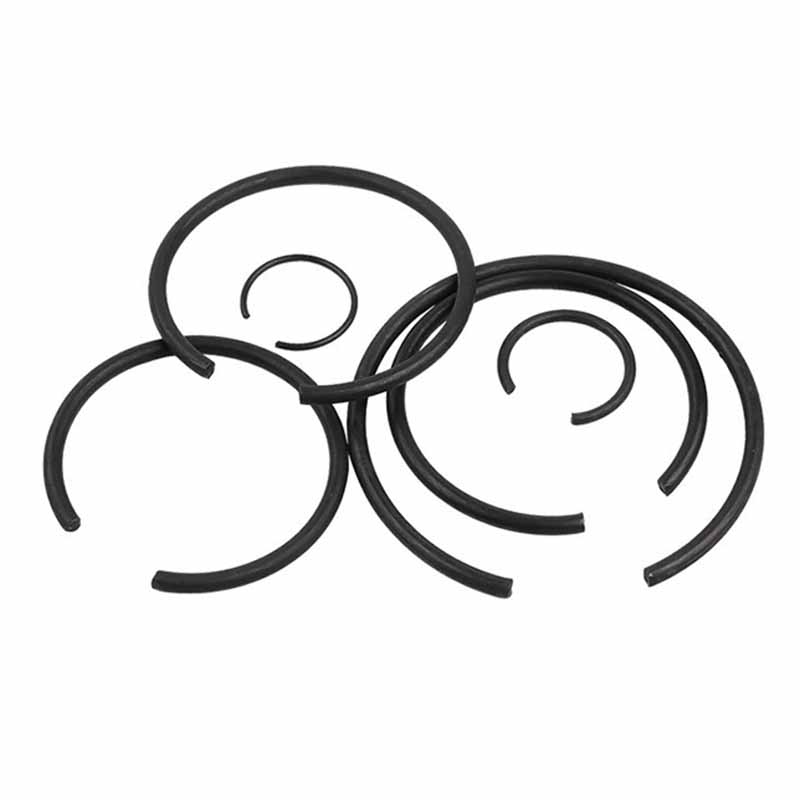
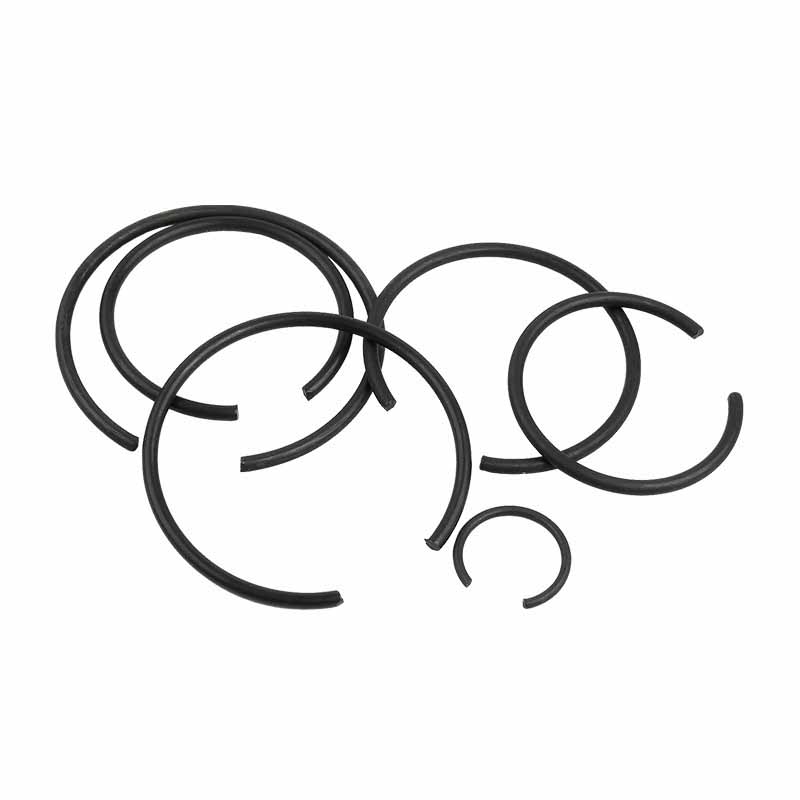
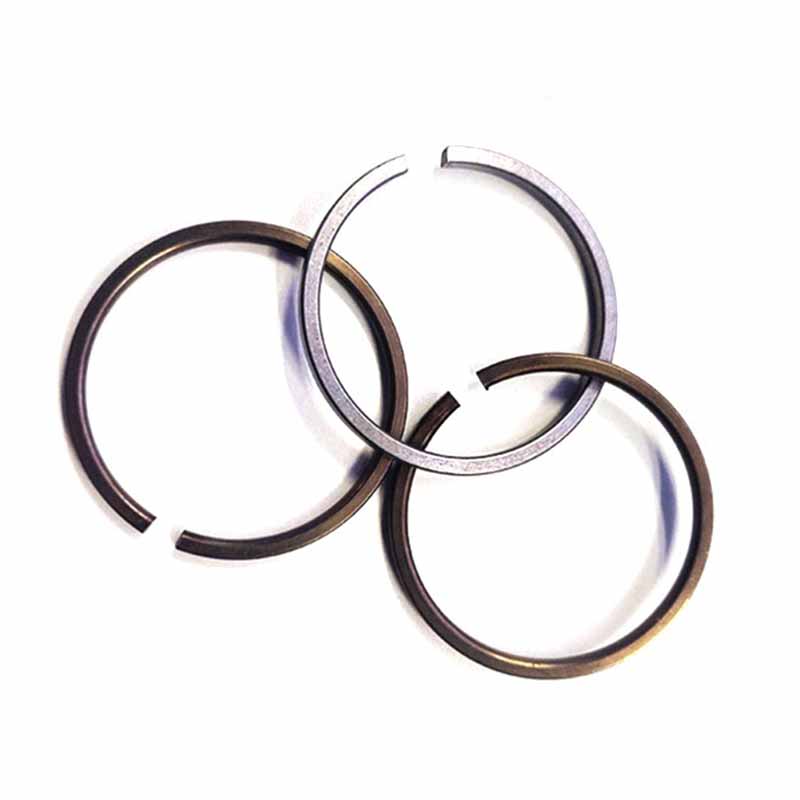
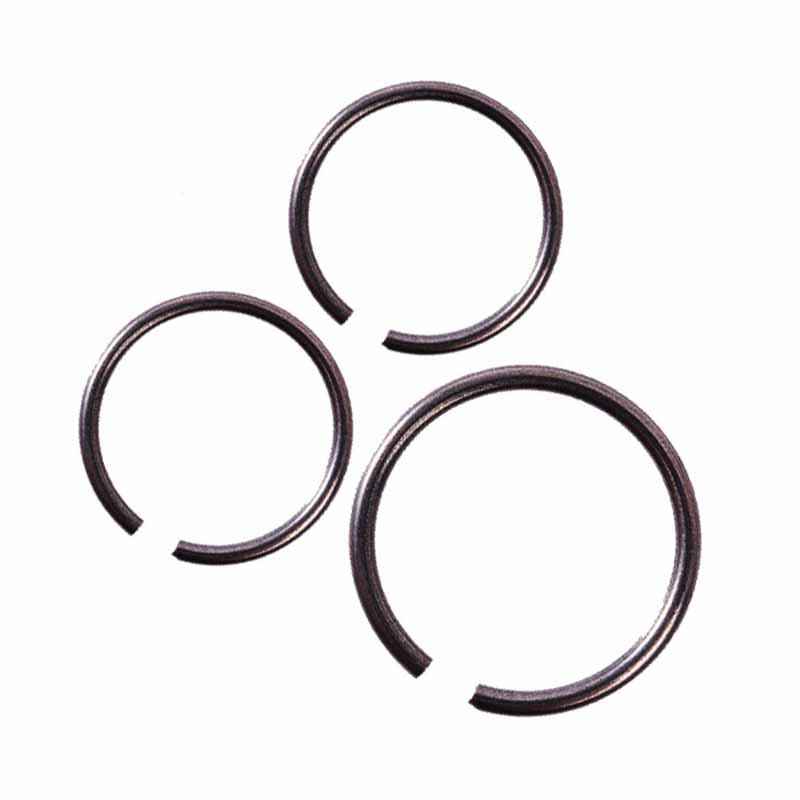
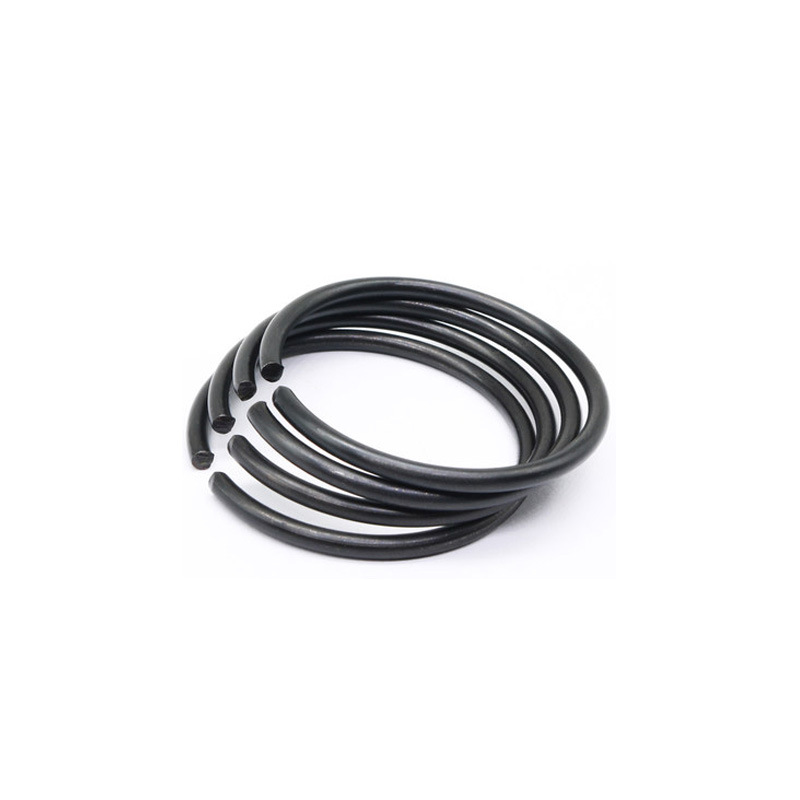
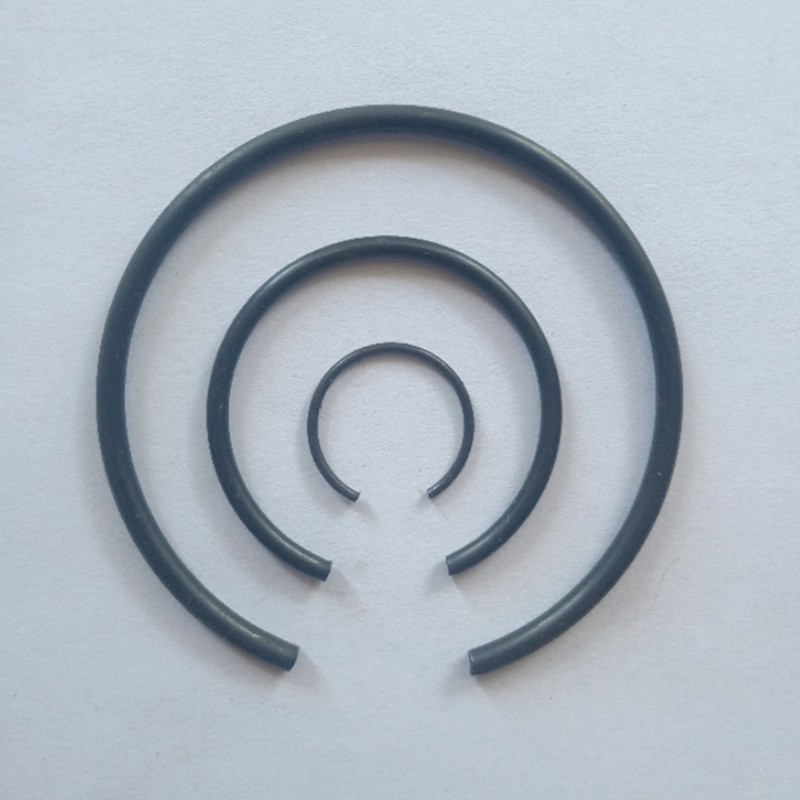
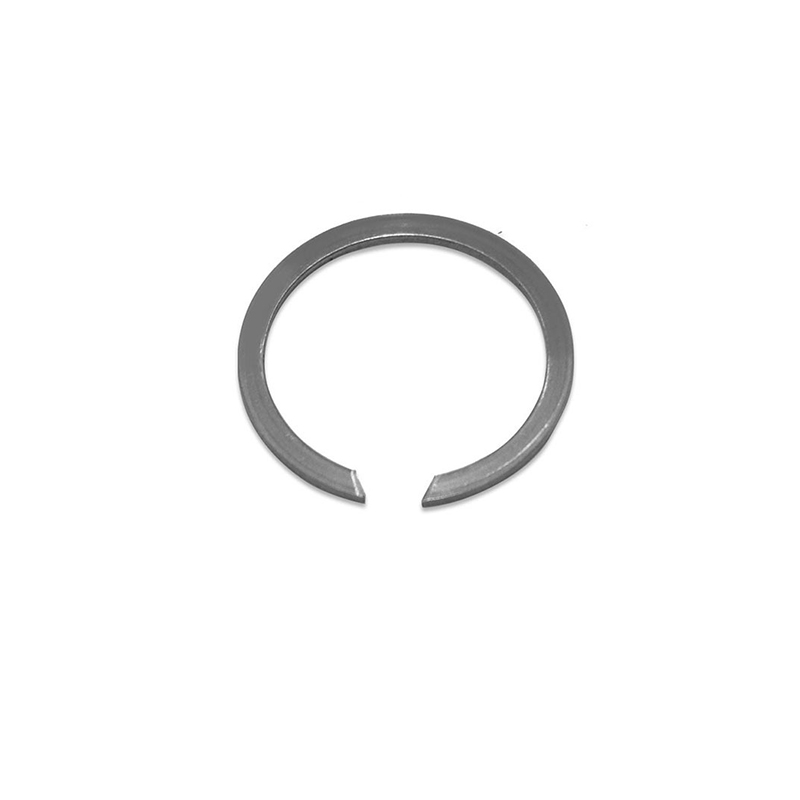
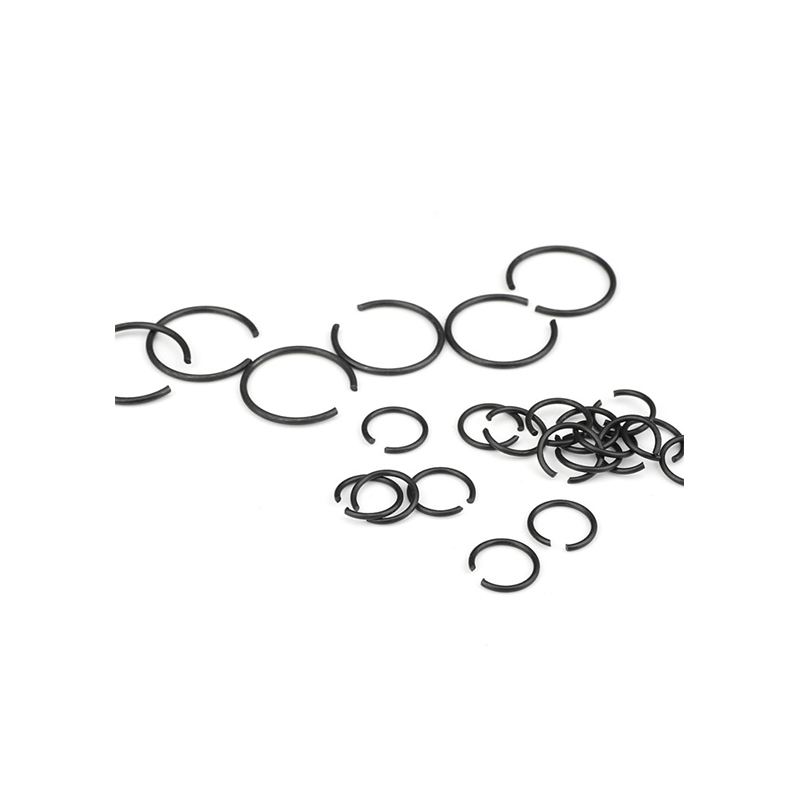
Round Wire Snap Ring For Bore
The round wire snap ring for bore is installed in the round hole, and is a fastener that fixes the axial movement of the parts. It is made of corrosion-resistant strong steel or alloy. Xiaoguo® pays attention to environmental protection,recycled 12 tons of metal scraps last year through its green manufacturing initiative.
Model:DIN 471-1981
Send Inquiry
Product Description
Round wire snap ring for bore is made of carbon steel or stainless steel (such as SAE 1074/1095 or AISI 302/316), which are not easy to rust and have good pressure resistance, can withstand greater pressure and are not easy to break during the tightening process. They are heat-treated to be elastic and can remain tightened even in extremely hot or cold environments. Stainless steel is more suitable in environments with more moisture or chemicals, such as marine components or medical equipment, which often use moisture or cleaning agents. They are tough enough to withstand daily wear and tear, but flexible enough to snap into the groove without breaking. In harsh environmental conditions, stainless steel is more suitable.
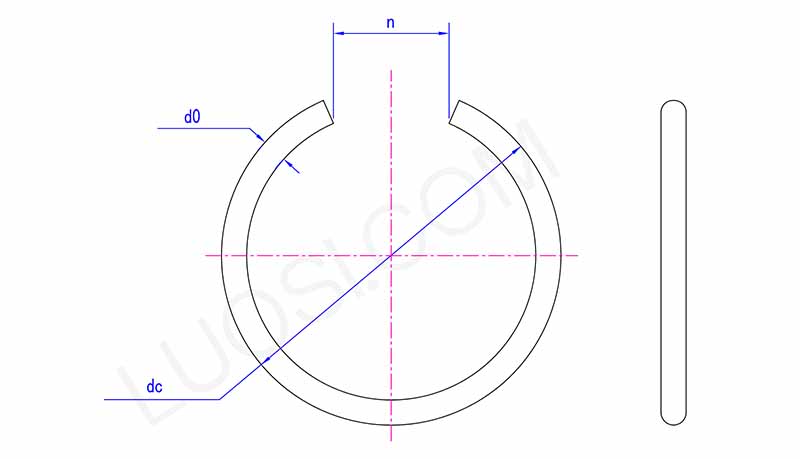
|
Mon |
Φ26 |
Φ28 |
Φ30 |
Φ32 |
Φ35 |
Φ38 |
Φ40 |
Φ42 |
Φ45 |
Φ48 |
Φ50 |
|
d0 |
2 | 2 | 2 | 2.5 | 2.5 | 2.5 | 2.5 | 2.5 | 2.5 | 2.5 | 2.5 |
|
dc max |
28.8 | 30.8 | 32.8 | 35.5 | 38.5 | 41.5 | 43.5 | 45.8 | 48.8 | 51.8 | 53.8 |
|
dc min |
28.3 | 30.3 | 32.3 | 34.9 | 37.9 | 40.9 | 42.9 | 45 | 48 | 51 | 53 |
|
n |
10 | 10 | 10 | 12 | 12 | 12 | 12 | 16 | 16 | 16 | 16 |
Application
Round wire snap ring for bore is used in transmissions, pumps, bearings and hydraulic systems to secure components such as shafts, pistons and rotors. Their relatively small size makes them ideal for tight spaces such as aerospace, automotive transmissions and robotics where a strong yet lightweight way of securing components is required. They help prevent axial movement of components in rotating devices.
Measuring dimensions
Q: How do I determine the correct size and tolerance of a round wire snap ring for bore for a specific application?
A: To select the right round wire snap ring size, you need to measure the hole diameter, groove diameter (width and depth) and the axial or radial load it needs to withstand. The snap rings produced by Xiaoguo® factory meet the quality standards. The standard size of the outer snap ring follows the DIN 471 standard, and the standard size of the inner snap ring follows the DIN 472 standard, with a tolerance of approximately ±0.05 mm.
Simply provide us with your hole diameter, groove width and depth, and operating temperature, and we can match it to our catalog specifications. If your application is not standard, we can also customize it.
Make sure the free diameter (when not installed) and the tension when installed of the snap ring meet the mechanical stress limits of the component. This prevents it from bending or breaking under moving or changing loads.
Product usage instructions
Using Round Wire Snap Ring For Bore is straightforward, but you need to prepare the right tools first. Typically, you’ll need a pair of snap ring pliers—make sure they match the size of the snap ring. Start by checking the bore (the hole) where you’ll install the ring; clean any debris or burrs to ensure a smooth fit. Next, use the snap ring pliers to squeeze the ends of the ring together. Apply even pressure so the ring shrinks slightly, just enough to fit into the bore. Once the ring is small enough, carefully insert it into the pre-machined groove inside the bore. Slowly release the pliers, letting the ring expand back to its original shape. Double-check that the ring sits fully in the groove—if it’s not seated properly, it won’t hold the component in place. When removing the ring, repeat the process: use the pliers to squeeze the ring, pull it out of the groove, and then take it out of the bore. Remember to choose the correct size of snap ring for your bore; a mismatched size will either not fit or won’t provide a secure hold.
Product Packaging
The packaging of this snap ring is designed for practicality and protection. Each pack of Round Wire Snap Ring For Bore usually comes in a transparent plastic bag or a small cardboard box. Both packaging types are sealed tightly to keep dust, moisture, and dirt out, which prevents the ring from rusting or getting damaged. The packaging has clear labels with basic information: the size of the snap ring, the quantity in the pack, and the material it’s made of. This makes it easy to find the right pack when you’re shopping or organizing your tools. For single-size packs, the rings are neatly placed to avoid tangling or bending. If the pack has multiple sizes, they’re often separated by small dividers inside. Most plastic bags are resealable—if you don’t use all the rings at once, you can seal the bag back up for storage. Cardboard boxes are stackable, saving space in your garage or toolbox. The packaging is simple but functional, making it easy for both retailers to display and users to store and access the snap rings.
Hot Tags: Round Wire Snap Ring For Bore, China, Manufacturer, Supplier, Factory
Related Category
Send Inquiry
Please Feel free to give your inquiry in the form below. We will reply you in 24 hours.