
- English
- Español
- Português
- русский
- Français
- 日本語
- Deutsch
- tiếng Việt
- Italiano
- Nederlands
- ภาษาไทย
- Polski
- 한국어
- Svenska
- magyar
- Malay
- বাংলা ভাষার
- Dansk
- Suomi
- हिन्दी
- Pilipino
- Türkçe
- Gaeilge
- العربية
- Indonesia
- Norsk
- تمل
- český
- ελληνικά
- український
- Javanese
- فارسی
- தமிழ்
- తెలుగు
- नेपाली
- Burmese
- български
- ລາວ
- Latine
- Қазақша
- Euskal
- Azərbaycan
- Slovenský jazyk
- Македонски
- Lietuvos
- Eesti Keel
- Română
- Slovenski
- मराठी
- Srpski језик

China DIN 6926 Non Metallic Insert Self Locking Hexagon Nuts Manufacturer, Supplier, Factory
DIN 6926 Non-Metallic Insert Self-Locking Hexagon Nuts: High-Performance Locking Fasteners
DIN 6926 specifies the requirements for non-metallic insert self-locking hexagon nuts, designed for applications where vibration resistance and secure fastening are critical. These nuts feature a built-in non-metallic locking element that creates consistent friction and prevents loosening under dynamic loads. Ideal for automotive, aerospace, machinery, and structural assemblies, they ensure reliability in demanding environments without requiring additional locking devices.
Key Features and Benefits
- Self-locking capability through a non-metallic insert (typically nylon or polymer)
- Reusability: Can be reused multiple times without significant loss of locking performance
- High vibration resistance: Effective in preventing loosening under cyclic loads
- Corrosion resistance: Available in various coatings and materials for different environmental conditions
- Temperature stability: Suitable for a wide range of operating temperatures
- Easy identification: Often color-coded or marked for quick recognition
Technical Specifications
The following table outlines the standard dimensions and mechanical properties according to DIN 6926:
| Nut Size (M) | Width Across Flats (mm) | Height (mm) | Thread Pitch (mm) | Proof Load (MPa) | Material Grade |
|---|---|---|---|---|---|
| M5 | 8 | 5 | 0.8 | 580 | 8 |
| M6 | 10 | 6 | 1.0 | 600 | 8 |
| M8 | 13 | 8 | 1.25 | 640 | 8 |
| M10 | 17 | 10 | 1.5 | 700 | 10 |
| M12 | 19 | 12 | 1.75 | 720 | 10 |
Material and Coating Options
DIN 6926 nuts are available in various materials and surface treatments to meet specific application needs. Common options include:
- Steel Grades: Carbon steel (grade 8, 10, 12), alloy steel
- Stainless Steel: A2 (304), A4 (316) for enhanced corrosion resistance
- Coatings: Zinc-plated, galvanized, dichromate, or phosphate coatings
- Non-Metallic Insert: Typically nylon or other engineering polymers, ensuring consistent locking force
Performance Characteristics
The self-locking mechanism relies on the elastic deformation of the non-metallic insert, which applies radial pressure on the bolt thread. This design provides several performance advantages:
- Maintains clamping force under vibration and thermal cycling
- Reduces the need for lock washers or adhesives
- Ensures reliable performance in temperatures from -50°C to +120°C (depending on insert material)
- Complies with international standards for quality and safety
Application Guidelines
For optimal performance, follow these installation and usage recommendations:
- Ensure threads are clean and free from debris before assembly
- Use hand tools initially to avoid cross-threading
- Apply torque according to standard specifications; avoid over-tightening
- Inspect the non-metallic insert for damage before reuse
- Select the appropriate material and coating based on environmental exposure
Related Products


Hot Products
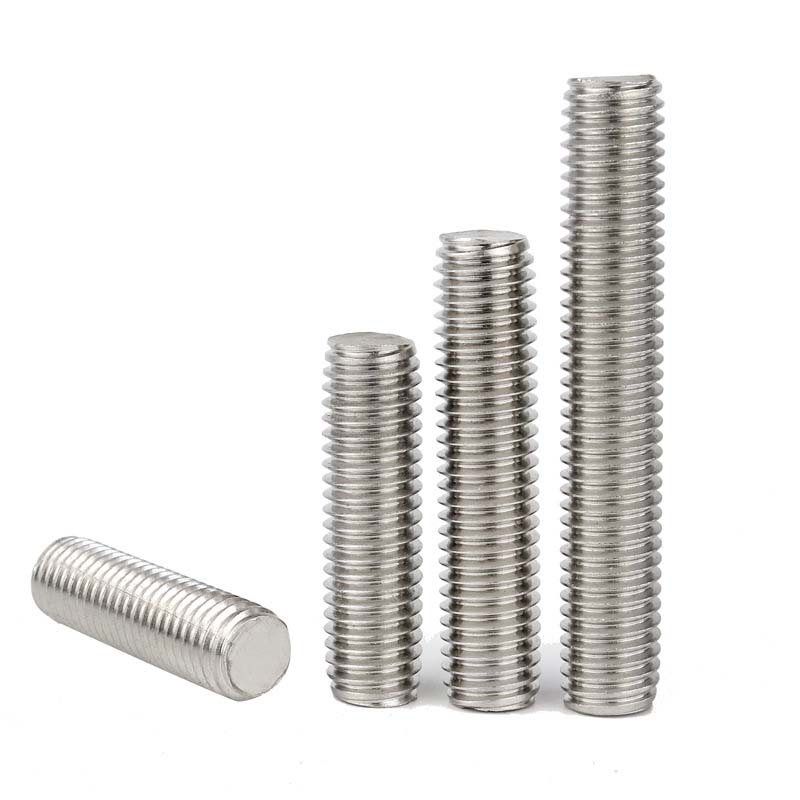
Continuous Thread Studs Coarse Teeth
Continuous thread studs coarse teeth is suitable for projects that require firm and quick connections. These stud threads run through and have thick teeth, making it easy to screw in materials such as wood or thick metal. The inventory of Xiaoguo® factory is sufficient.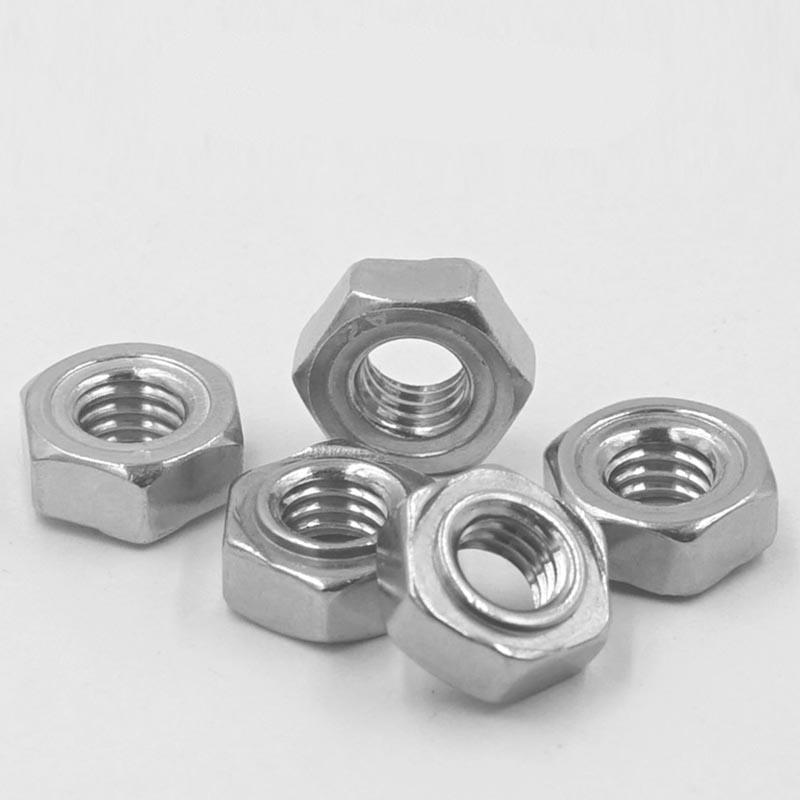
Hex Weld Nuts
Immediately purchase Xiaoguo® Hex Weld Nuts. These nuts feature three evenly distributed welding protrusions at the bottom. The current is concentrated, the weld core is stable, and the nuts will never loosen after welding. This effectively prevents the problem of nut deviation during the welding process.
Large Hexagon Flange Nut
Large hexagon flange nuts are made of steel, strong and durable, and can withstand high loads. Xiaoguo® is a professional fastener manufacturer, we produce high-quality, strong fasteners.
Large Four-Jaw Nut
Welcome to Baoding Xiaoguo Intelligent Equipment Co., LTD.,to wholesale Large four-jaw nut, every request from customers is being replied within 24 hours. Xiaoguo is the professional manufacturer, we would like to provide you high quality Large four-jaw nut and we will offer you the best after-sale service and timely delivery.
Ferry Bolt
What should we do if the bolts in a high-temperature working environment become soft? The Xiaoguo® Ferry bolt is made of heat-resistant alloy steel with a Dacromet coating, which can withstand a continuous temperature of 300°C. Its service life can be extended by three times in specific high-temperature working environments. If you are interested, we can provide a test report.
Hexagon Head Bolts With Wire Holes
The wire hole of the hexagon head bolts with wire holes can be used to pass a fixing wire or a locking device. Arrange multiple such nuts and pass the steel wire through the wire hole to achieve a better anti-loosening effect.Xiaoguo® can ship these regular sizes quickly, saving you a lot of waiting time. If you need other sizes, we can also accept customization. Looking forward to your contact.
- Related Blog
- Reviews