- English
- Español
- Português
- русский
- Français
- 日本語
- Deutsch
- tiếng Việt
- Italiano
- Nederlands
- ภาษาไทย
- Polski
- 한국어
- Svenska
- magyar
- Malay
- বাংলা ভাষার
- Dansk
- Suomi
- हिन्दी
- Pilipino
- Türkçe
- Gaeilge
- العربية
- Indonesia
- Norsk
- تمل
- český
- ελληνικά
- український
- Javanese
- فارسی
- தமிழ்
- తెలుగు
- नेपाली
- Burmese
- български
- ລາວ
- Latine
- Қазақша
- Euskal
- Azərbaycan
- Slovenský jazyk
- Македонски
- Lietuvos
- Eesti Keel
- Română
- Slovenski
- मराठी
- Srpski језик

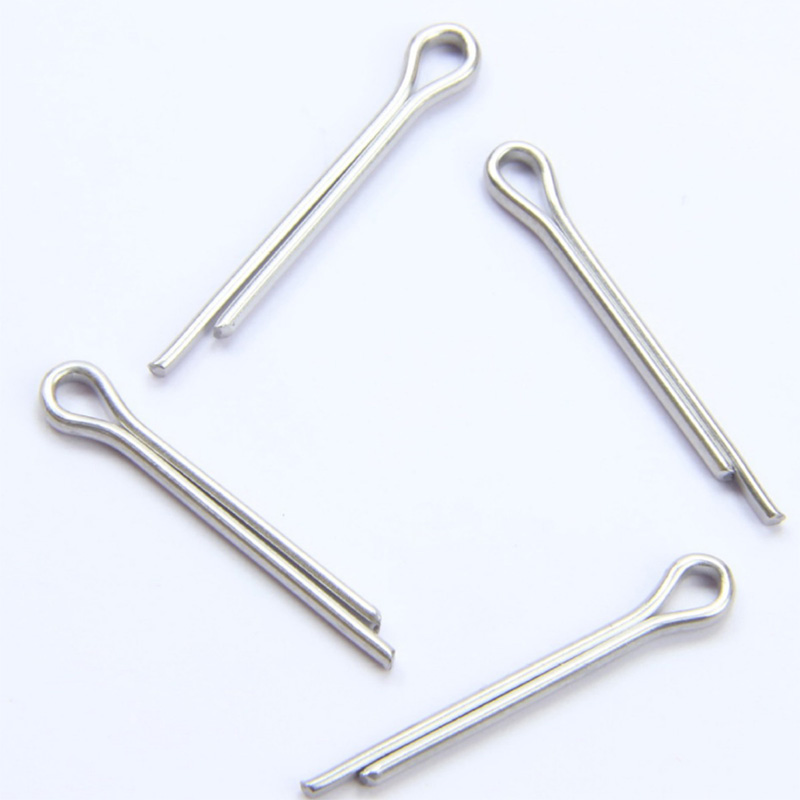

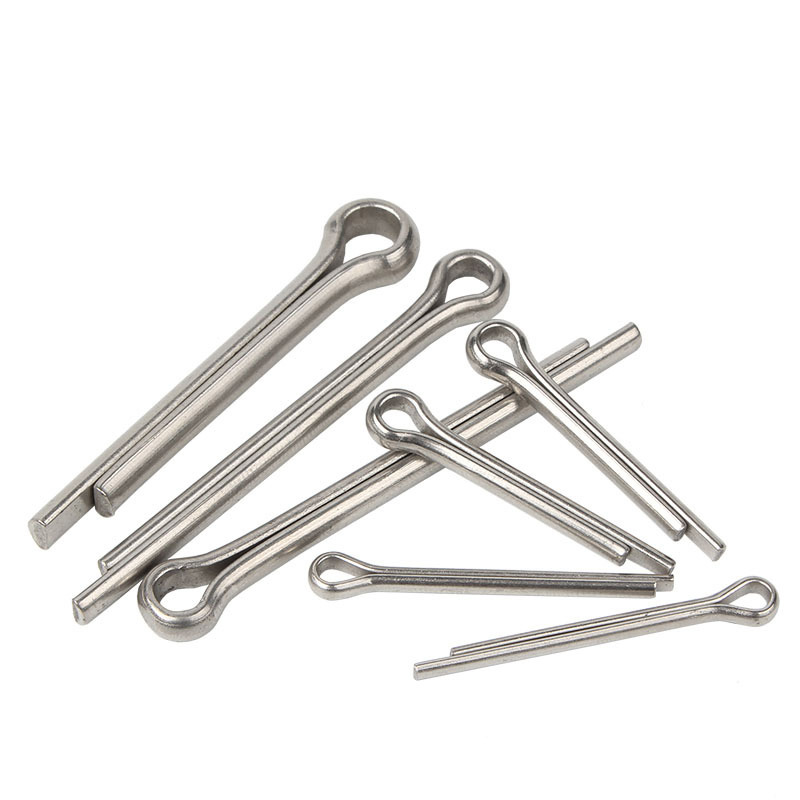
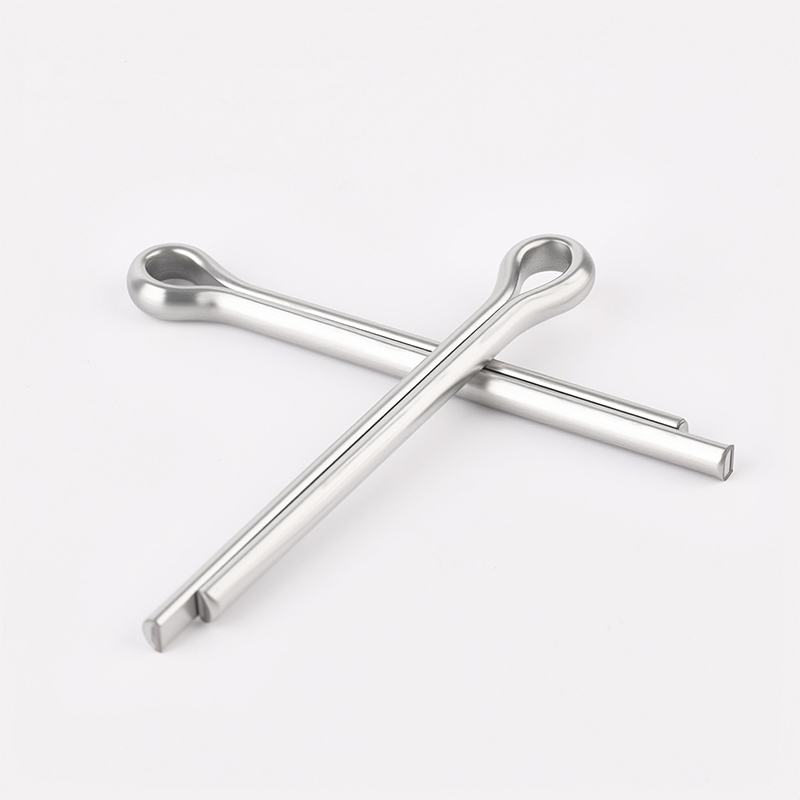
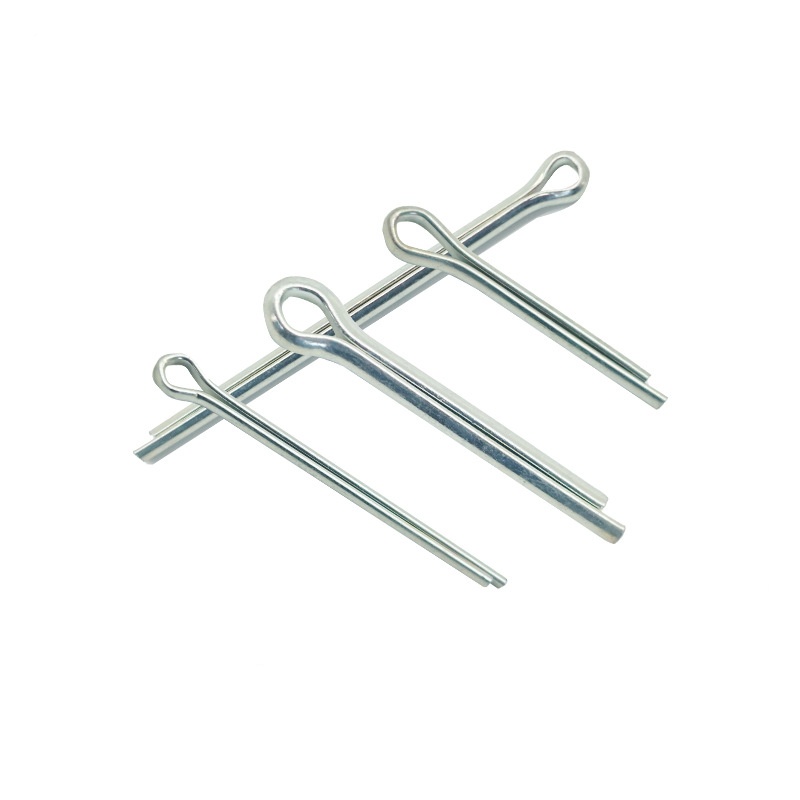
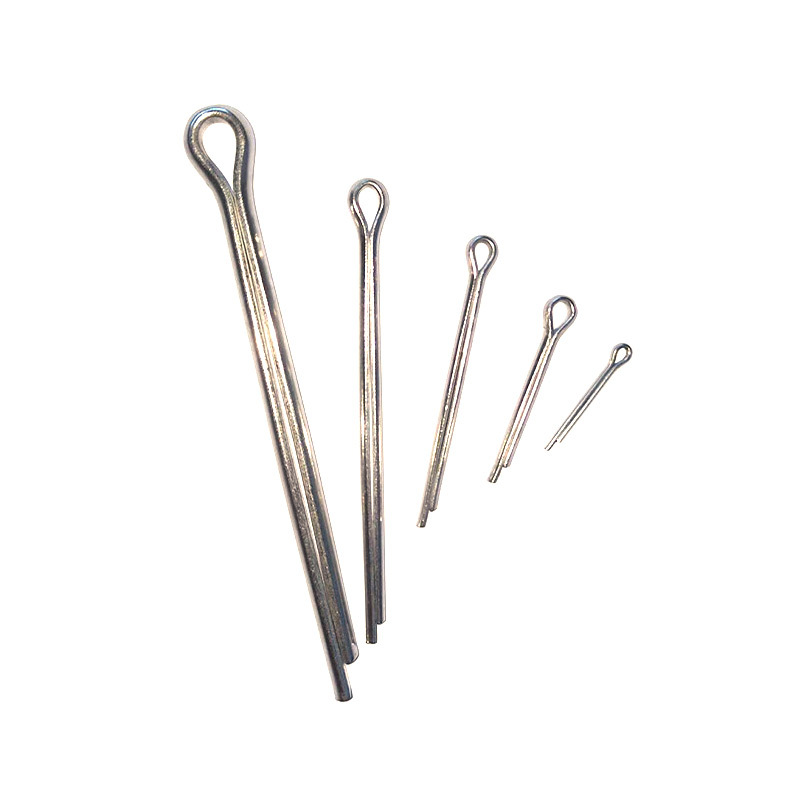
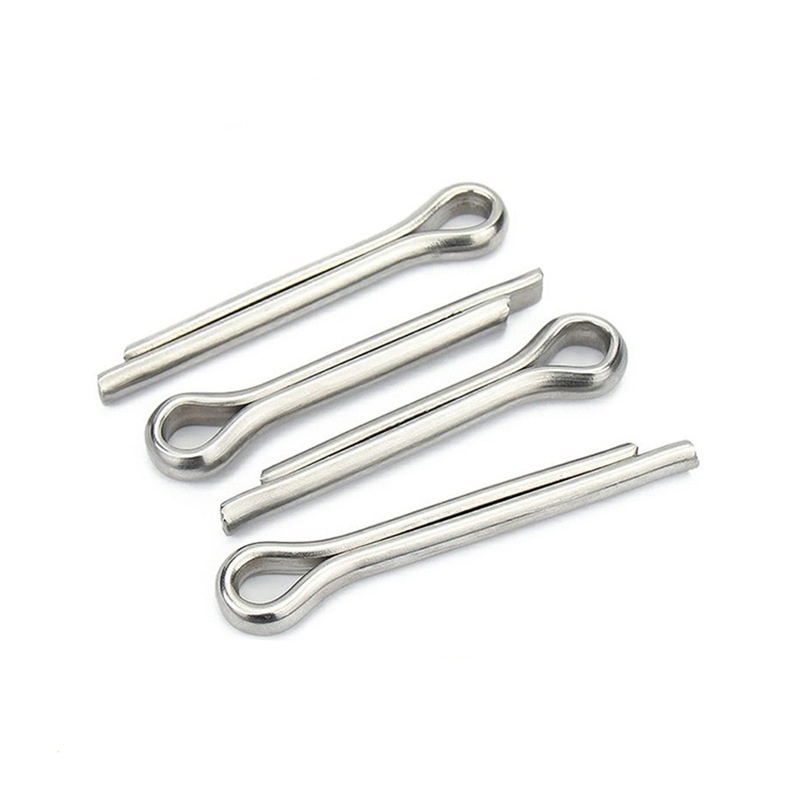
Positively Retained Split Pin
Positively Retained split pin is a type of mechanical fastener that uses mechanical interference or a self-locking mechanism to ensure that the connected parts will not come loose accidentally under vibration or stress.Xiaoguo's positive fixed cotter pins are elastic and corrosion-resistant, so you can choose them with confidence.
Send Inquiry
Product Description
Product Material
Positively Retained split pin come in different materials for different jobs. The most common type is stainless steel. Regular stainless steel split pins work fine for most indoor and basic outdoor use. If you’re near the ocean or working with chemicals, go for marine-grade stainless steel split pins—they hold up better against saltwater.
We also have carbon steel split pins, most of which come with a zinc or nickel coating. These are a budget-friendly pick for regular mechanical work or car repairs.
For electrical jobs or marine setups, brass split pins work well ‘cause they resist corrosion nicely. There are also galvanized split pins with a zinc coating that helps prevent rust in outdoor or damp conditions.
Basically, whatever job you're doing - from factory equipment to home projects - there's a split pin material that'll work for you. Just match the material to your specific needs and environment.
Product surface treatment
Positively Retained split pin get different surface treatments mainly to help them resist rust. The most common coating is zinc plating. It’s cheap, and it adds a protective layer to the split pin—good for regular use, like on cars or around the house.
Another option is black oxide. This makes the split pin dark-colored, helps it hold up a bit better against wear, and it doesn’t reflect light.
For stainless steel split pins, we usually use passivation. This isn't a coating; it's a process that makes the steel itself more rust-resistant, which is useful near saltwater or chemicals.
You might also see nickel-plated split pins for a smoother finish, or hot-dip galvanized ones for really tough outdoor jobs. The main thing is that these treatments all help the split pin last longer, but they don't stop it from being bent during installation. Just pick the treatment that matches where you'll be using the split pin.
Q&A Session
Question: Do you have any corrosion-resistant coatings for your Positively Retained split pin?
Answer: Yeah, we do. Besides the stainless steel ones, our carbon steel pin can be electro-galvanized or hot-dip galvanized. These coatings help keep rust away better. That way, the split pins work fine in humid places or outdoors too.
Product Parameters
| d | 0.6 | 0.8 | 1 | 1.2 | 1.5 | 2 | 2.5 | 3.2 | 4 | 5 | 6.3 | 8 | 10 | 13 | 16 | 20 | |
| d | max | 0.5 | 0.7 | 0.9 | 1 | 1.4 | 1.8 | 2.3 | 2.9 | 3.7 | 4.6 | 5.9 | 7.5 | 9.5 | 12.4 | 15.4 | 19.3 |
| min | 0.4 | 0.6 | 0.8 | 0.9 | 1.3 | 1.7 | 2.1 | 2.7 | 3.5 | 4.4 | 5.7 | 7.3 | 9.3 | 12.1 | 15.1 | 19 | |
| a | max | 1.6 | 1.6 | 1.6 | 2.5 | 2.5 | 2.5 | 2.5 | 3.2 | 4 | 4 | 4 | 4 | 6.3 | 6.3 | 6.3 | 6.3 |
| min | 0.8 | 0.8 | 0.8 | 1.25 | 1.25 | 1.25 | 1.25 | 1.6 | 2 | 2 | 2 | 2 | 3.15 | 3.15 | 3.15 | 3.15 | |
| b≈ | 2 | 2.4 | 3 | 3 | 3.2 | 4 | 5 | 6.4 | 8 | 10 | 12.6 | 16 | 20 | 26 | 32 | 40 | |
| C | max | 1 | 1.4 | 1.8 | 2 | 2.8 | 3.6 | 4.6 | 5.8 | 7.4 | 9.2 | 11.8 | 15 | 19 | 24.8 | 30.8 | 38.5 |
| min | 0.9 | 1.2 | 1.6 | 1.7 | 2.4 | 3.2 | 4 | 5.1 | 6.5 | 8 | 10.3 | 13.1 | 16.6 | 21.7 | 27 | 33.8 | |
Hot Tags: Positively Retained Split Pin
Related Category
Send Inquiry
Please Feel free to give your inquiry in the form below. We will reply you in 24 hours.