
- English
- Español
- Português
- русский
- Français
- 日本語
- Deutsch
- tiếng Việt
- Italiano
- Nederlands
- ภาษาไทย
- Polski
- 한국어
- Svenska
- magyar
- Malay
- বাংলা ভাষার
- Dansk
- Suomi
- हिन्दी
- Pilipino
- Türkçe
- Gaeilge
- العربية
- Indonesia
- Norsk
- تمل
- český
- ελληνικά
- український
- Javanese
- فارسی
- தமிழ்
- తెలుగు
- नेपाली
- Burmese
- български
- ລາວ
- Latine
- Қазақша
- Euskal
- Azərbaycan
- Slovenský jazyk
- Македонски
- Lietuvos
- Eesti Keel
- Română
- Slovenski
- मराठी
- Srpski језик

What Makes a Countersunk Bolt Essential for Flush and Secure Fastening?
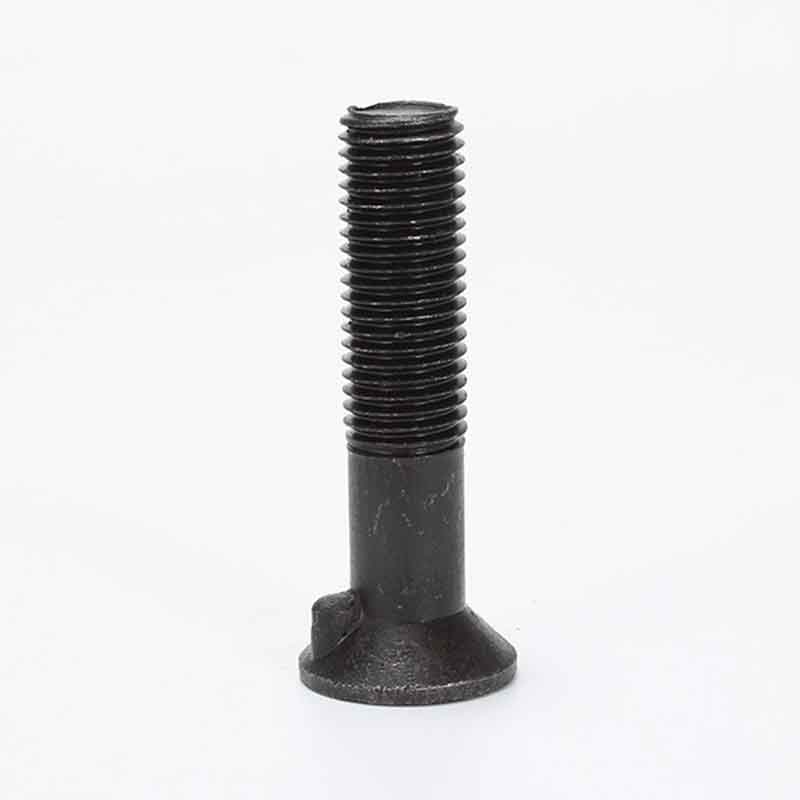
Countersunk Bolt solutions play a critical role in modern mechanical fastening, especially where a smooth, flush surface is required without sacrificing structural strength. From industrial machinery to precision equipment manufacturing, countersunk bolts are widely adopted for both functional and aesthetic reasons. Companies such as Baoding Xiaoguo Intelligent Equipment Co.,ltd continuously optimize countersunk bolt designs to meet high-load, high-precision engineering demands.
Article Abstract
This article provides a comprehensive analysis of countersunk bolts, covering their structure, working principles, types, advantages, disadvantages, material options, standards, and real-world applications. It also compares countersunk bolts with other fasteners, offers professional selection advice, and answers common technical questions. The goal is to help engineers, buyers, and manufacturers make informed fastening decisions.
Table of Contents
- What Will This Guide Cover About Countersunk Bolts?
- What Is a Countersunk Bolt?
- Which Types of Countersunk Bolts Are Commonly Used?
- Why Choose a Countersunk Bolt?
- What Are the Limitations of Countersunk Bolts?
- Which Materials Are Best for Countersunk Bolts?
- Where Are Countersunk Bolts Most Effectively Used?
- Countersunk Bolt vs Other Fasteners: What’s the Difference?
- How Do You Select the Right Countersunk Bolt?
- Frequently Asked Questions About Countersunk Bolts
What Will This Guide Cover About Countersunk Bolts?
- Structural design and engineering logic
- Pros and cons in industrial use
- Material and surface treatment options
- Application-specific recommendations
- Professional FAQs for buyers and engineers
What Is a Countersunk Bolt?
A countersunk bolt is a fastener designed with a conical head that sits flush or below the surface of the material once installed. This design minimizes surface protrusion, improves safety, and enhances visual appeal. Manufacturers like Baoding Xiaoguo Intelligent Equipment Co.,ltd engineer countersunk bolts to meet strict dimensional tolerances and international standards.
Which Types of Countersunk Bolts Are Commonly Used?
| Type | Head Angle | Typical Use |
|---|---|---|
| Flat Head Countersunk Bolt | 82° / 90° | Machinery, structural assemblies |
| Oval Head Countersunk Bolt | Raised profile | Decorative and visible installations |
| Hex Socket Countersunk Bolt | Internal drive | High-torque precision fastening |
Why Choose a Countersunk Bolt?
- Flush surface improves safety and ergonomics
- Enhanced aesthetic appearance
- Reduced snagging and wear
- High load distribution when properly seated
- Widely compatible with automated assembly lines
In industrial systems designed by Baoding Xiaoguo Intelligent Equipment Co.,ltd, countersunk bolts are often selected to ensure compact layouts and long-term operational stability.
What Are the Limitations of Countersunk Bolts?
- Requires precise countersunk holes
- Improper installation may reduce holding strength
- Less suitable for soft or thin materials
- More machining steps compared to standard bolts
Which Materials Are Best for Countersunk Bolts?
| Material | Strength | Corrosion Resistance |
|---|---|---|
| Carbon Steel | High | Moderate (with coating) |
| Stainless Steel | Medium | Excellent |
| Alloy Steel | Very High | Depends on treatment |
Where Are Countersunk Bolts Most Effectively Used?
- Industrial machinery and automation equipment
- Automotive and transportation systems
- Construction and architectural assemblies
- Electronics and enclosure manufacturing
Many turnkey solutions from Baoding Xiaoguo Intelligent Equipment Co.,ltd rely on countersunk bolts to achieve compact, vibration-resistant designs.
Countersunk Bolt vs Other Fasteners: What’s the Difference?
| Feature | Countersunk Bolt | Hex Bolt |
|---|---|---|
| Surface Finish | Flush | Protruding |
| Safety | High | Medium |
| Aesthetic | Excellent | Functional |
How Do You Select the Right Countersunk Bolt?
- Determine load and torque requirements
- Confirm countersink angle compatibility
- Select appropriate material and coating
- Ensure compliance with ISO / DIN / ANSI standards
Professional engineering teams at Baoding Xiaoguo Intelligent Equipment Co.,ltd often assist clients in selecting optimized fastening solutions.
Frequently Asked Questions About Countersunk Bolts
Q: What is the main purpose of a countersunk bolt?
A: The primary purpose is to create a flush surface while maintaining strong mechanical fastening.
Q: Are countersunk bolts suitable for high-load applications?
A: Yes, when correctly installed in properly machined countersunk holes and made from suitable materials.
Q: Can countersunk bolts be reused?
A: Reuse is possible, but thread and head integrity must be carefully inspected.
Q: What standards govern countersunk bolts?
A: Common standards include ISO 10642, DIN 7991, and ANSI B18.3.
Q: Why do manufacturers prefer countersunk bolts in machinery?
A: They reduce interference, improve safety, and support compact structural designs.
References
- ISO Fastener Standards Documentation
- DIN Fastener Engineering Guidelines
- Industrial Fastening Design Manuals
Previous:Why Choose Metric Square Head Bolts?