- English
- Español
- Português
- русский
- Français
- 日本語
- Deutsch
- tiếng Việt
- Italiano
- Nederlands
- ภาษาไทย
- Polski
- 한국어
- Svenska
- magyar
- Malay
- বাংলা ভাষার
- Dansk
- Suomi
- हिन्दी
- Pilipino
- Türkçe
- Gaeilge
- العربية
- Indonesia
- Norsk
- تمل
- český
- ελληνικά
- український
- Javanese
- فارسی
- தமிழ்
- తెలుగు
- नेपाली
- Burmese
- български
- ລາວ
- Latine
- Қазақша
- Euskal
- Azərbaycan
- Slovenský jazyk
- Македонски
- Lietuvos
- Eesti Keel
- Română
- Slovenski
- मराठी
- Srpski језик

Home > Products > Self Drilling And Wood Screws > Hexagonal Head Self-Drilling Screws > Hexagon Flange Self Tapping Concrete Anchor Bolt
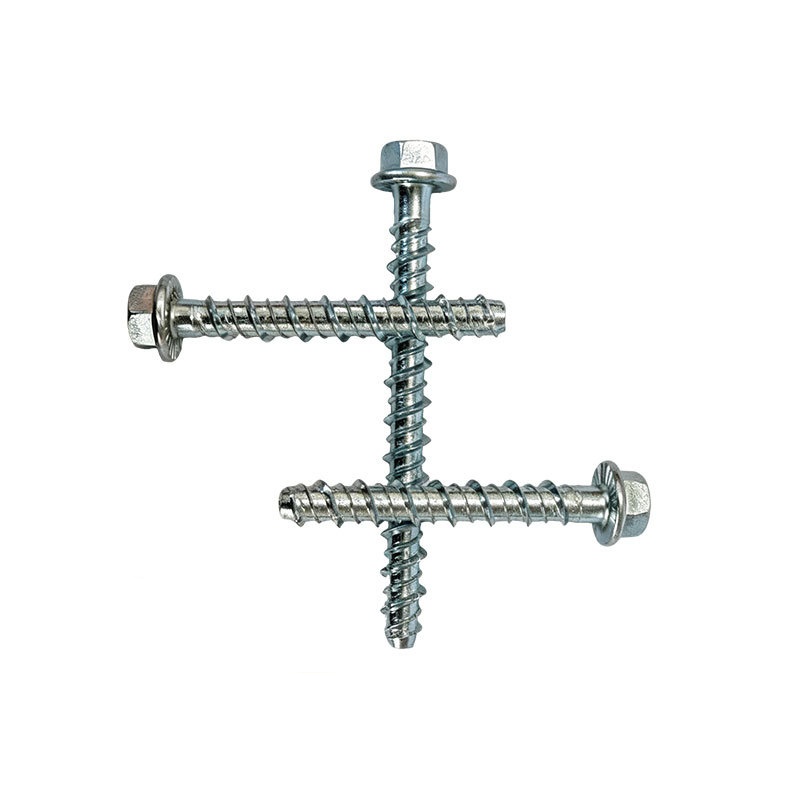
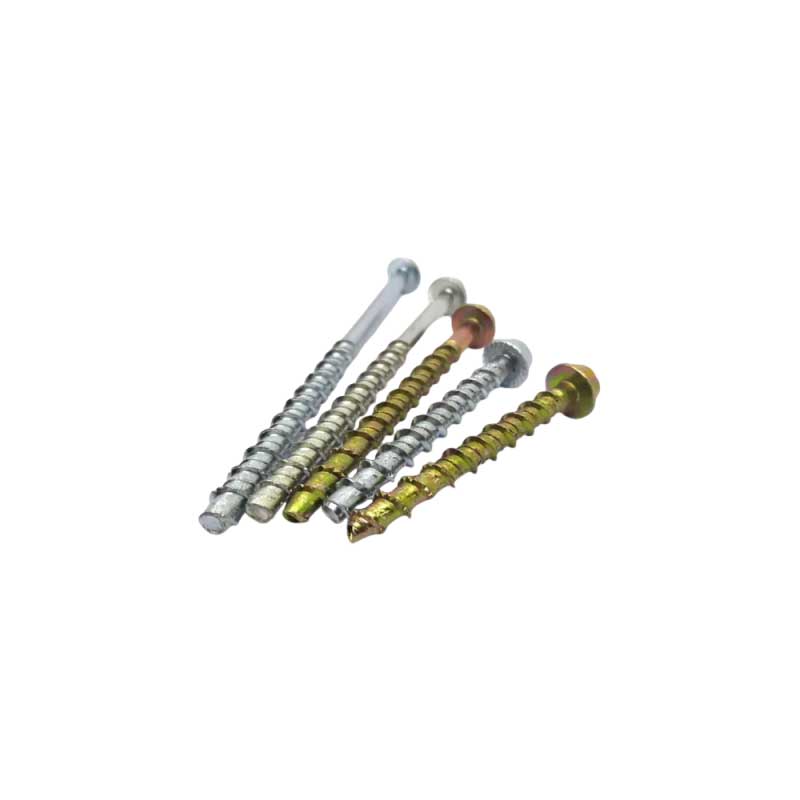
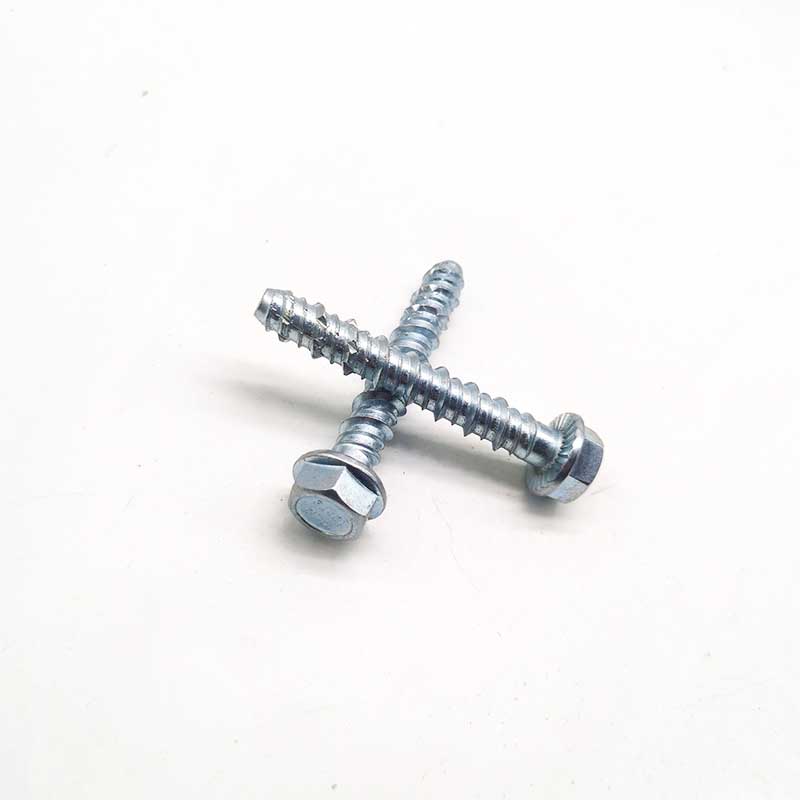
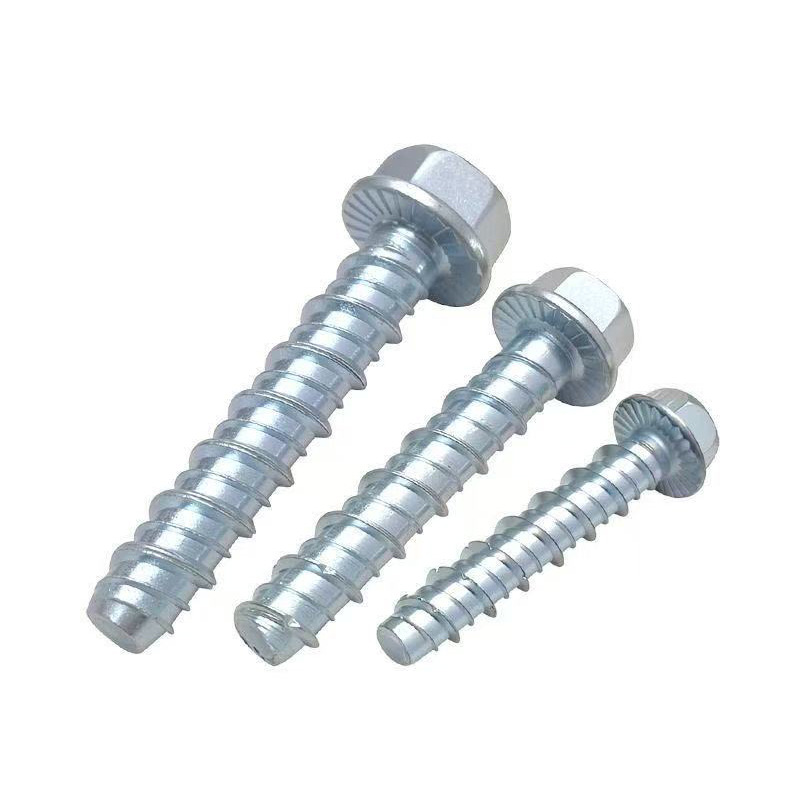
Hexagon Flange Self Tapping Concrete Anchor Bolt
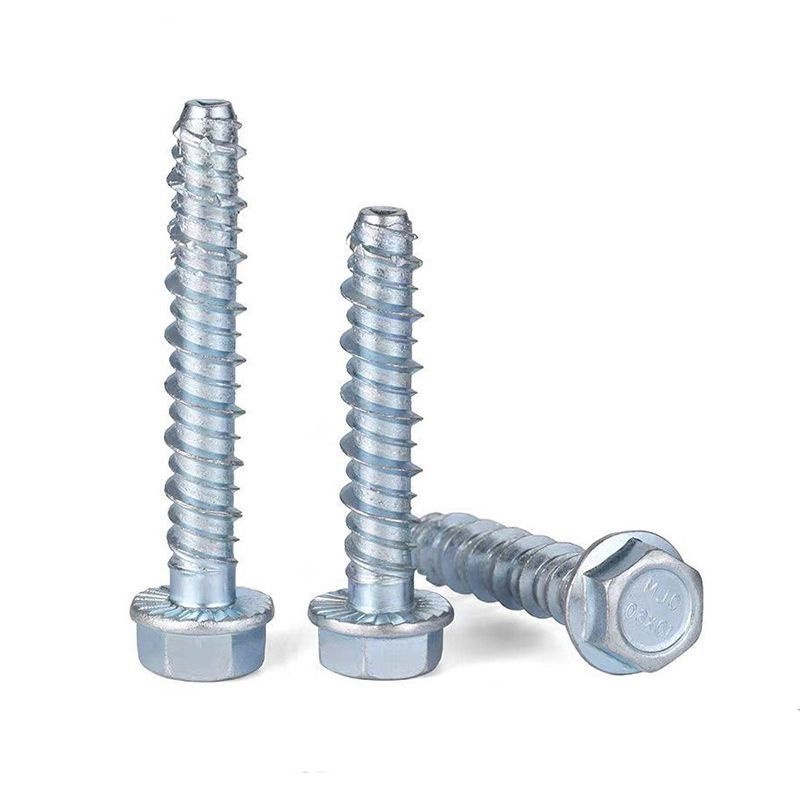
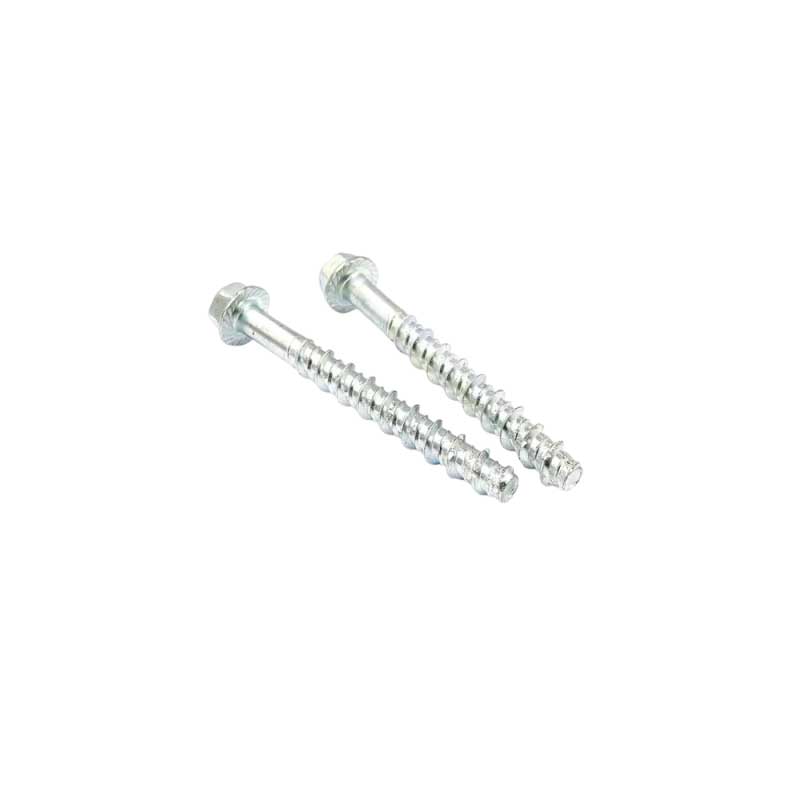
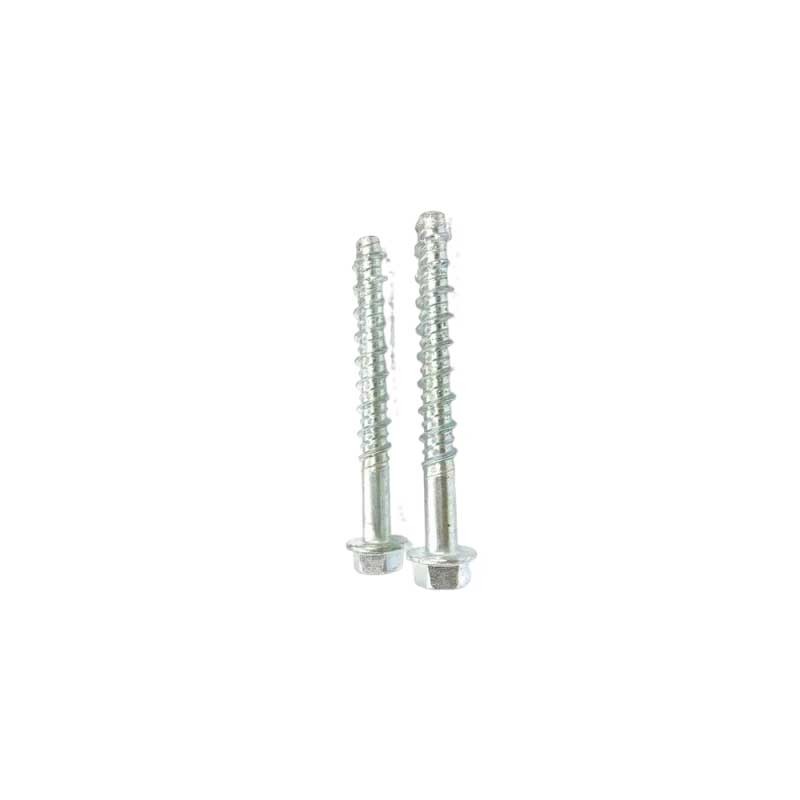
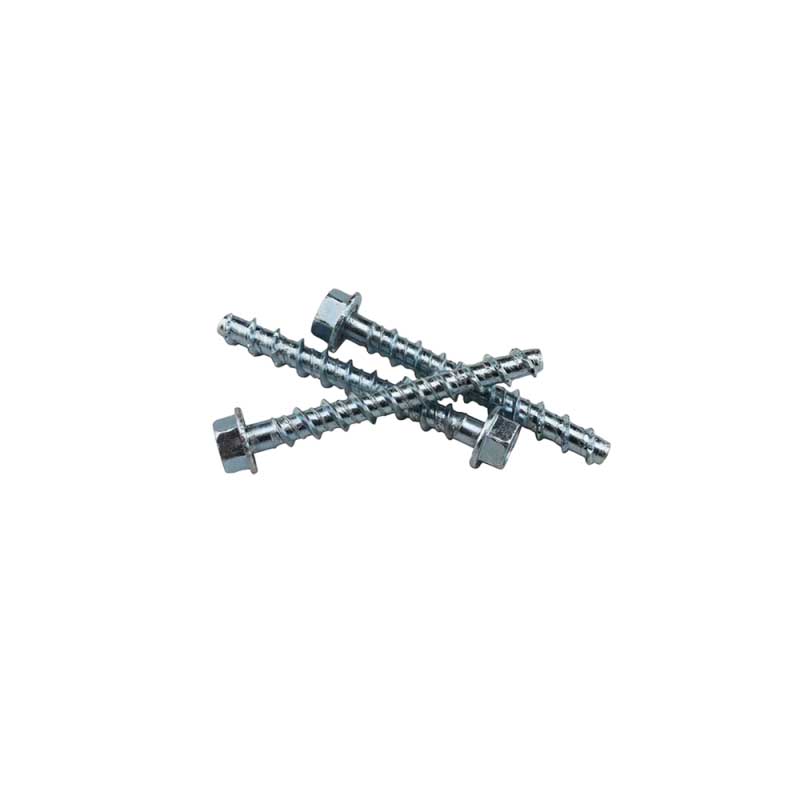
Xiaoguo Factory has years of experience in export trade.This Hexagon Flange Self Tapping Concrete Anchor Bolt covers sizes from M6 to M16. During construction, reasonable tightening torque must be controlled to avoid stripping threads and damaging the base material. Carbon and stainless steel materials adapt to different temperature conditions, ensuring a secure and reliable installation.
Send Inquiry
Product Description
The following is an introduction to the mechanical properties and installation parameters of the Hexagon Flange Self Tapping Concrete Anchor Bolt from China Xiaoguo®.
1.Recommended installation parameters
| Nominal diameter | Drill bit diameter (mm) | Drilling depth (mm) | Minimum substrate thickness (mm) | Minimum clearance (mm) | Minimum spacing (mm) | Installation torque (N·m) |
| M6 | 6.0 | 45 | 80 | 45 | 60 | 8-12 |
| M8 | 8.0 | 55 | 90 | 50 | 70 | 15-20 |
| M10 | 10.0 | 70 | 110 | 60 | 85 | 30-40 |
| M12 | 12.0 | 90 | 140 | 75 | 100 | 50-65 |
| M16 | 16.0 | 115 | 180 | 95 | 130 | 90-110 |
Drilling method: Utilize a hammer drill in conjunction with a hard alloy drill bit.
Cleaning requirements: Use an air pump or vacuum cleaner to blow at least 4 times. There should be no visible dust inside the hole.
Installation tools: Impact wrench or torque wrench, with a hexagonal socket.
2.Installation torque and tightening requirements
The installation torque should be kept within the recommended range.Insufficient torque will lead to inadequate anchoring; excessive torque may cause thread slippage or local damage to the concrete.
After installation, the bottom surface of the flange head should be in close contact with the fixed component, and the Hexagon Flange Self Tapping Concrete Anchor Bolt should not be turned by hand.
3.Environmental and temperature limitations
Applicable environmental temperature: Carbon steel, electro-galvanized coating: -40°C to +80°C
Stainless steel can withstand slightly higher temperatures up to ≤ 120°C.
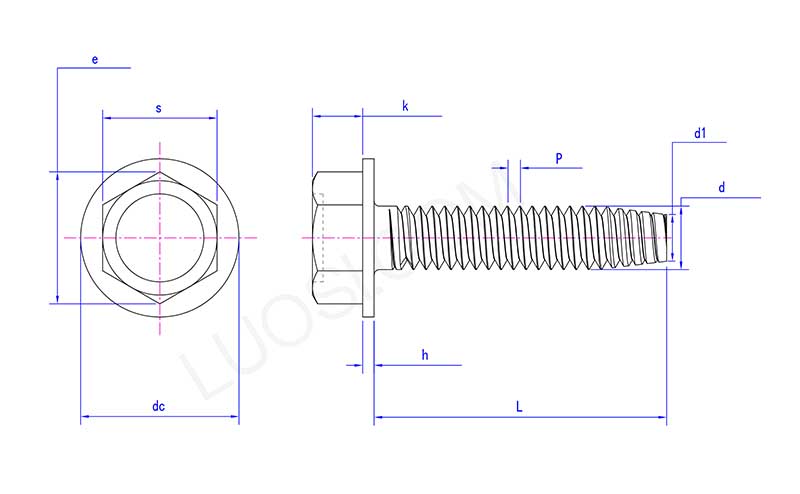
| Mon | #2 | #3 |
| P | 56 | 48 |
| s max | 0.125 | 0.125 |
| s min | 0.12 | 0.12 |
| e min | 0.134 | 0.134 |
| k max | 0.05 | 0.055 |
| k min | 0.04 | 0.044 |
| dc max | 0.166 | 0.177 |
| de min | 0.154 | 0.163 |
| h max | 0.016 | 0.016 |
| h min | 0.01 | 0.01 |
| d max | 0.086 | 0.099 |
| d min | 0.0813 | 0.0938 |
| d1 | 0.068 | 0.078 |
Common Errors and Solutions
The following are the 4 most common mistakes that are most likely to occur when installing Hexagon Flange Self Tapping Concrete Anchor Bolt , along with the corresponding solutions.
1.The diameter of the drill bit is incorrect.
Performance: A drill bit 1-2 mm larger in diameter than the anchor bolt was used. After the anchor bolt was screwed in, it loosened.
Reason: The hole is too large, and the thread cannot reach the inner wall of the hole, resulting in no effective engagement.
Correct approach: Use a drill bit with the same nominal diameter as the anchor bolt.
2.Insufficient hole cleaning or incomplete hole cleaning
Performance: The resistance varies greatly when拧ting in.
Reason: Dust accumulates inside the hole, preventing the thread from engaging.
The correct procedure: After drilling, blow air at least 4 times until the blown air is free of obvious dust. Alternatively, you can use a vacuum cleaner.
3.The drilling depth is insufficient.
Performance: The anchor bolt has been fully tightened, but the flange has not yet come into contact with the fixed component.
Reason: Insufficient hole depth.
The correct approach: The depth of the hole should be 5-10 mm greater than the effective embedment depth of the anchor bolt.
4.Tilt when tightening
Performance: The Hexagon Flange Self Tapping Concrete Anchor Bolt becomes skewed after being screwed in.
Reason: The drill bit is not perpendicular, or the angle of the wrench used during insertion is incorrect.
The correct approach: Keep the electric drill perpendicular to the substrate during drilling; initially, hold the anchor bolt in place with your hand when screwing it in.
Hot Tags: Hexagon Flange Self Tapping Concrete Anchor Bolt, China, Manufacturer, Supplier, Factory
Related Category
Slotted Tapping Screw
Cross Grooved Tapping Screws
Self Drilling Screws
Hexagonal Self-Drilling Screws With Groove
Hexagonal Head Self-Drilling Screws
Hexagonal And Square Groove Self-Drilling Screws
Quince-Grooved Self-Tapping Screws
Composite Grooved Self Tapping Screws
Triangle Locking Self-Extruding Screw
Automatic Quick Tooth Drilling Screws
Send Inquiry
Please Feel free to give your inquiry in the form below. We will reply you in 24 hours.