- English
- Español
- Português
- русский
- Français
- 日本語
- Deutsch
- tiếng Việt
- Italiano
- Nederlands
- ภาษาไทย
- Polski
- 한국어
- Svenska
- magyar
- Malay
- বাংলা ভাষার
- Dansk
- Suomi
- हिन्दी
- Pilipino
- Türkçe
- Gaeilge
- العربية
- Indonesia
- Norsk
- تمل
- český
- ελληνικά
- український
- Javanese
- فارسی
- தமிழ்
- తెలుగు
- नेपाली
- Burmese
- български
- ລາວ
- Latine
- Қазақша
- Euskal
- Azərbaycan
- Slovenský jazyk
- Македонски
- Lietuvos
- Eesti Keel
- Română
- Slovenski
- मराठी
- Srpski језик

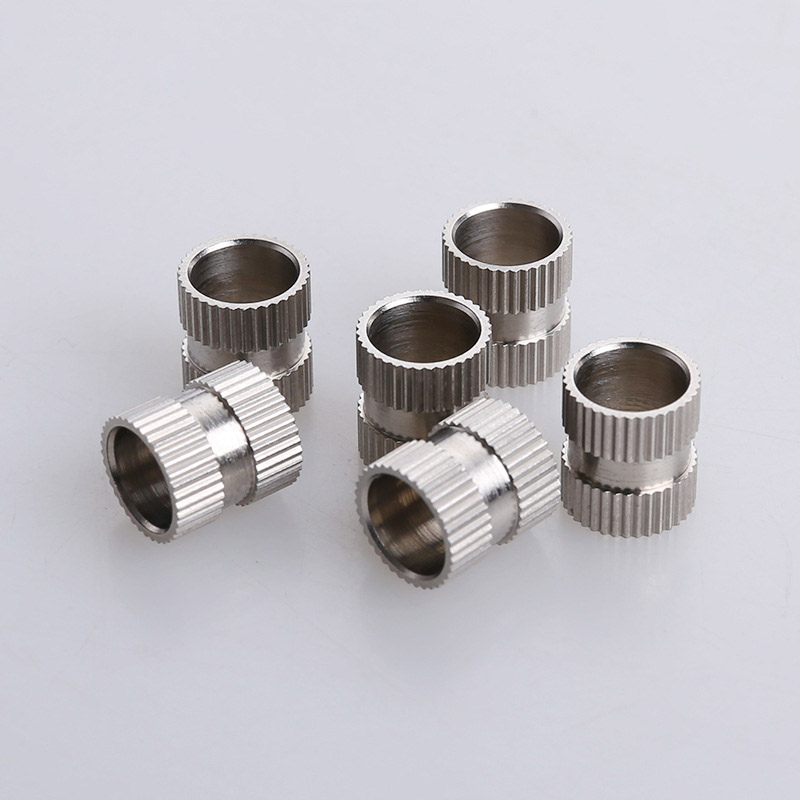
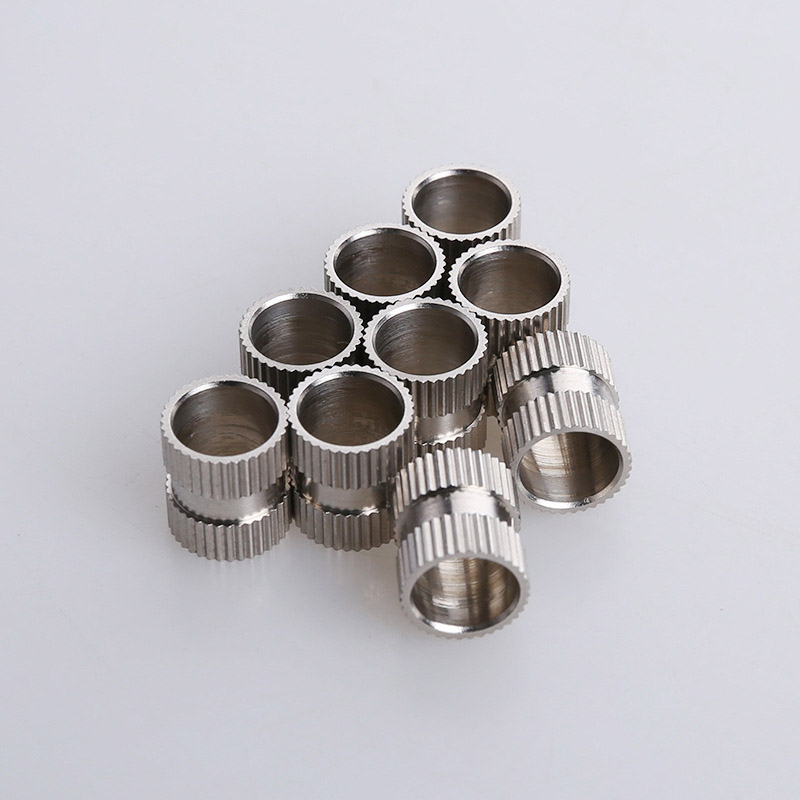
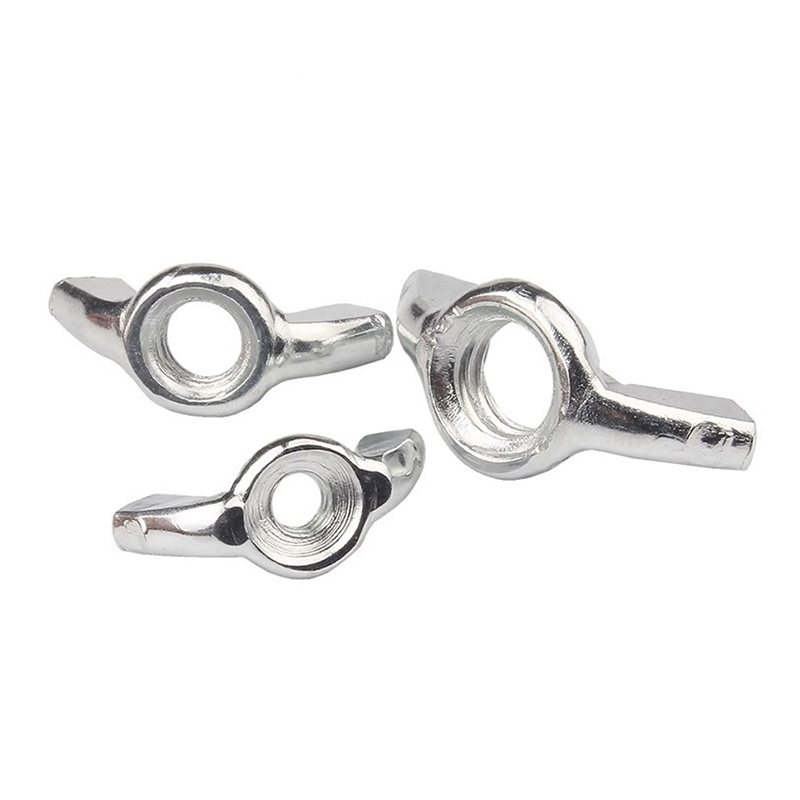
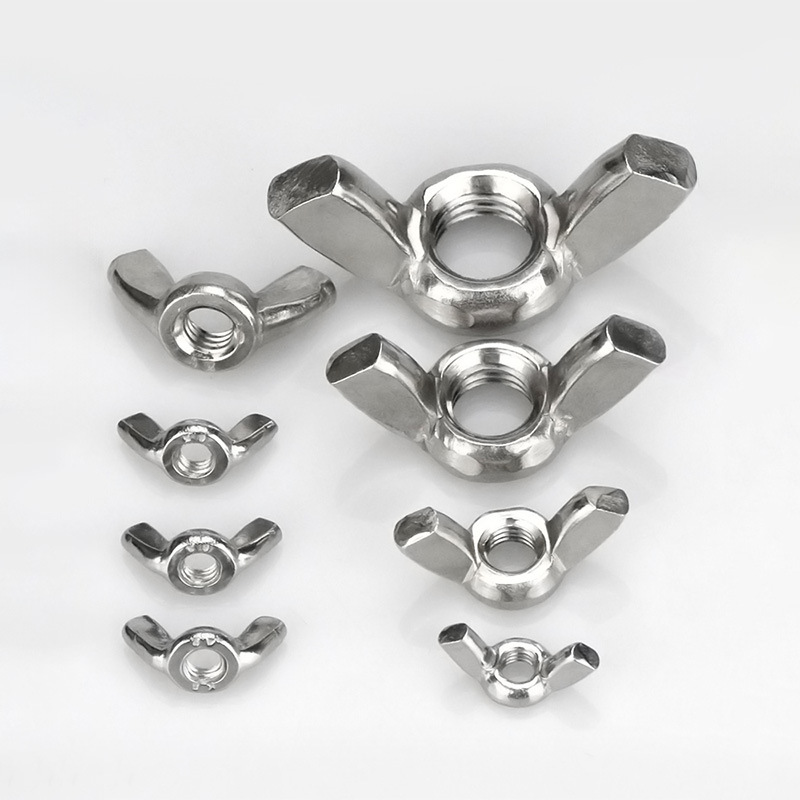
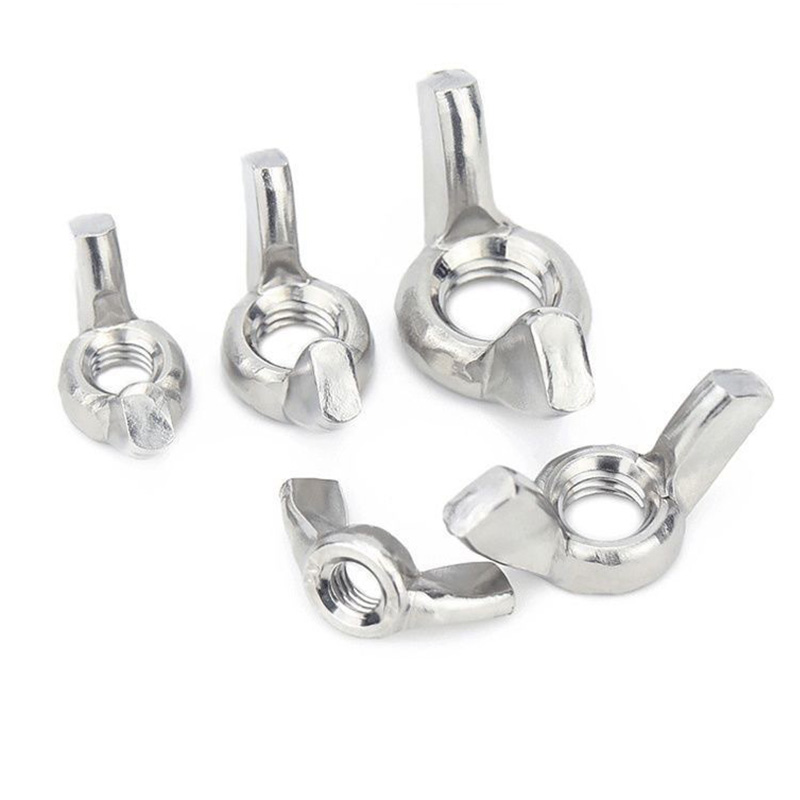
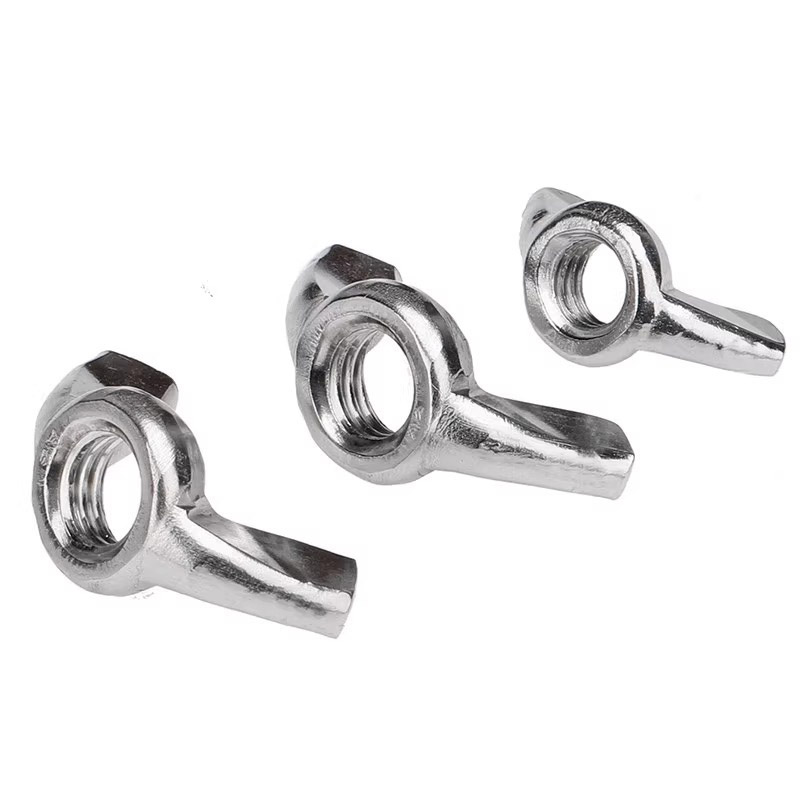
Double Way Insert Nut
A Double Way Insert Nut is a fully threaded fastener that can be installed from either side of a workpiece. Its external protrusions effectively prevent rotation or loosening. Proper installation ensures high pull-out strength and vibration resistance. Xiaoguo products are sturdy and durable; choose with confidence.
Send Inquiry
Product Description
ThisDouble Way Insert Nut has different specs to fit various uses. Sizes usually go by internal thread—common ones are M3 to M12 for metric, and 1/4" to 1/2" for imperial. The outer diameter and length also vary, matching the materials they’ll go into, like wood or plastic. You just need to check the hole size you drill first.
Grades are pretty straightforward too. There’s a standard grade for regular jobs, like DIY furniture or light machinery. Then there’s a heavy-duty one for industrial use, where it needs to hold more weight. All follow basic industry rules so they work with regular bolts. It comes in these specs and grades, so you can pick the right one based on what you’re using it for.
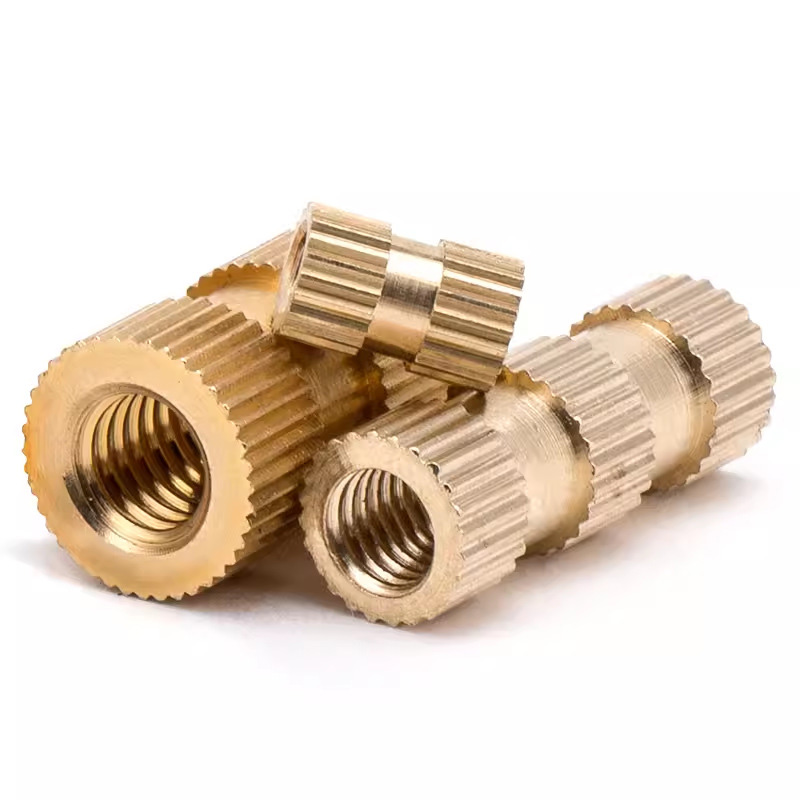
We check thisDouble Way Insert Nut thoroughly during production to make sure it works right. First, we test the raw materials—like checking if the steel or brass is up to standard, no cheap stuff that breaks easily. Then we look at the threads. They need to be even so bolts screw in smoothly, no stuck or loose spots.
We also measure their size with tools to make sure they fit the holes people drill. Surface treatments get checked too, like making sure the zinc plating doesn’t peel off. Every batch has some samples taken to test how well they hold up. It goes through all these steps, so you don’t have to worry about getting faulty ones for your projects.
Q: What are the main applications for Double Way Insert Nuts?
A:The design purpose of nuts is to provide durable and load-bearing threads in soft materials. Common uses include fastening to wood, particleboard, plastic sheets, and thin metal sheets, where standard nuts cannot be used, making it an ideal choice for furniture and components.
| size | M2 | M2.5 | M3 | M4 | M5 | M6 | M8 |
| D | 2 | 2.5 | 3 | 4 | 5 | 6 | 8 |
| P | 0.4 | 0.45 | 0.5 | 0.7 | 0.8 | 1 | 1.25 |
| DK | 3.5 | 3.5 | 4.3 | 5.5 | 7 | 8 | 10 |
| K | 1.3~3.5 | 1.5~4 | 1.2~6 | 0.4~6.6 | 0.8~2 | 1~2.8 | 1.4~2.3 |
Hot Tags: Double Way Insert Nut, China, Manufacturer, Supplier, Factory
Related Category
Hexagon Nut
Square Nut
Hexagon Flange Nut
Lock Nut
Cap Nut
Hexagon Slotted Nut
Hand Screw The Nut
Round Nut
Hubs Nuts
T-nut
Reed Nut
Other Nuts
Send Inquiry
Please Feel free to give your inquiry in the form below. We will reply you in 24 hours.