- English
- Español
- Português
- русский
- Français
- 日本語
- Deutsch
- tiếng Việt
- Italiano
- Nederlands
- ภาษาไทย
- Polski
- 한국어
- Svenska
- magyar
- Malay
- বাংলা ভাষার
- Dansk
- Suomi
- हिन्दी
- Pilipino
- Türkçe
- Gaeilge
- العربية
- Indonesia
- Norsk
- تمل
- český
- ελληνικά
- український
- Javanese
- فارسی
- தமிழ்
- తెలుగు
- नेपाली
- Burmese
- български
- ລາວ
- Latine
- Қазақша
- Euskal
- Azərbaycan
- Slovenský jazyk
- Македонски
- Lietuvos
- Eesti Keel
- Română
- Slovenski
- मराठी
- Srpski језик

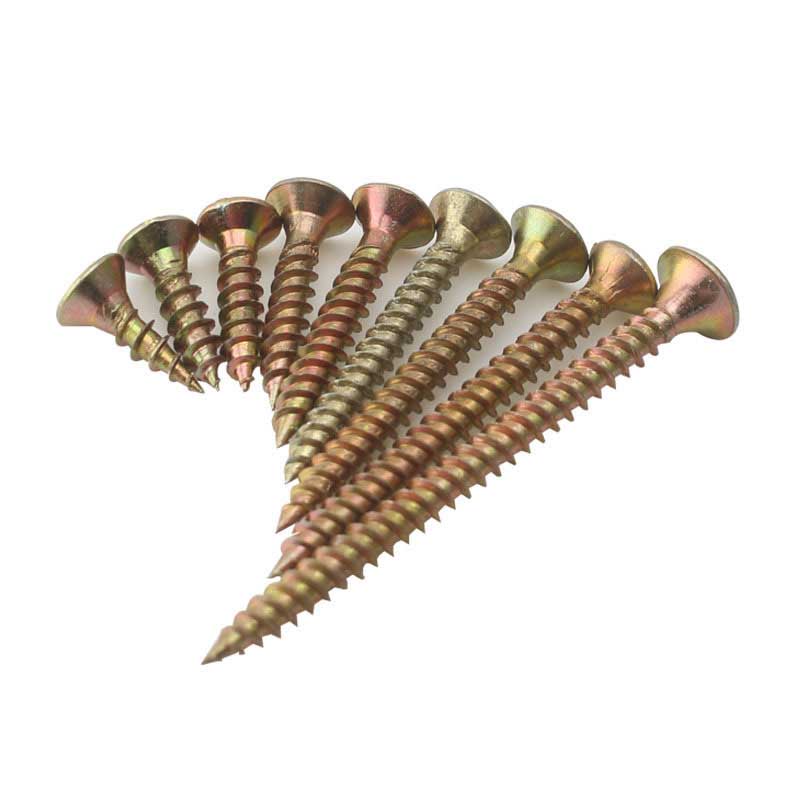
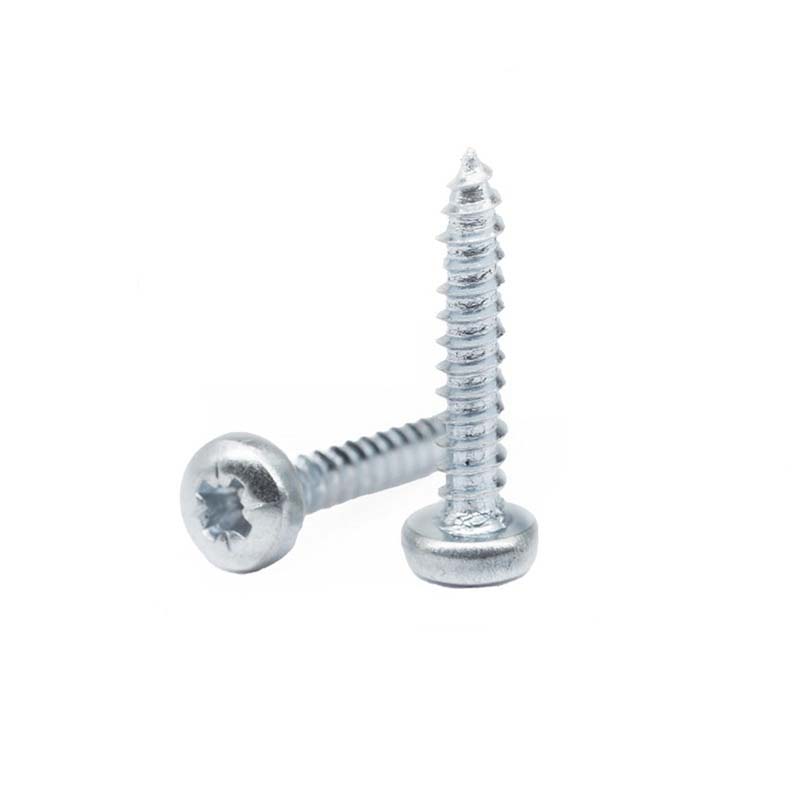
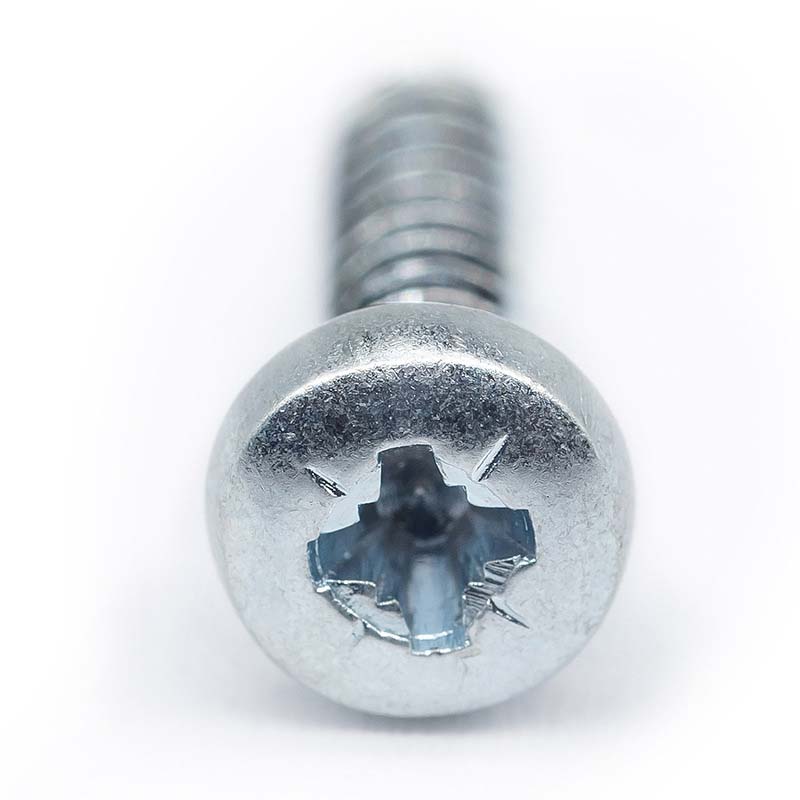
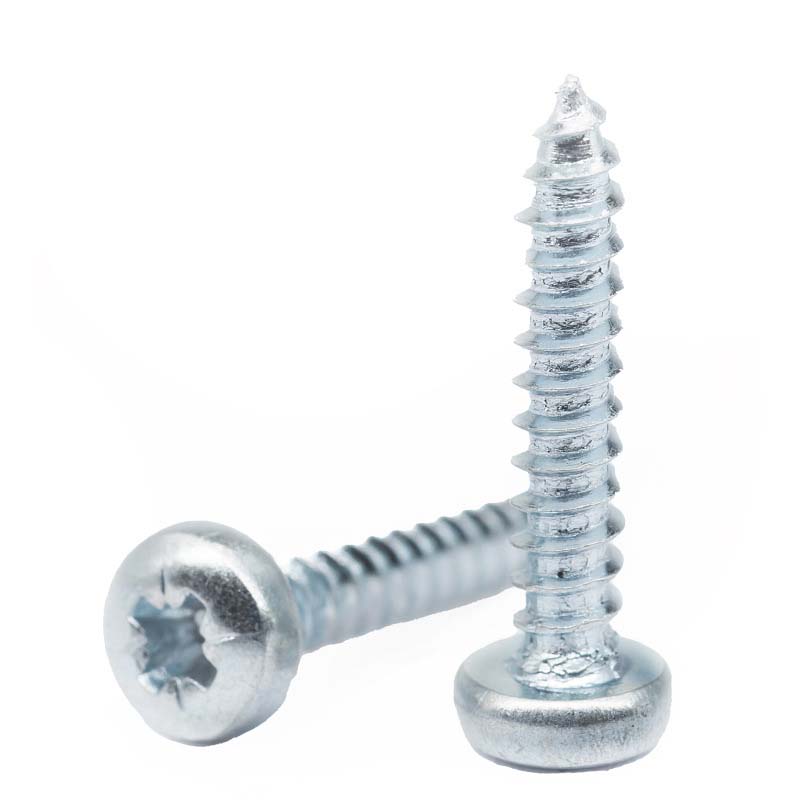
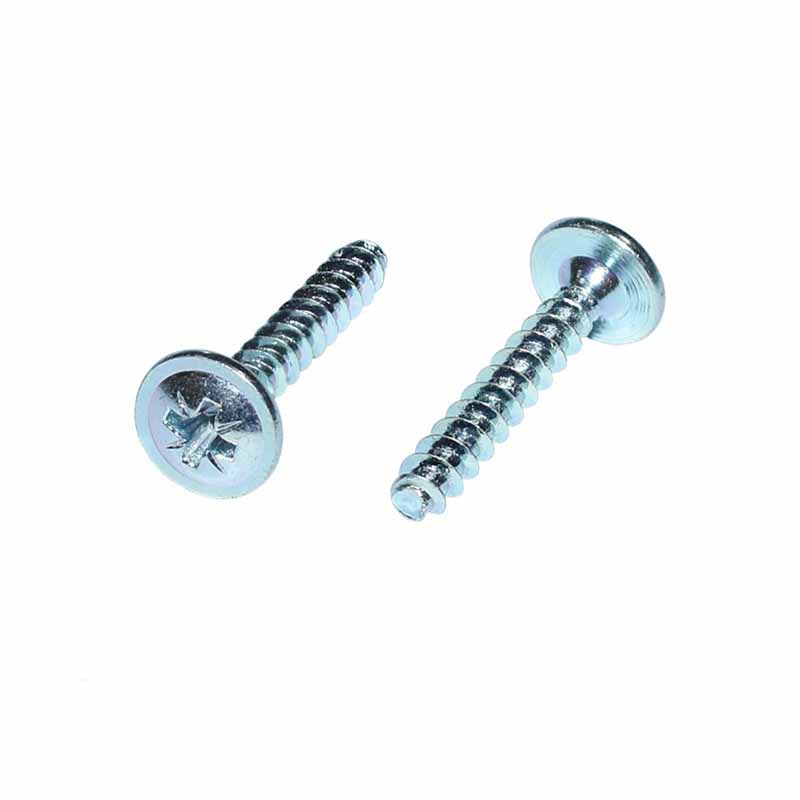
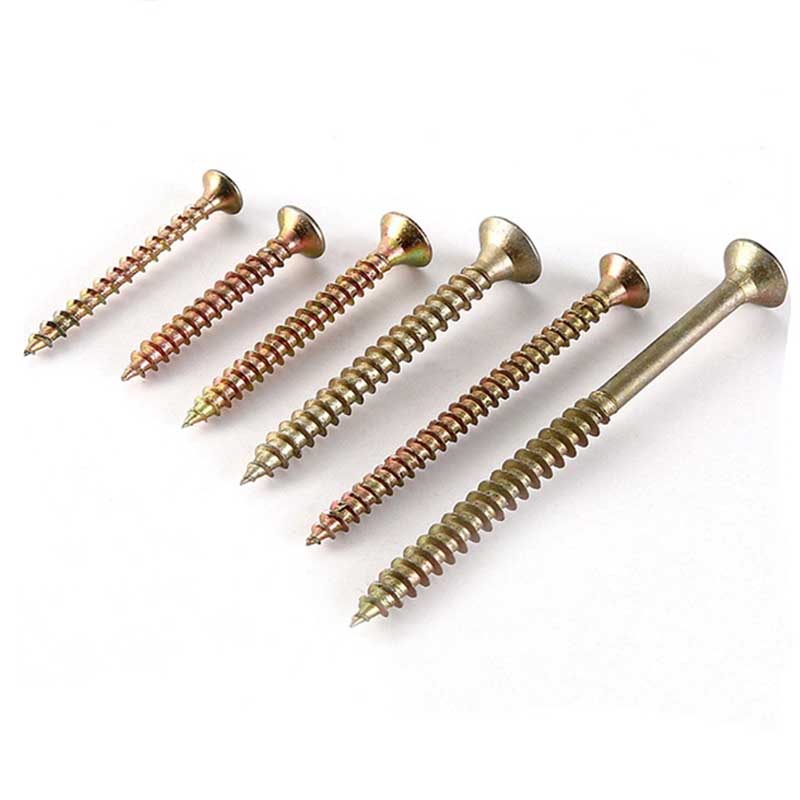
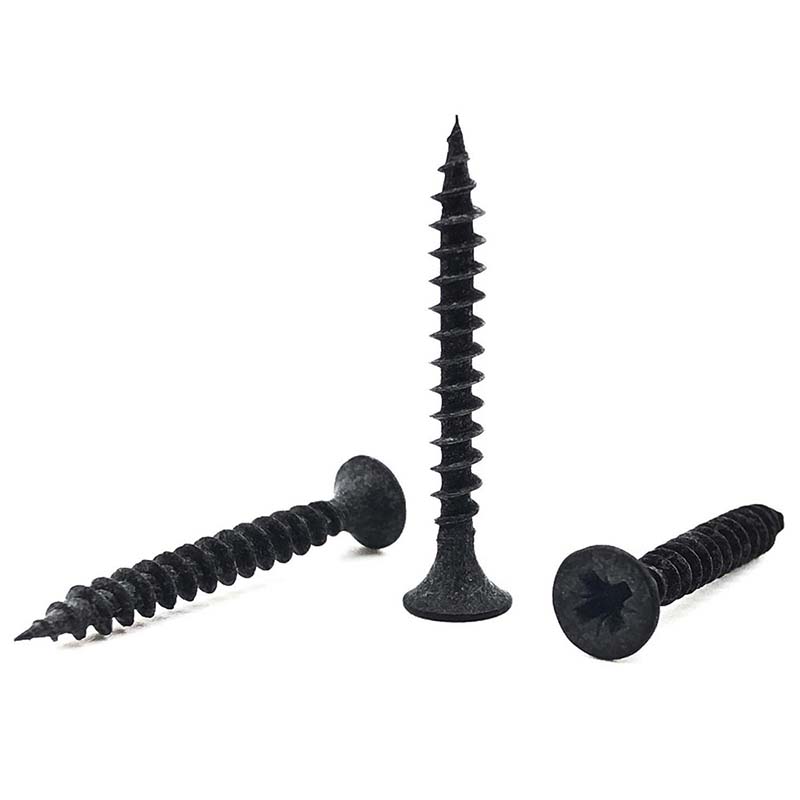
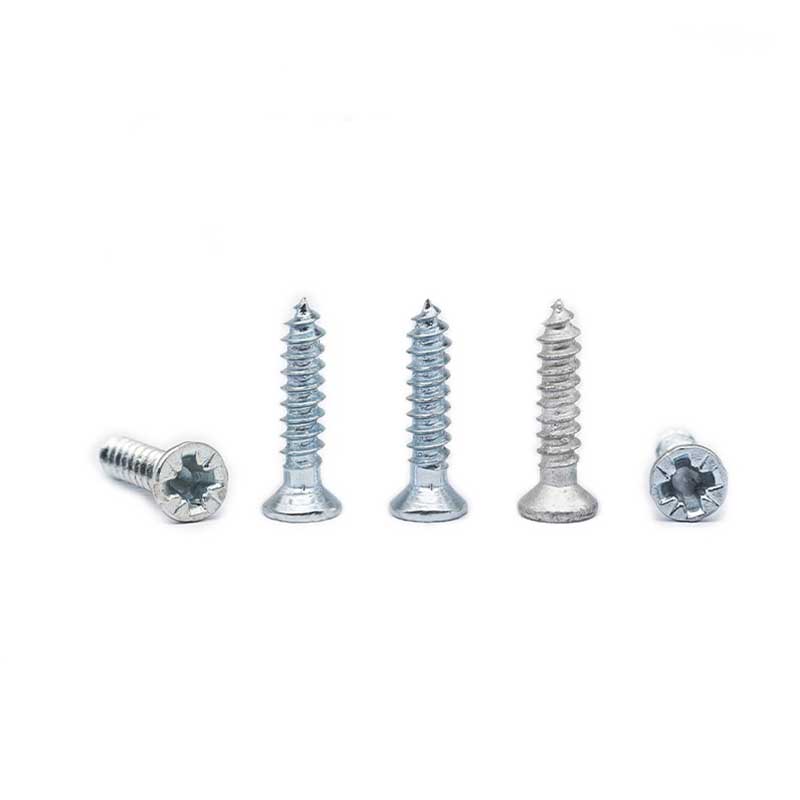
Cross Recessed Screws
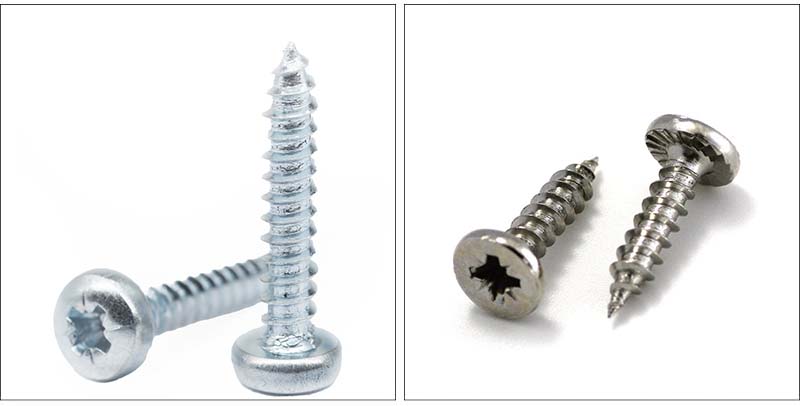
Cross Recessed Screws are corrosion-resistant, strong, weighing-strong, and lightweight, and are widely used in the installation of various equipment. Xiaoguo® Factory provides customized services, and can choose different product materials and processes according to actual usage scenarios.
Model:GOST 3033-1979
Send Inquiry
Product Description
Cross Recessed Screws come in different materials depending on what you need. You can get them in A2/A4 stainless steel, Grade 5/8 alloy steel, or titanium. The stainless steel types have around 16-18% chromium and 10-12% nickel – that’s what helps them fight rust. The alloy steel versions get heat-treated to make them stronger against shear forces (the kind that tries to snap things apart). Titanium screws are lighter, hold up well, and work safely in medical gear where they might touch skin or implants.
These screws are certified under RoHS and REACH, which basically means they’ve passed international safety checks. No sketchy chemicals – they’re good to use anywhere without environmental worries.
Product details and parameters
To make Cross Recessed Screws last longer, check them often for rust or wear. Use a soft brush to clean the threads and get rid of dirt—don’t use rough tools that might scratch them. If you’re using them in high heat or with different metals (like steel and aluminum), put on some anti-seize lubricant to keep them from sticking. Store the screws in a dry place where it’s not humid to avoid rust. If you want to reuse the screws, please make sure not to tighten them too much. Determine the degree of tightening according to the torque rules we provide. If the screws are bent or the heads are damaged, you need replace them immediately to ensure the safety of all components of the equipment.
FAQ
Q: What surface treatments are available for Screws to prevent rust?
A: We’ve got a few ways to keep Cross Recessed Screws from rusting. Including electro-galvanizing (thinner zinc layer, about 5-8 microns), hot-dip galvanizing (thicker zinc layer,50-80 microns), or Dacromet (a mixture of zinc and aluminum sheets). If the usage environment is extremely harsh, such as there are chemicals or salt water around. We will switch to using xylan or Teflon coatings. These slipperier coatings cut down on friction and ace salt spray tests. The star-shaped groove on the screw head gets coated carefully too, so your screwdriver won’t slip even after tons of use.
These coatings help the screws survive outdoors for 10+ years, and they’ve been tested in salt spray chambers for 1,000 hours (that’s like 41 days straight!). Need something extra? We can tweak coatings for niche uses, like planes or offshore oil rigs.
Product surface treatment
The surface treatments for Cross Recessed Screws are mainly to prevent rust and adapt to different use environments. The most common type is zinc plating, which forms a thin protective layer on the surface. It’s suitable for general indoor use or mild outdoor environments where there’s not much moisture. Hot-dip galvanizing is another option, with a thicker coating than zinc plating. This makes it more resistant to corrosion, so it’s used in harsh outdoor settings like coastal areas or industrial zones with pollutants. Some screws also get black oxide treatment, which gives a black finish and helps with lubrication during installation, often for indoor machinery parts. Before any treatment, the screws are cleaned to remove oil and dirt, so the coating can stick well. The choice of treatment just depends on where you’ll use the screws.
Product specifications and grades
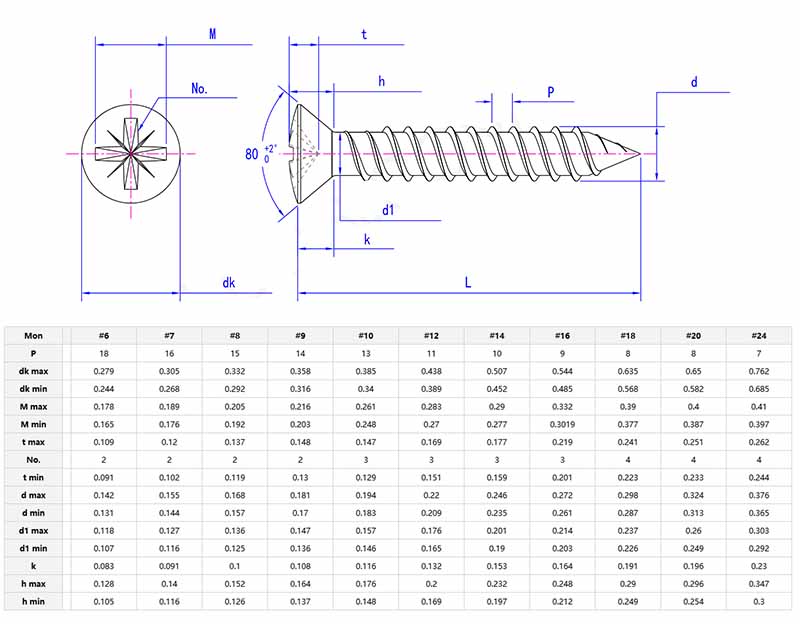
Cross Recessed Screws come in a range of specifications and grades to fit different fastening needs. For specifications, the key factors are diameter and length. Common diameters range from 2mm to 12mm, and lengths go from 4mm up to 100mm. You just need to choose the size that matches the pre-drilled holes and the thickness of the parts you’re connecting. Thread types include coarse and fine threads—coarse threads are more common for general use, while fine threads are for situations that need precise adjustment. As for grades, the main ones are 4.8 and 8.8. Grade 4.8 is for light-load connections, like small household appliances or light furniture. Grade 8.8 is higher strength, used for industrial machinery or structures that bear heavier loads. Each specification and grade is clearly marked on the packaging, so you can pick the right one easily.
Hot Tags: Cross Recessed Screws, China, Manufacturer, Supplier, Factory
Related Category
Slotted Screw
Cross Grooved Screw
Hexagon Socket Screw
Inside Square Screw
Compound Slotted Screw
Torx Groove Screws
Lock Screw
Hand Screw
Oil Screw Plug and Screw Plug
Other Screws
Send Inquiry
Please Feel free to give your inquiry in the form below. We will reply you in 24 hours.