- English
- Español
- Português
- русский
- Français
- 日本語
- Deutsch
- tiếng Việt
- Italiano
- Nederlands
- ภาษาไทย
- Polski
- 한국어
- Svenska
- magyar
- Malay
- বাংলা ভাষার
- Dansk
- Suomi
- हिन्दी
- Pilipino
- Türkçe
- Gaeilge
- العربية
- Indonesia
- Norsk
- تمل
- český
- ελληνικά
- український
- Javanese
- فارسی
- தமிழ்
- తెలుగు
- नेपाली
- Burmese
- български
- ລາວ
- Latine
- Қазақша
- Euskal
- Azərbaycan
- Slovenský jazyk
- Македонски
- Lietuvos
- Eesti Keel
- Română
- Slovenski
- मराठी
- Srpski језик

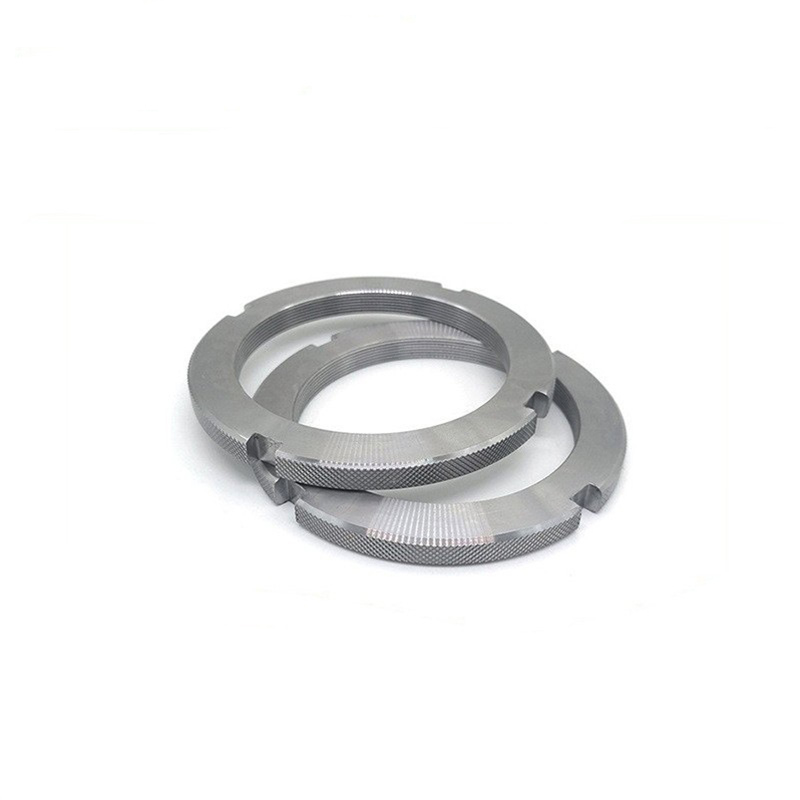
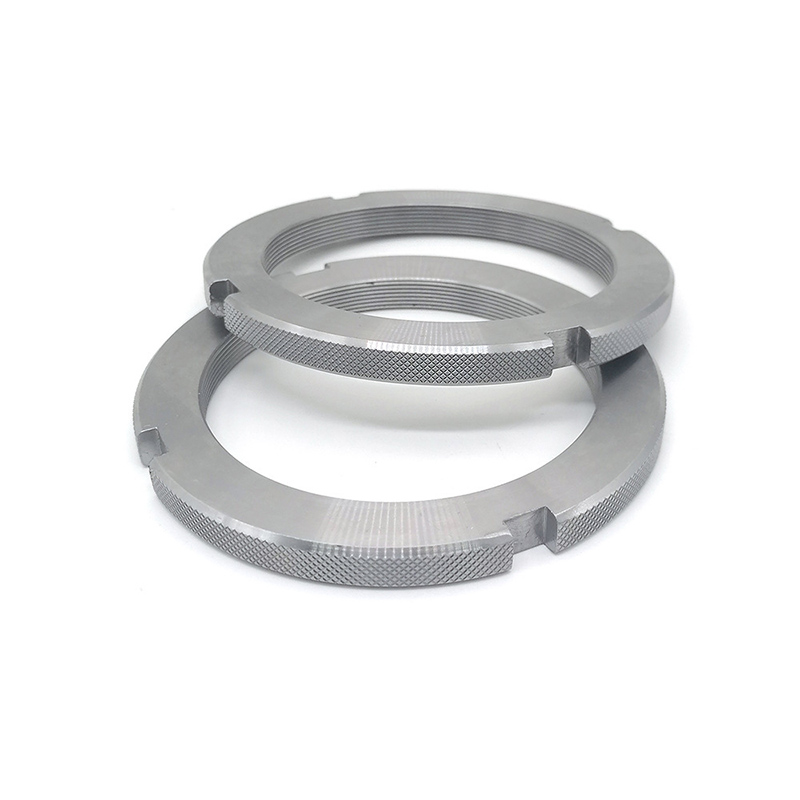
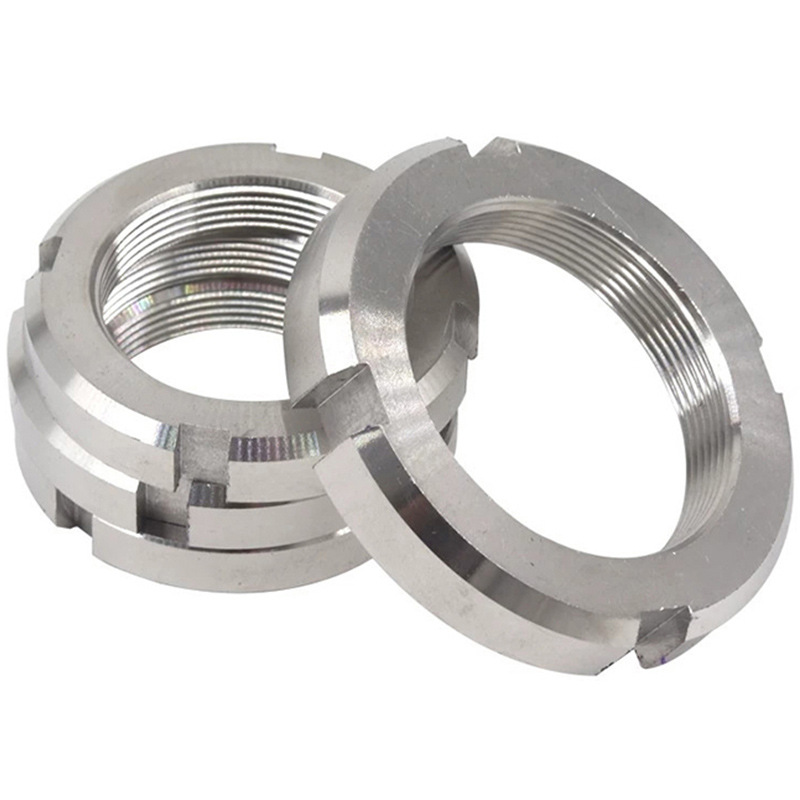
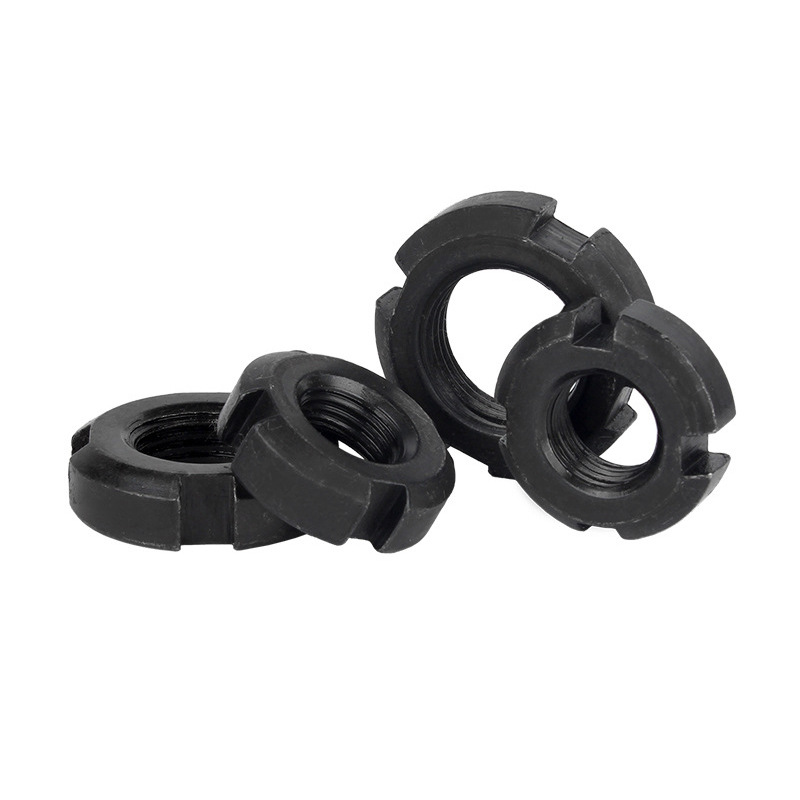
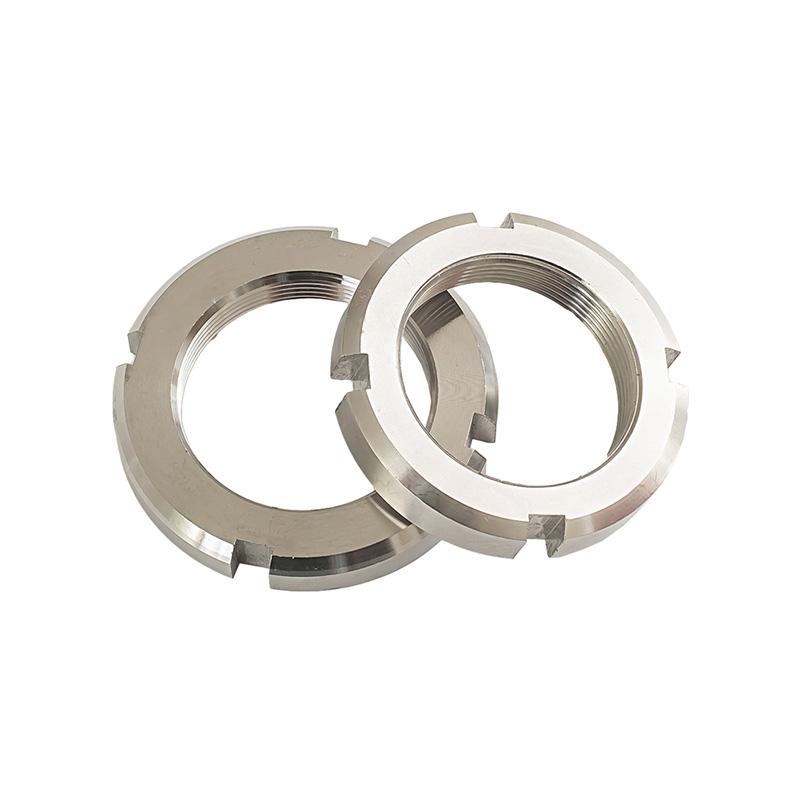
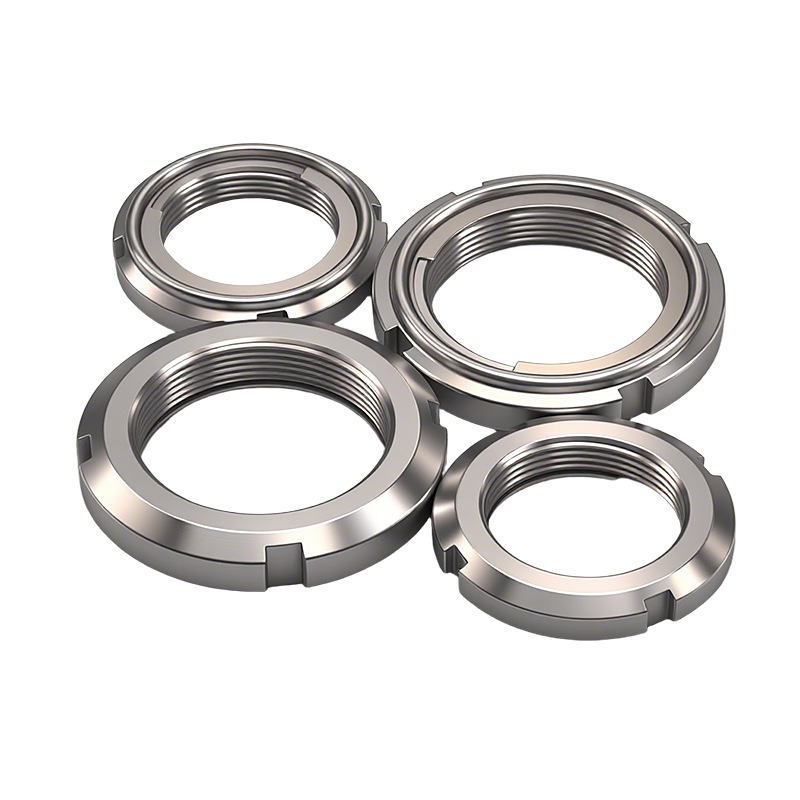
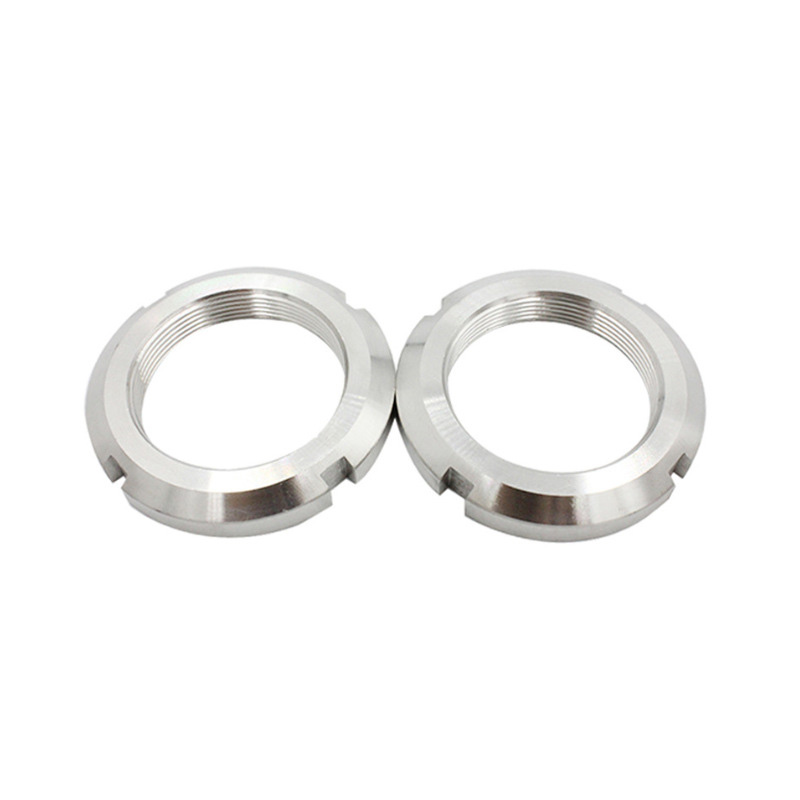
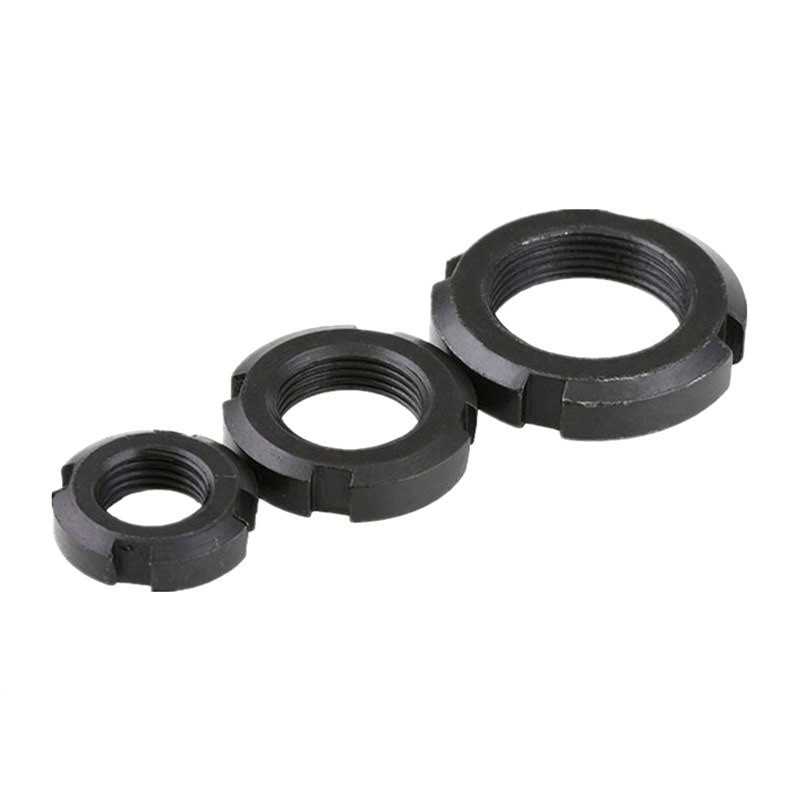
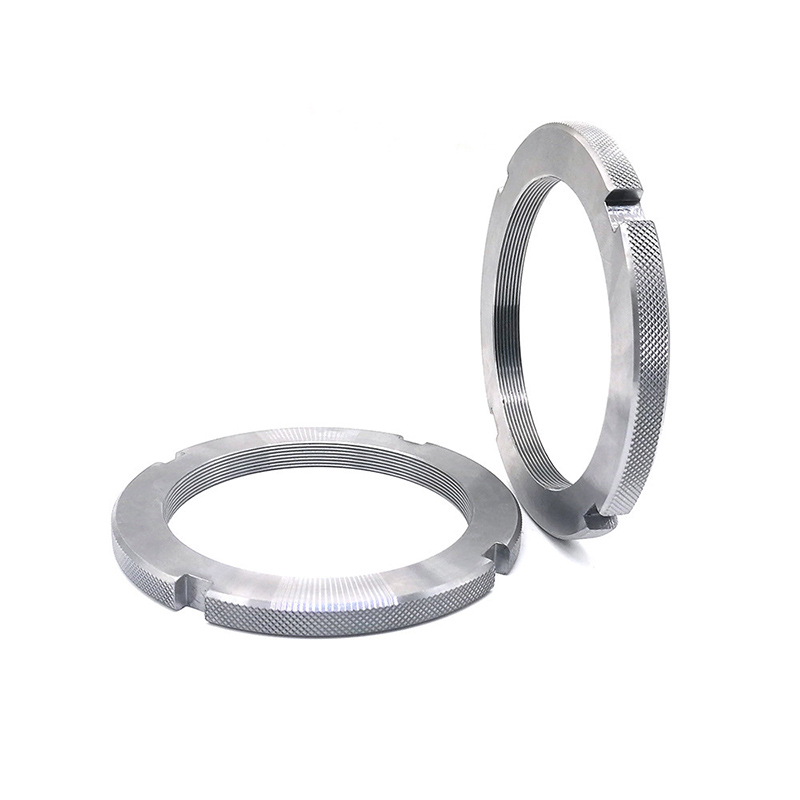
Tool Engaging Slotted Round Nut
Tool Engaging Slotted round nut is a fastening component with a slotted structure formed by machining. This component is commonly used to secure bearings on shafts and in other high-torque applications. Procuring these tool-engineered slotted round nuts from China has become a standard practice for managing production budgets.
Send Inquiry
Product Description
To install a Tool Engaging Slotted round nut, first screw it onto the matching bolt or stud until it is flush against the component to be connected. Align the slot on the Tool Engaging Slotted round nut with the hole on the bolt/stud - this will prevent it from loosening due to vibration.
Pass an open pin through the aligned slot of the nut and the hole of the bolt/ stud, then bend the ends of the open pin outward to secure the nut. To remove it, straighten the ends of the open pin, pull it out with pliers, and then unscrew the nut with a wrench or socket wrench. This method of fixing the nut is very common in mechanical components such as shafts or shaft sleeves - even under heavy loads or continuous movement, it can remain in a tight state, and in most cases, no additional locking washers are required.
Product Packaging
We pack Tool Engaging Slotted round nut carefully to make sure they don't get damaged during shipping or storage. For smaller orders, we put them in sealed plastic bags. Each bag is labeled with the size, thread pitch, and how many pieces are inside, so you can easily find what you need.
For larger orders, we use strong cardboard boxes. Inside, we add anti-rust paper to protect the nuts, especially the steel ones, from corrosion. Sometimes, for industrial customers, we pack nuts in reusable metal containers. These are sturdy and make it easier to handle and store the nuts on the job site.
Every package includes basic instructions. Before shipping, we stack all the boxes securely on pallets to keep them from moving around. So whether you're buying just a few or a big bulk order, the nuts will arrive in good condition.
Q&A Session
What material is the Tool Engaging Slotted round nut typically made from, and how does it ensure durability?
Our Tool Engaging Slotted round nut is usually made from regular high-grade carbon steel or stainless steel—these materials are strong and resist corrosion well. Picking these materials means the nut holds up well in tough conditions, like on machinery or in car parts, and it meets global quality standards to work reliably over time.
Parameter table
| d | dk | n | t | m |
| M10*1 | 22 | 4.3 | 2.6 | 8 |
| M12*1.25 | 25 | 4.3 | 2.6 | 8 |
| M14*1.5 | 28 | 4.3 | 2.5 | 8 |
| M16*1.5 | 30 | 5.2 | 3.1 | 8 |
| M18*1.5 | 32 | 5.3 | 3.1 | 8 |
| M20*1.5 | 35 | 5.3 | 2.8 | 8 |
| M22*1.5 | 38 | 5.3 | 3.1 | 10 |
| M24*1.5 | 42 | 5.3 | 3.1 | 10 |
| M25*1.5 | 42 | 5.3 | 3.1 | 10 |
| M27*1.5 | 45 | 5.3 | 3.1 | 10 |
| M30*1.5 | 48 | 5.3 | 3.1 | 10 |
| M33*1.5 | 52 | 6.3 | 3.6 | 10 |
| M35*1.5 | 52 | 6.3 | 3.6 | 10 |
| M36*1.5 | 55 | 6.3 | 3.6 | 10 |
| M39*1.5 | 58 | 6.3 | 3.6 | 10 |
| M40*1.5 | 58 | 6.3 | 3.6 | 10 |
| M42*1.5 | 62 | 6.3 | 3.6 | 10 |
| M45*1.5 | 68 | 6.3 | 3.6 | 10 |
| M48*1.5 | 72 | 8.3 | 4.2 | 12 |
| M50*1.5 | 72 | 8.3 | 4.2 | 12 |
| M52*1.5 | 78 | 8.3 | 4.2 | 12 |
| M55*2 | 78 | 8.3 | 4.2 | 12 |
| M60*2 | 90 | 8.3 | 4.2 | 12 |
| M64*2 | 95 | 8.3 | 4.2 | 12 |
| M65*2 | 95 | 8.3 | 4.2 | 12 |
| M68*2 | 100 | 10.3 | 4.7 | 12 |
| M72*2 | 105 | 10.3 | 4.7 | 15 |
| M75*2 | 105 | 10.3 | 4.7 | 15 |
| M80*2 | 115 | 10.3 | 4.7 | 15 |
| M85*2 | 120 | 10.3 | 4.7 | 15 |
| M90*2 | 125 | 12.4 | 5.7 | 18 |
| M95*2 | 130 | 12.4 | 5.7 | 18 |
| M100*2 | 135 | 12.4 | 5.7 | 18 |
| M105*2 | 140 | 12.4 | 5.7 | 18 |
| M110*2 | 150 | 14.4 | 6.7 | 18 |
| M115*2 | 155 | 14.4 | 6.7 | 22 |
| M120*2 | 160 | 14.4 | 6.7 | 22 |
| M125*2 | 165 | 14.4 | 6.7 | 22 |
| M130*2 | 170 | 14.4 | 6.7 | 22 |
| M140*2 | 180 | 14.4 | 6.7 | 26 |
| M150*2 | 200 | 16.4 | 7.9 | 26 |
| M160*3 | 210 | 16.4 | 7.9 | 26 |
| M170*3 | 220 | 16.4 | 7.9 | 26 |
| M180*3 | 230 | 16.4 | 7.9 | 30 |
| M190*3 | 240 | 16.4 | 7.9 | 30 |
| M200*3 | 250 | 16.4 | 7.9 | 30 |
Hot Tags: Tool Engaging Slotted Round Nut
Related Category
Hexagon Nut
Square Nut
Hexagon Flange Nut
Lock Nut
Cap Nut
Hexagon Slotted Nut
Hand Screw The Nut
Round Nut
Hubs Nuts
T-nut
Reed Nut
Other Nuts
Send Inquiry
Please Feel free to give your inquiry in the form below. We will reply you in 24 hours.