- English
- Español
- Português
- русский
- Français
- 日本語
- Deutsch
- tiếng Việt
- Italiano
- Nederlands
- ภาษาไทย
- Polski
- 한국어
- Svenska
- magyar
- Malay
- বাংলা ভাষার
- Dansk
- Suomi
- हिन्दी
- Pilipino
- Türkçe
- Gaeilge
- العربية
- Indonesia
- Norsk
- تمل
- český
- ελληνικά
- український
- Javanese
- فارسی
- தமிழ்
- తెలుగు
- नेपाली
- Burmese
- български
- ລາວ
- Latine
- Қазақша
- Euskal
- Azərbaycan
- Slovenský jazyk
- Македонски
- Lietuvos
- Eesti Keel
- Română
- Slovenski
- मराठी
- Srpski језик

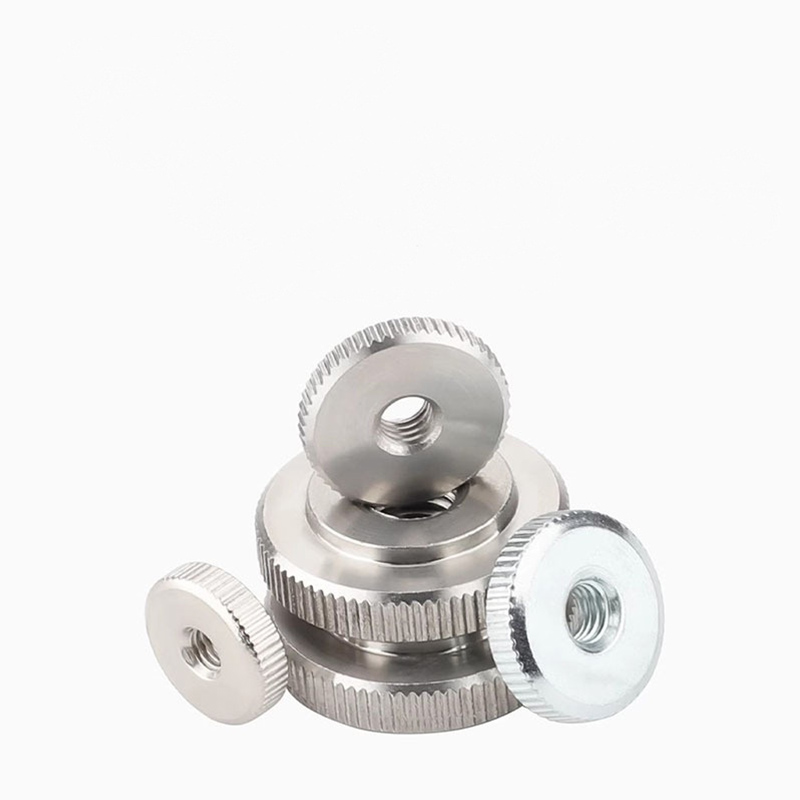
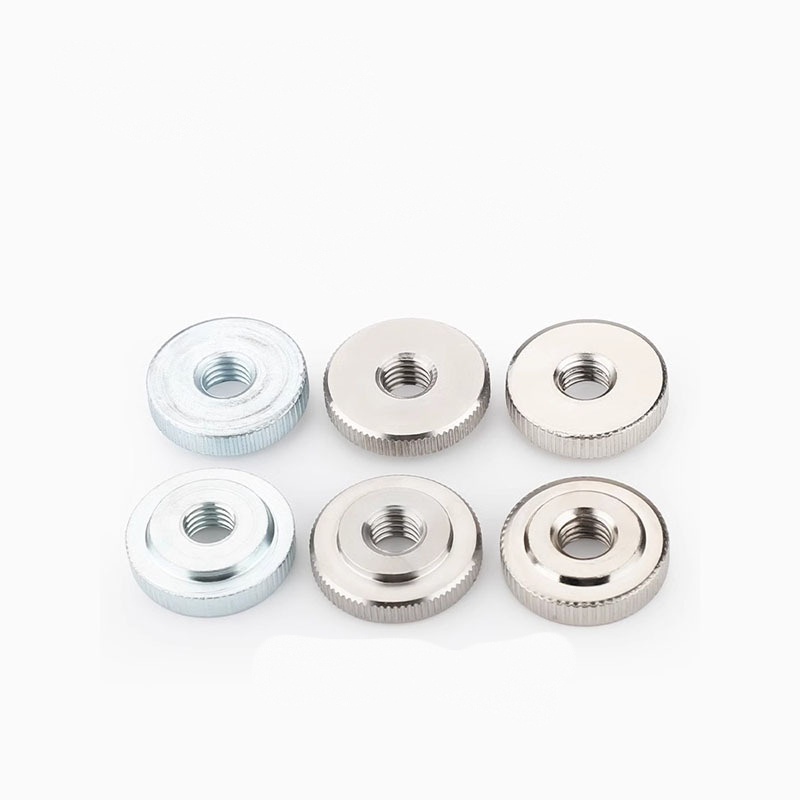
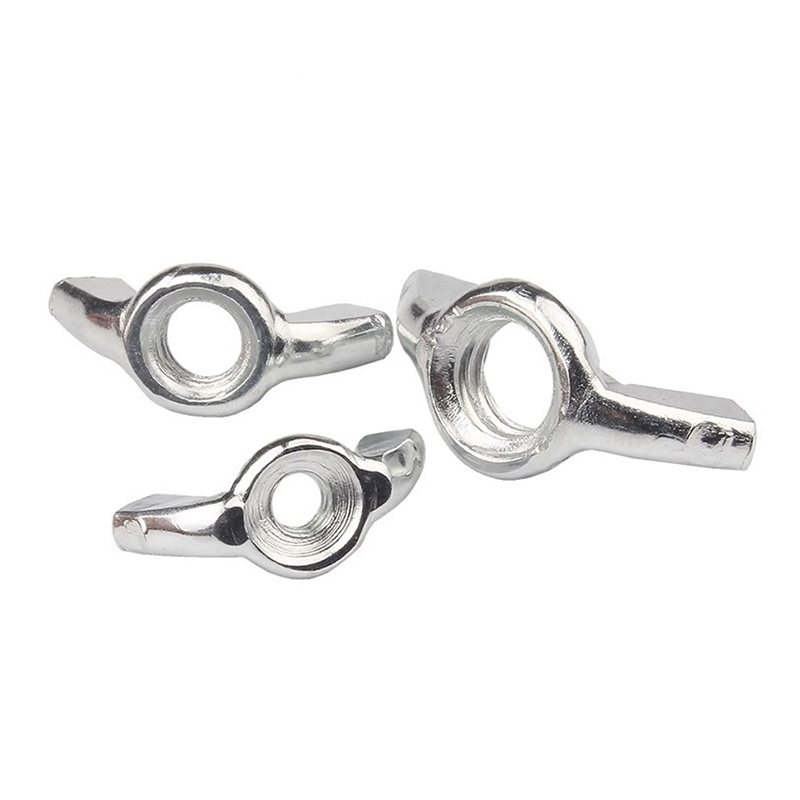
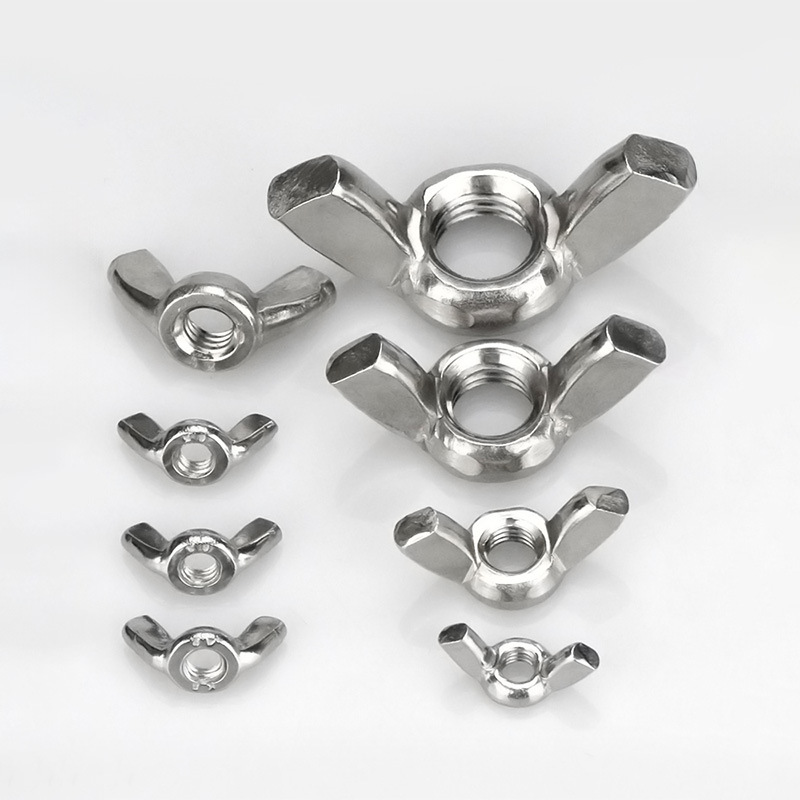
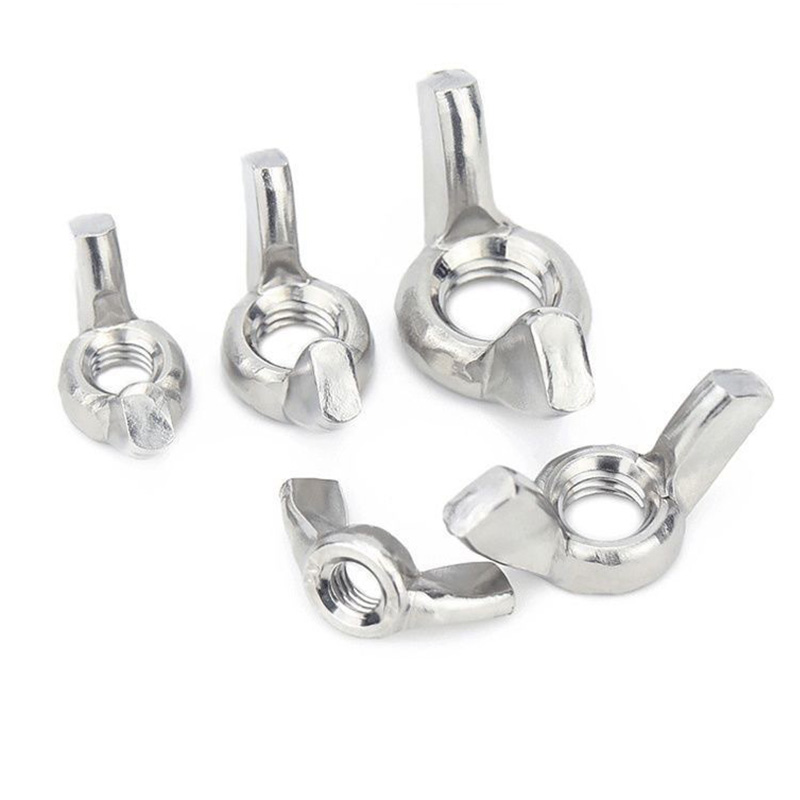
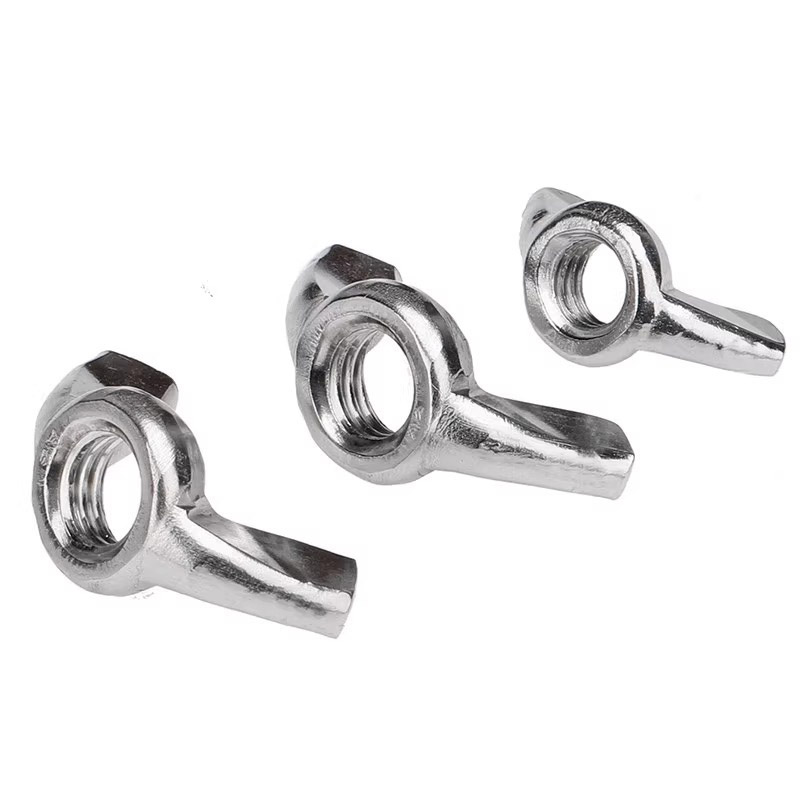
New Original Knurled Nut
These New Original Knurled Nut is commonly found on camera mounts, control panels, and adjustable clamps. Xiaoguo's latest best-selling brand-new, genuine knurled nuts offer a cost-effective solution for user-maintainable designs.
Send Inquiry
Product Description
This New Original Knurled Nut uses common metals that fit most regular uses. The most popular option is carbon steel. It’s affordable and works for indoor jobs, like small tool assemblies or electronic device parts. It usually has a basic surface treatment to prevent mild rust, nothing extra.
For places that need rust resistance—like outdoor small fixtures or damp environments—stainless steel is a better choice. It holds up well against water and humidity. Some light-duty uses opt for aluminum; it’s lightweight, good for projects that don’t need heavy metal parts. All materials meet basic industry standards, no special quality claims. New Original Knurled Nut’s material options are simple, so you just pick based on where and how you’ll use it.
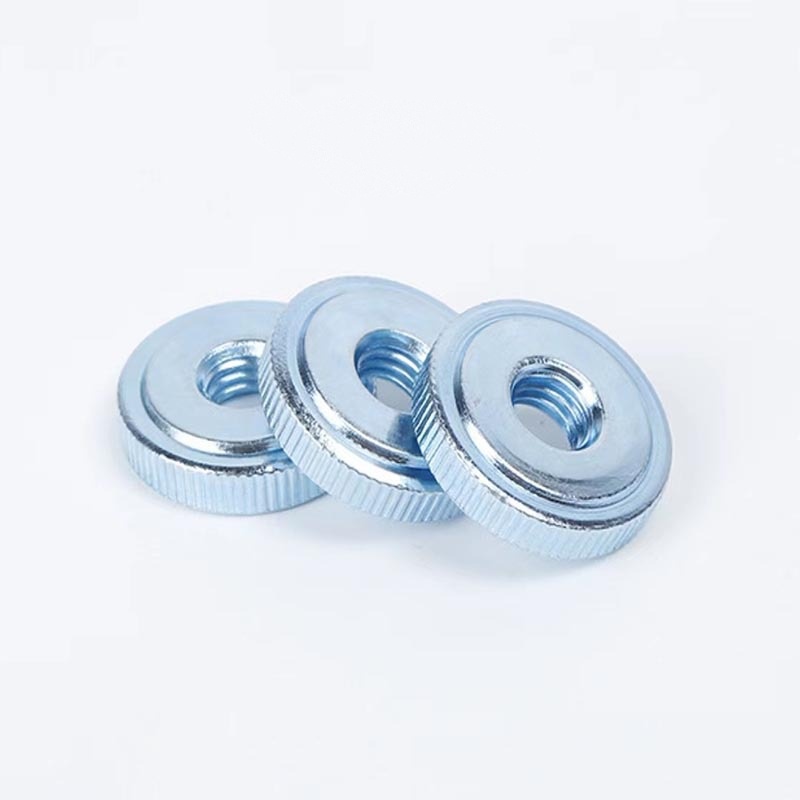
Product surface treatment
The surface treatment here targets the nut’s metal body, mainly to prevent rust and keep the knurled ridges usable. The most common type is zinc plating. It’s simple and cost-effective, fitting for regular indoor uses like small tools or electronic parts. It forms a thin protective layer that stops mild rust without changing the feel of the knurled surface.
For damp or outdoor scenarios, we use hot-dip galvanizing. It’s a thicker coat, so it holds up better against rain and humidity. Some industrial-grade ones get black oxide treatment; it adds a bit more wear resistance, no fancy effects. These treatments don’t damage the knurled ridges—they still keep the grip needed for hand twisting. New Original Knurled Nut gets these basic treatments based on usage, just to maintain the metal’s condition for daily use.
Q&A Session
Q: Will the knurled ridges wear out easily after frequent twisting?
A:It depends on the material. The stainless steel version holds up better for frequent use. The carbon steel one with zinc plating is okay for regular use but might show slight wear if twisted multiple times a day for months. The ridges are made to be sturdy enough for daily use scenarios. If you need it for high-frequency applications, pick the industrial-grade one. We test the ridges’ firmness during production to make sure they don’t wear out too soon.

| D | P | dk | m | Every 1,000 unitsn terms ofweight≈kg | ||
| max | min | max | min | |||
| M1.5 | 0.3 | 6 | 5.78 | 2 | 1.75 | 0.31 |
| M1.6 | 0.35 | 7 | 6.78 | 2.5 | 2.25 | 0.56 |
| M2 | 0.4 | 8 | 7.78 | 2.5 | 2.25 | 0.73 |
| M2.5 | 0.45 | 9 | 8.78 | 3 | 2.25 | 0.91 |
| M3 | 0.5 | 11 | 10.73 | 3 | 2.75 | 1.69 |
| M4 | 0.7 | 12 | 11.73 | 4 | 2.75 | 1.98 |
| M5 | 0.8 | 16 | 15.73 | 5 | 3.7 | 4.96 |
| M6 | 1 | 20 | 19.67 | 6 | 4.7 | 9.23 |
| M8 | 1.25 | 24 | 23.67 | 6 | 5.7 | 16.4 |
| M10 | 1.5 | 30 | 29.67 | 8 | 7.64 | 32.36 |
Hot Tags: New Original Knurled Nut, China, Manufacturer, Supplier, Factory
Related Category
Hexagon Nut
Square Nut
Hexagon Flange Nut
Lock Nut
Cap Nut
Hexagon Slotted Nut
Hand Screw The Nut
Round Nut
Hubs Nuts
T-nut
Reed Nut
Other Nuts
Send Inquiry
Please Feel free to give your inquiry in the form below. We will reply you in 24 hours.