- English
- Español
- Português
- русский
- Français
- 日本語
- Deutsch
- tiếng Việt
- Italiano
- Nederlands
- ภาษาไทย
- Polski
- 한국어
- Svenska
- magyar
- Malay
- বাংলা ভাষার
- Dansk
- Suomi
- हिन्दी
- Pilipino
- Türkçe
- Gaeilge
- العربية
- Indonesia
- Norsk
- تمل
- český
- ελληνικά
- український
- Javanese
- فارسی
- தமிழ்
- తెలుగు
- नेपाली
- Burmese
- български
- ລາວ
- Latine
- Қазақша
- Euskal
- Azərbaycan
- Slovenský jazyk
- Македонски
- Lietuvos
- Eesti Keel
- Română
- Slovenski
- मराठी
- Srpski језик

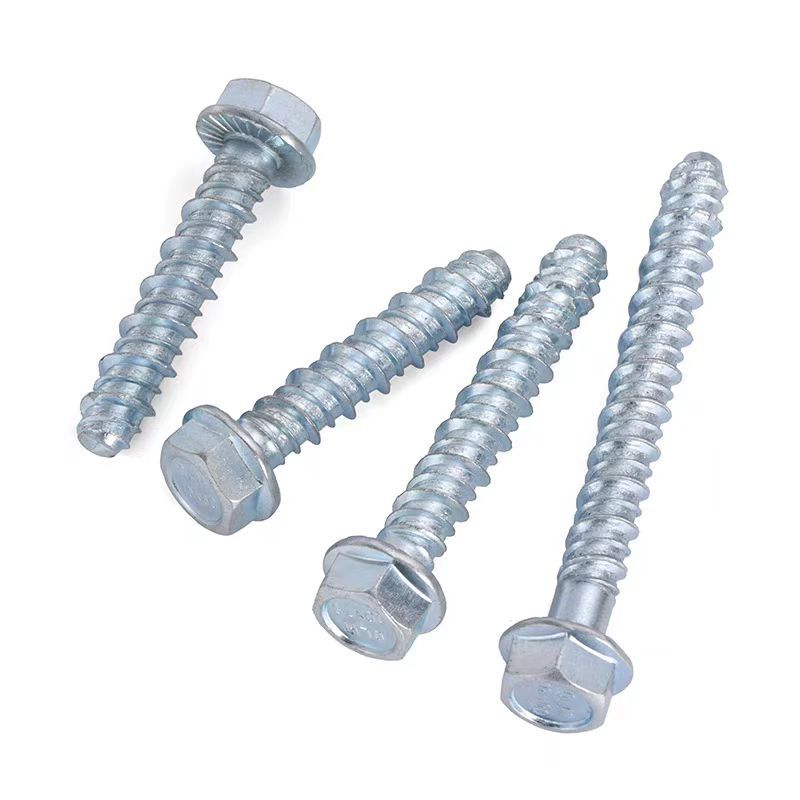
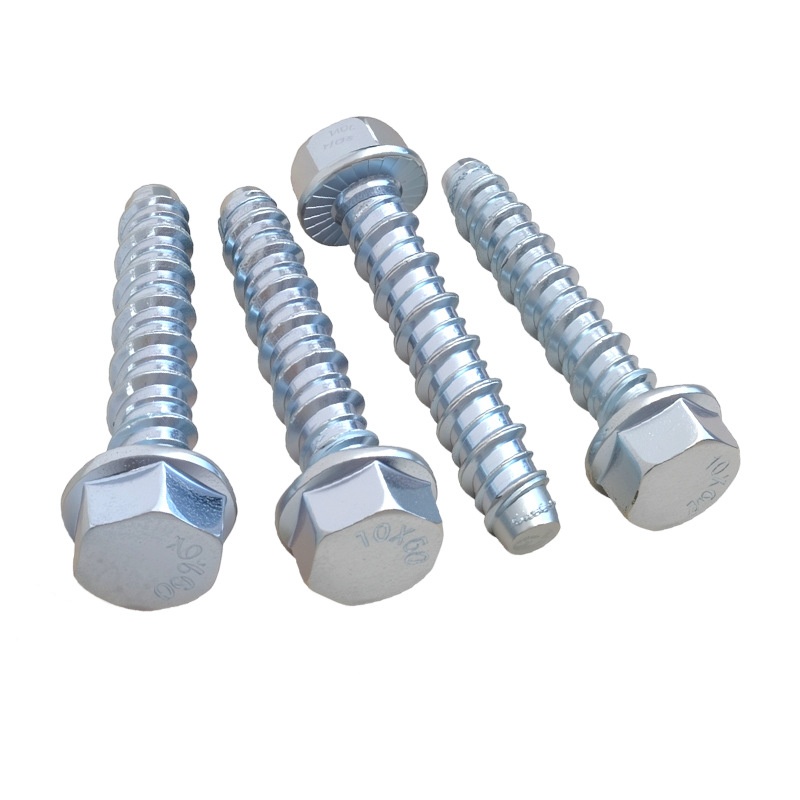
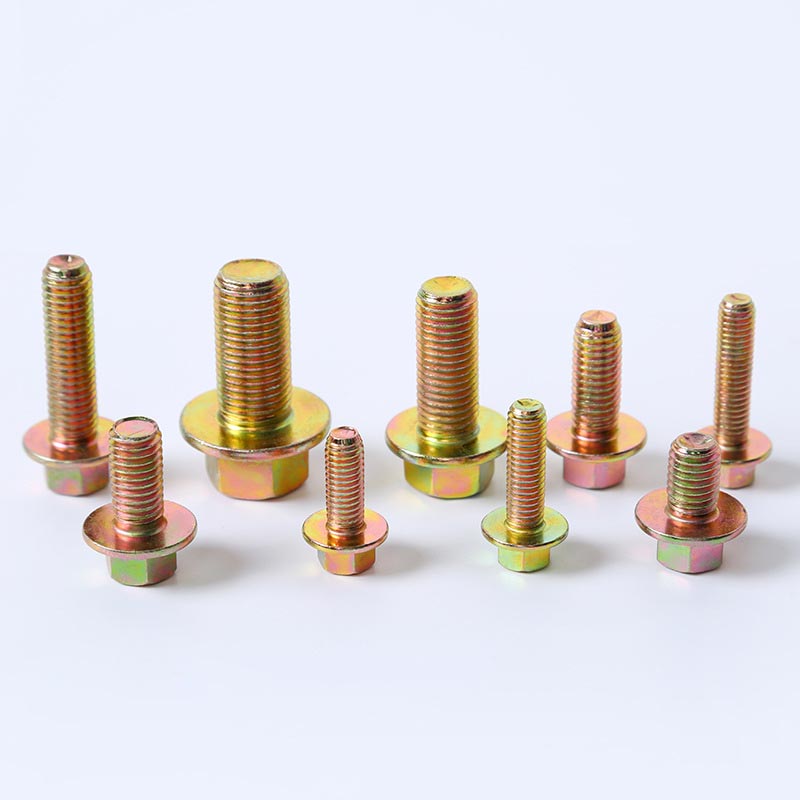
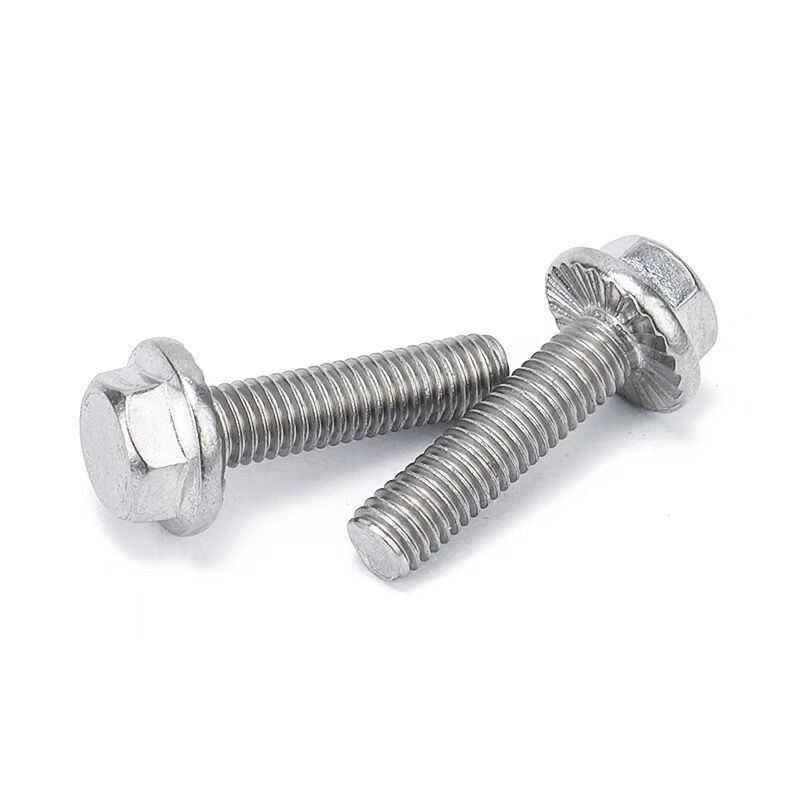
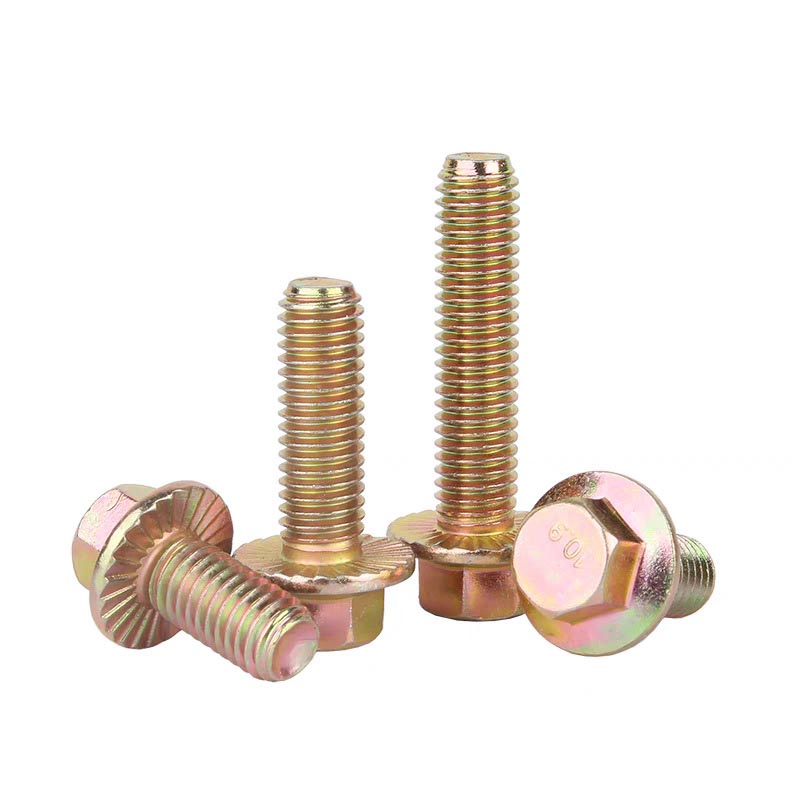
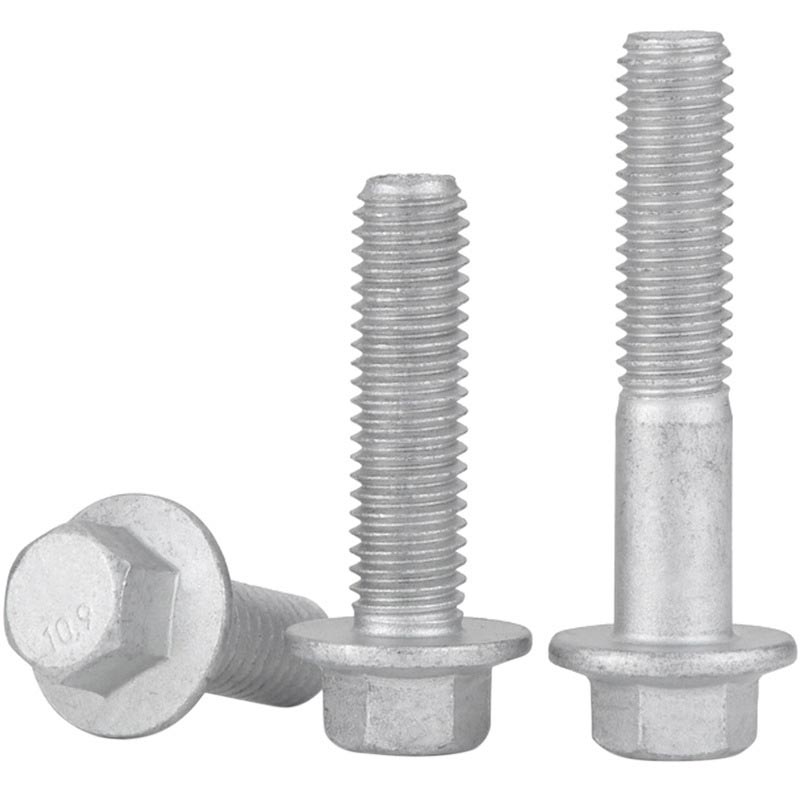
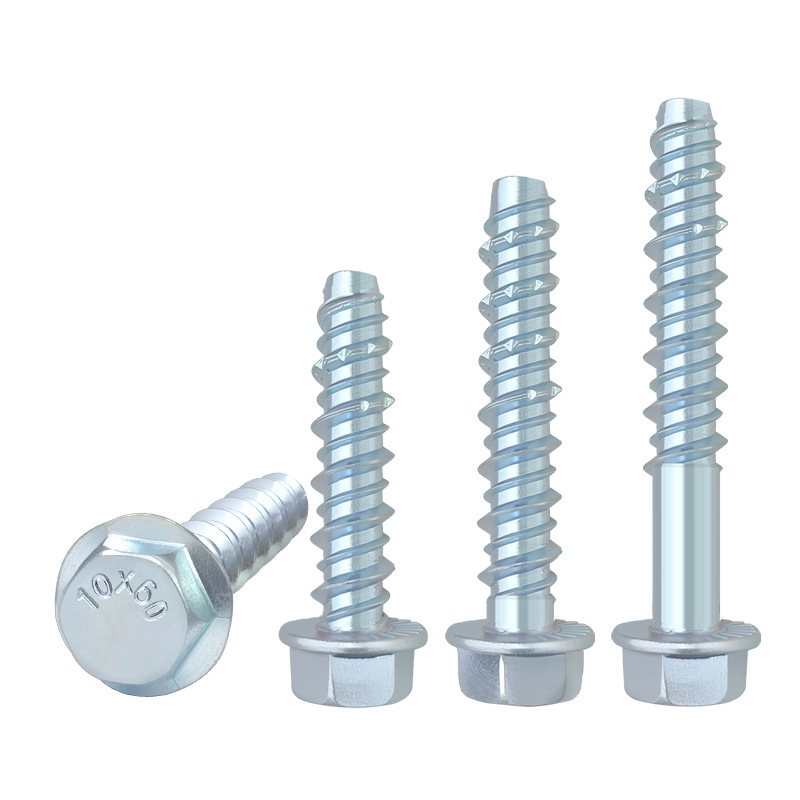
Galvanized Masonry Concrete Screw Bolt
Source durable XIAO GUO bolts directly. As a leading China alvanized Masonry Concrete Screw Bolt factory, we ensure high-grade steel and sharp threads for easy installation and excellent holding power. Consistent performance.
Send Inquiry
Product Description
This Galvanized Masonry Concrete Screw Bolt uses metals that can handle the pressure of being twisted into concrete. The most common one is carbon steel. It’s affordable and works for regular indoor jobs, like installing shelves on basement concrete walls. It usually has a basic plating to prevent mild rust, nothing extra.
For outdoor or damp environments—like exterior concrete walls or garages—stainless steel is a better pick. It holds up well against rain and humidity, so it won’t rust easily. Some heavy-duty uses opt for alloy steel; it’s stronger, fitting for fixtures that bear more weight, like heavy brackets. All materials meet basic industry standards, no special quality claims. Galvanized Masonry Concrete Screw Bolt’s material options are simple, so you just choose based on where and how you’ll use it.
Product surface treatment
The surface treatment of this bolt mainly aims to prevent rust and protect the threads. The most common type is zinc plating. It’s cost-effective and suitable for regular indoor uses, such as installing shelves in basements or indoor concrete walls. It forms a thin protective layer that stops mild rust without affecting the bolt’s ability to twist into concrete.
For outdoor or damp environments—like exterior walls or garages—hot-dip galvanizing is better. It has a thicker coating, so it holds up well against rain, humidity, and even slight exposure to chemicals. Some heavy-duty ones get black oxide treatment; it adds a bit more wear resistance, which helps when twisting into hard concrete. These treatments don’t damage the threads. Galvanized Masonry Concrete Screw Bolt gets these basic treatments based on usage needs, just to keep the metal in usable condition for long.
Q&A Session
Q: How much weight can a single bolt hold? I need to hang heavy tools on a concrete wall.
A:The holding capacity depends on the bolt size and concrete quality. A standard 8mm diameter, 60mm long bolt can hold about 50-80kg on solid concrete. For heavy tools (over 100kg), use it spaced 10-15cm apart. We have a load capacity chart that lists data for each size. Don’t use a single bolt for heavy loads—even industrial-grade ones have limits. If you’re unsure, send us the tool weight, and we’ll calculate how many bolts you need.
| Size | Outer diameter | Length |
| 14*80 | 14 | 80 |
| 14*100 | 14 | 100 |
| 14*120 | 14 | 120 |
| 14*150 | 14 | 150 |
| 16*80 | 16 | 80 |
| 16*100 | 16 | 100 |
| 16*120 | 16 | 120 |
| 16*150 | 16 | 150 |
Hot Tags: , China, Manufacturer, Supplier, Factory
Related Category
Hexagon Head Bolt
Hexagon Head Flange Bolt
Square Head Bolt
Round Head Bolt
Countersunk Bolt
Knuckle Bolt
T-bolt
U Bolt
Foundation Bolts
Anchor Bolt
Hub Bolt
Hexalobular Socket Pan Head Bolt
Twelve Angle Bolt
Send Inquiry
Please Feel free to give your inquiry in the form below. We will reply you in 24 hours.