- English
- Español
- Português
- русский
- Français
- 日本語
- Deutsch
- tiếng Việt
- Italiano
- Nederlands
- ภาษาไทย
- Polski
- 한국어
- Svenska
- magyar
- Malay
- বাংলা ভাষার
- Dansk
- Suomi
- हिन्दी
- Pilipino
- Türkçe
- Gaeilge
- العربية
- Indonesia
- Norsk
- تمل
- český
- ελληνικά
- український
- Javanese
- فارسی
- தமிழ்
- తెలుగు
- नेपाली
- Burmese
- български
- ລາວ
- Latine
- Қазақша
- Euskal
- Azərbaycan
- Slovenský jazyk
- Македонски
- Lietuvos
- Eesti Keel
- Română
- Slovenski
- मराठी
- Srpski језик

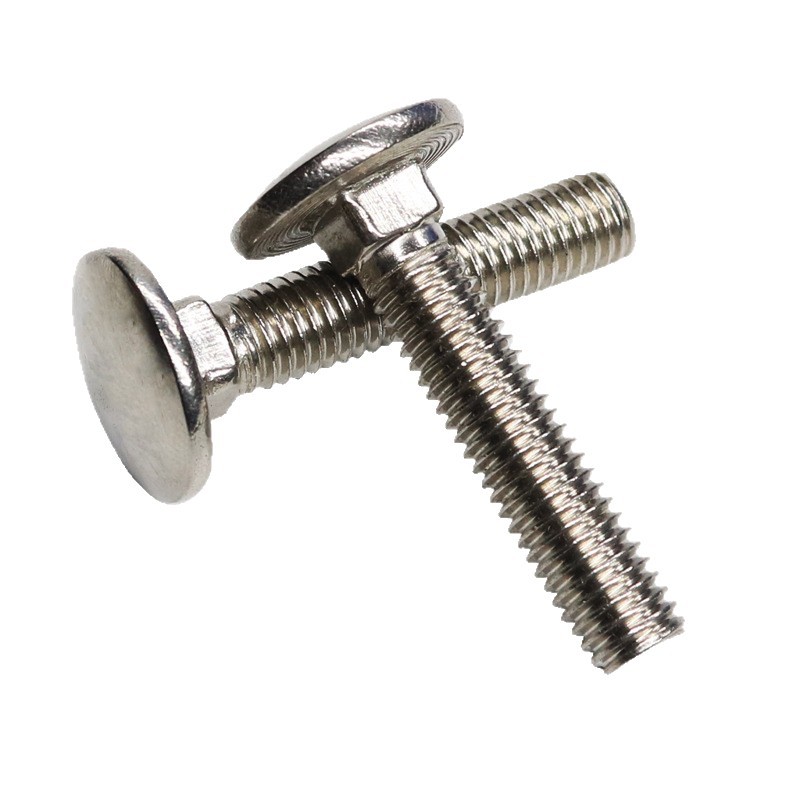
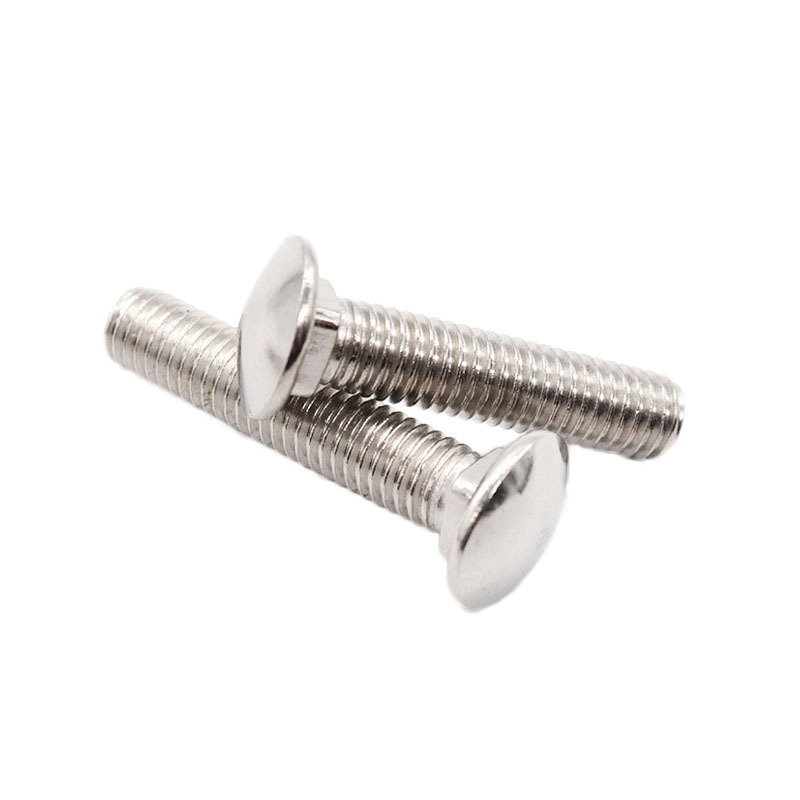
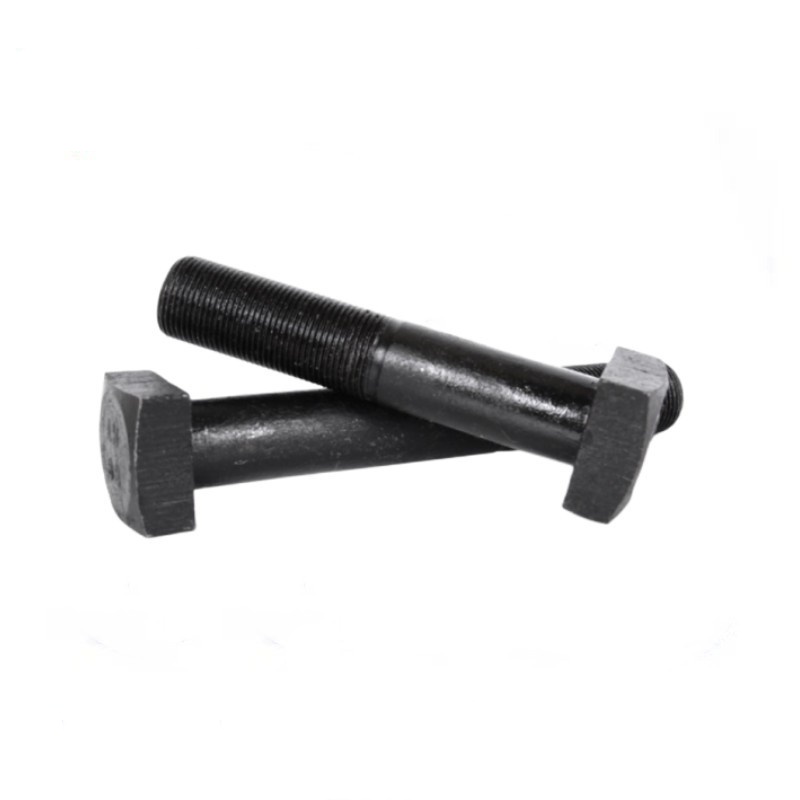
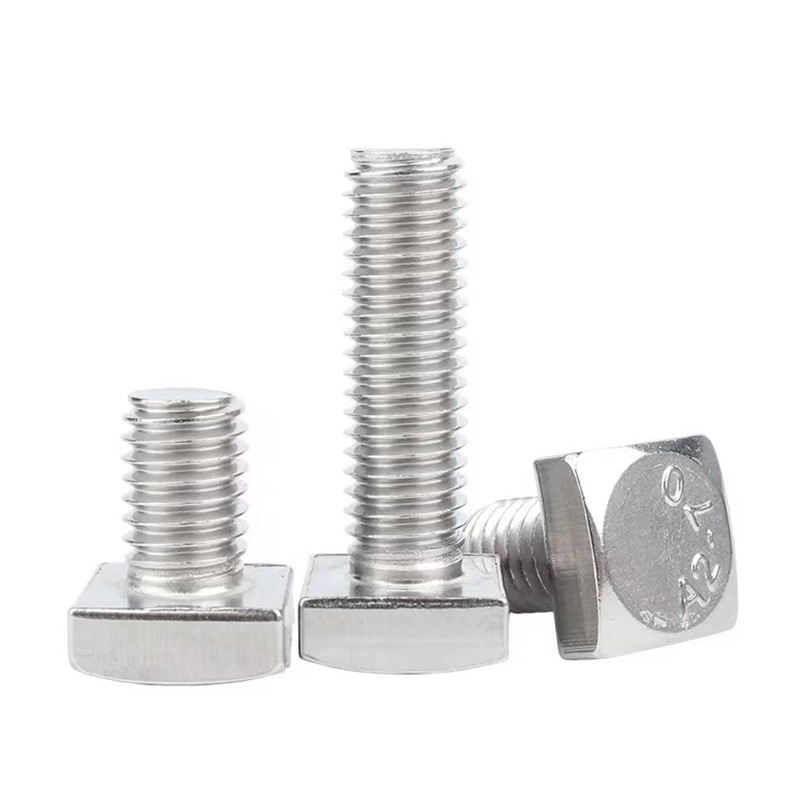
Cup Head Nib Bolts
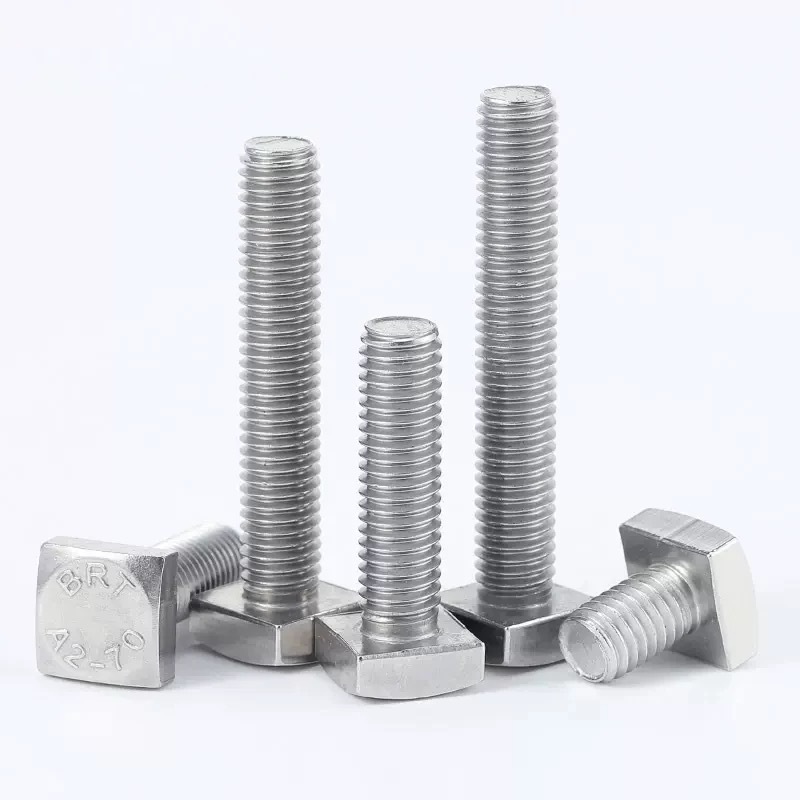
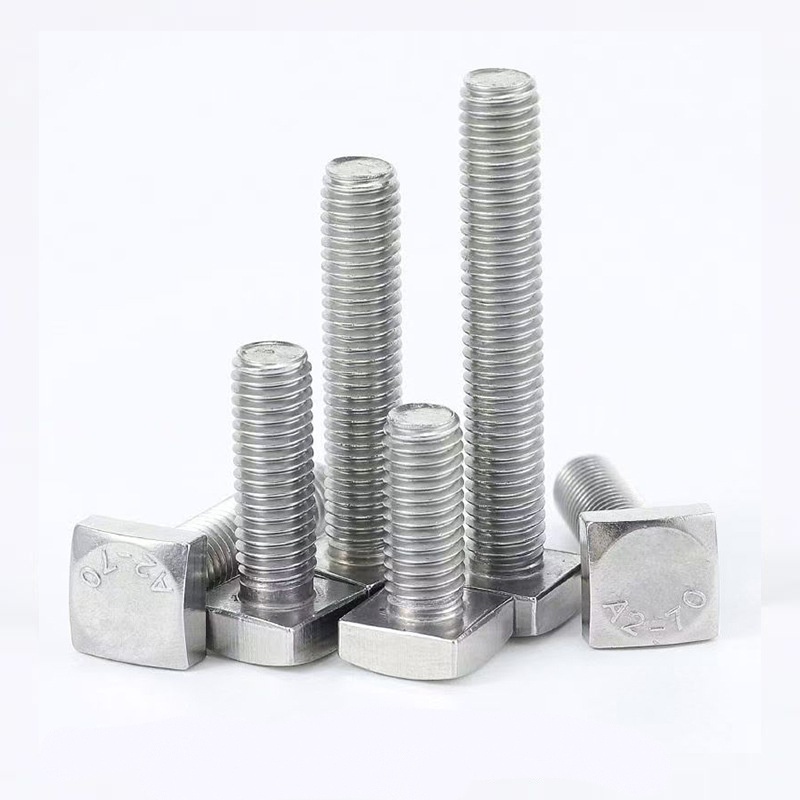
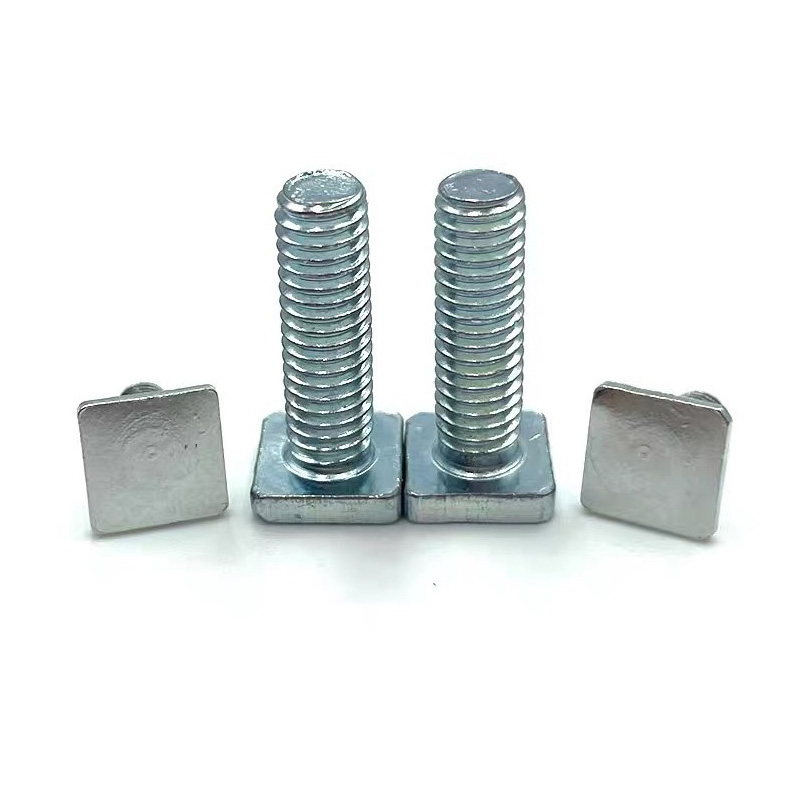
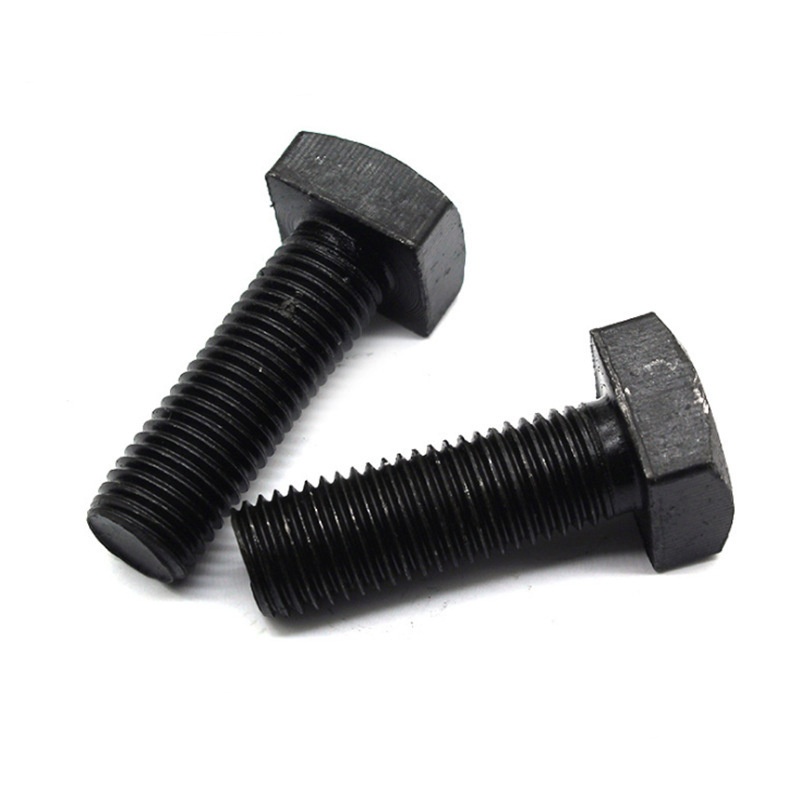
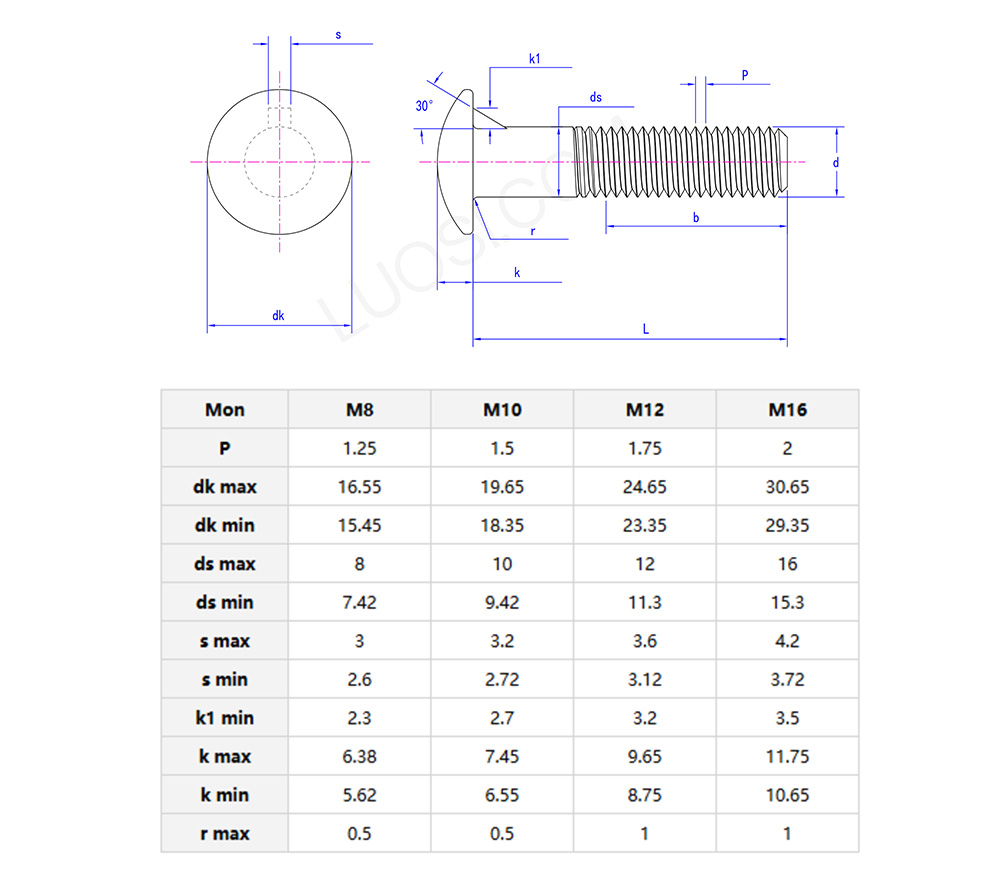
The Cup head nib bolts produced by Xiaoguo® Company can firmly clamp soft materials such as wood or plastic. The cup-shaped head provides a larger tightening surface area, and the pointed tip at the bottom can penetrate deep into the bolt to prevent it from slipping or rotating during operation.
Model:DIN 607-1981
Send Inquiry
Product Description
The head of the cup head nib bolts is like a small cup, round and bulging. Below it is connected to a sharp tenon, and the screw part has threads. This design is very special. It has unique advantages when fixing things and can be put to use in many places.
Product details and parameters
Cup head nib bolts can be used for making wooden models in school handicraft classes. In school handicraft classes, when making wooden models, such as those of small houses and small boats, they can be used to fix parts. It is easy to operate, allowing students to quickly get the hang of it. Moreover, it can make the structure of the model more solid, facilitating students to display their works and also making it convenient for the long-term preservation of the model.
DIY enthusiasts use cup head nib bolts when repairing drainage ditches or downspouts. The bolts can be locked in aluminium or steel without drilling holes, and the cup head bolts are hidden under the sealant. If you want durable bolts, you can choose stainless steel material. After the storm, there won't be any rust left on the house.
Farmers use the bolts when repairing granaries or irrigation pipes. The bolts can firmly grasp the rusty surface and effectively resist the dampness of the barn. The low bolt heads will not catch hay or tools, and there is no need to stop the machine due to the detachment of fasteners.
Product selling point
The cup head nib bolts are not only firmly fixed and installed quickly, but the cup head shape can expand the contact area, disperse the pressure during tightening, and make the connection more solid and not easy to loosen; The pointed tenon can be easily inserted into the material to prevent the bolt from turning randomly when tightened, and it is also more convenient to install.
Product Material
We make Cup Head Nib Bolts from a few basic materials, mainly carbon steel, alloy steel, and stainless steel. The right choice depends on where they’ll be used.
For regular, everyday jobs—like fastening indoor equipment under low to medium load—carbon steel types such as 1010 or 1018 work fine. They’re budget-friendly, but usually need a coating like galvanizing to prevent rust.
If you need more strength—for things like heavy machinery or automotive chassis connections—we use alloy steels like 35CrMo. These get heat-treated to improve their strength and toughness.
For places where rust is a concern, stainless steel is the way to go. Grade 304 is good for dry indoor settings, like home appliances. If you’re working outdoors, near saltwater, or with chemicals, grade 316 is a better choice because it resists corrosion better.
The material you pick really comes down to your working conditions—how wet it is, how much weight the bolt will carry, and what kind of corrosion risk there is.
Product transportation costs
Shipping costs for Cup Head Nib Bolts depend on a few things: how heavy they are, how much space they take up, how far they're going, and how you want them delivered.
For small orders (under 20kg), we usually send them by courier. Shipping is priced by starting weight plus extra for each additional kilogram. Within the country, the base charge is around $1.5 to $3, and each extra kilo costs about $0.3 to $1.2.
For larger orders (over 20kg), freight shipping or LTL (less-than-truckload) is often cheaper. Cost is based on either the actual weight or the size of the package—whichever comes out higher. To find the size weight, multiply the length, width, and height in centimeters, then divide by 6000.
For example, shipping 1 ton domestically over a long distance usually runs between $60 and $90. The more you ship, the lower the cost per unit.
For international orders, things like port fees and customs come into play. Sea freight is slower but cheaper, while air freight is faster but costs more.
If you need door-to-door delivery or expedited shipping, that can add 20% to 50% to the base price.
It’s a good idea to check the full cost with your shipping provider before sending to avoid surprises later.
Product Material
We make Cup Head Nib Bolts from a few basic materials, mainly carbon steel, alloy steel, and stainless steel. The right choice depends on where they’ll be used.
For regular, everyday jobs—like fastening indoor equipment under low to medium load—carbon steel types such as 1010 or 1018 work fine. They’re budget-friendly, but usually need a coating like galvanizing to prevent rust.
If you need more strength—for things like heavy machinery or automotive chassis connections—we use alloy steels like 35CrMo. These get heat-treated to improve their strength and toughness.
For places where rust is a concern, stainless steel is the way to go. Grade 304 is good for dry indoor settings, like home appliances. If you’re working outdoors, near saltwater, or with chemicals, grade 316 is a better choice because it resists corrosion better.
The material you pick really comes down to your working conditions—how wet it is, how much weight the bolt will carry, and what kind of corrosion risk there is.
Product transportation costs
Shipping costs for Cup Head Nib Bolts depend on a few things: how heavy they are, how much space they take up, how far they're going, and how you want them delivered.
For small orders (under 20kg), we usually send them by courier. Shipping is priced by starting weight plus extra for each additional kilogram. Within the country, the base charge is around $1.5 to $3, and each extra kilo costs about $0.3 to $1.2.
For larger orders (over 20kg), freight shipping or LTL (less-than-truckload) is often cheaper. Cost is based on either the actual weight or the size of the package—whichever comes out higher. To find the size weight, multiply the length, width, and height in centimeters, then divide by 6000.
For example, shipping 1 ton domestically over a long distance usually runs between $60 and $90. The more you ship, the lower the cost per unit.
For international orders, things like port fees and customs come into play. Sea freight is slower but cheaper, while air freight is faster but costs more.
If you need door-to-door delivery or expedited shipping, that can add 20% to 50% to the base price.
It’s a good idea to check the full cost with your shipping provider before sending to avoid surprises later.
Hot Tags: Cup Head Nib Bolts, China, Manufacturer, Supplier, Factory
Related Category
Hexagon Head Bolt
Hexagon Head Flange Bolt
Square Head Bolt
Round Head Bolt
Countersunk Bolt
Knuckle Bolt
T-bolt
U Bolt
Foundation Bolts
Anchor Bolt
Hub Bolt
Hexalobular Socket Pan Head Bolt
Twelve Angle Bolt
Send Inquiry
Please Feel free to give your inquiry in the form below. We will reply you in 24 hours.