- English
- Español
- Português
- русский
- Français
- 日本語
- Deutsch
- tiếng Việt
- Italiano
- Nederlands
- ภาษาไทย
- Polski
- 한국어
- Svenska
- magyar
- Malay
- বাংলা ভাষার
- Dansk
- Suomi
- हिन्दी
- Pilipino
- Türkçe
- Gaeilge
- العربية
- Indonesia
- Norsk
- تمل
- český
- ελληνικά
- український
- Javanese
- فارسی
- தமிழ்
- తెలుగు
- नेपाली
- Burmese
- български
- ລາວ
- Latine
- Қазақша
- Euskal
- Azərbaycan
- Slovenský jazyk
- Македонски
- Lietuvos
- Eesti Keel
- Română
- Slovenski
- मराठी
- Srpski језик

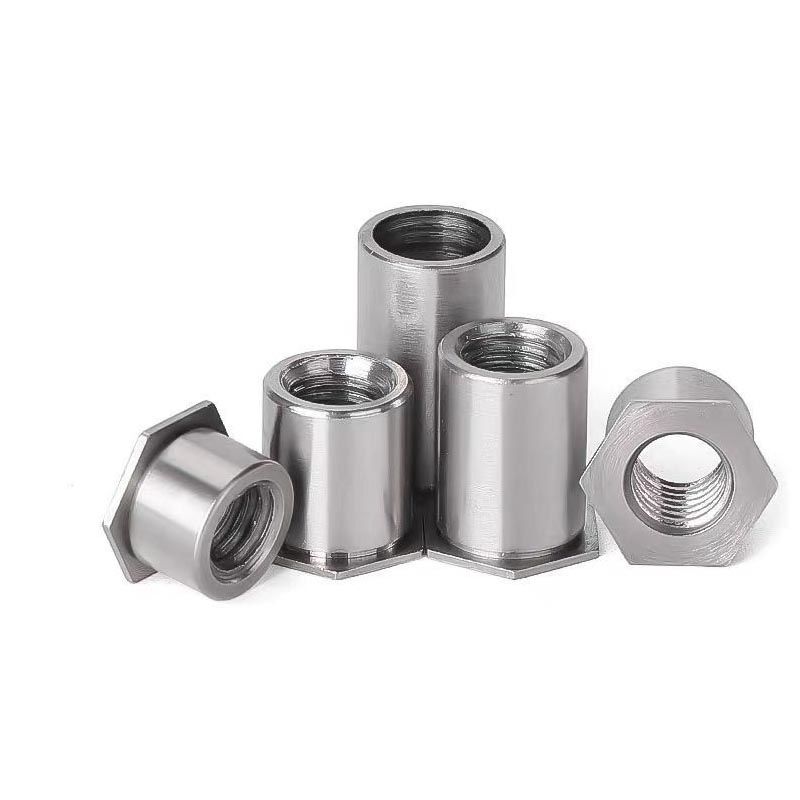
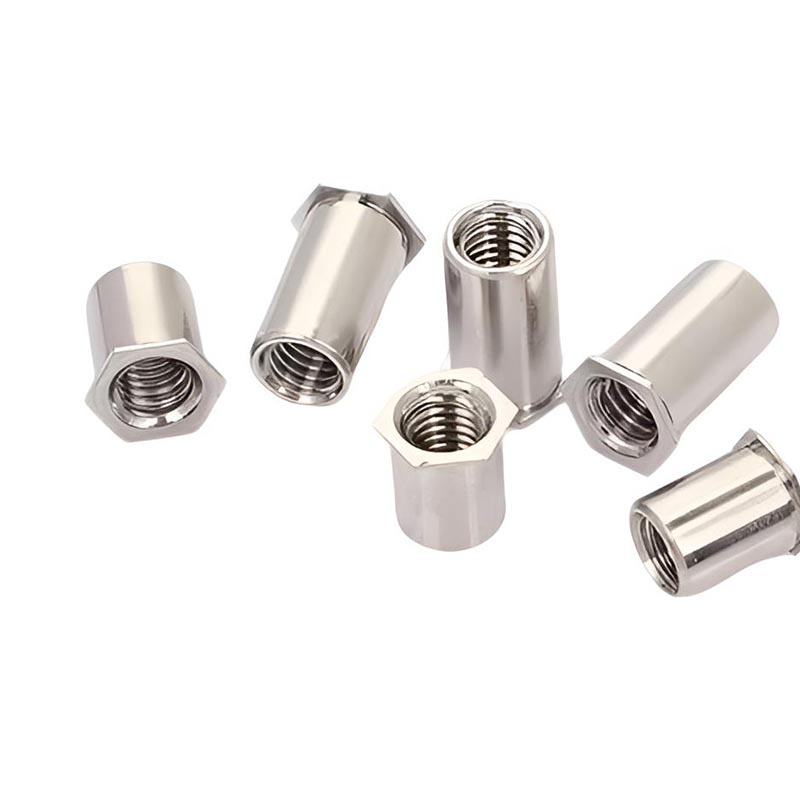
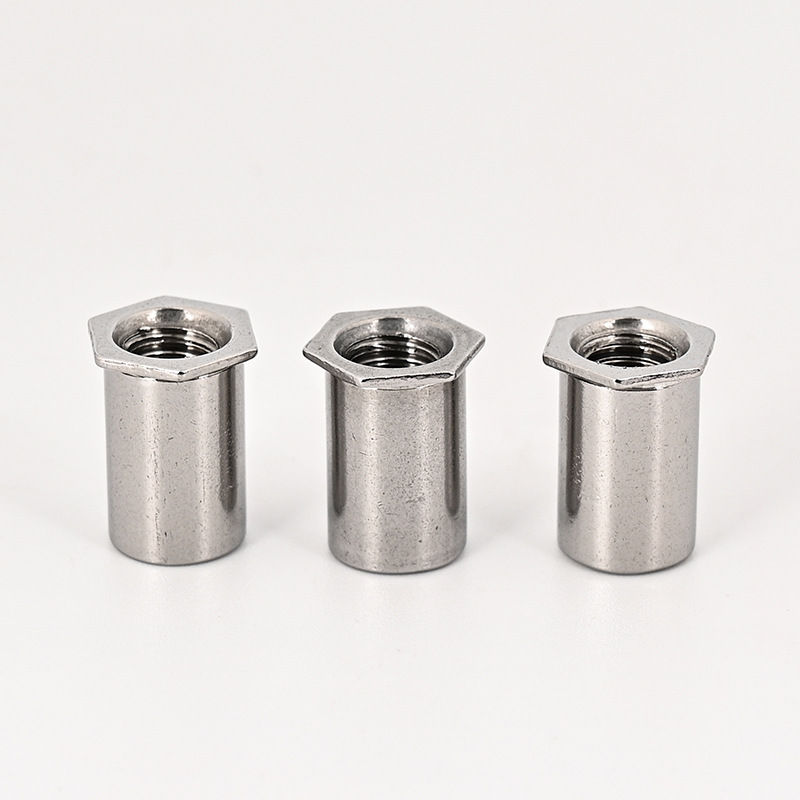
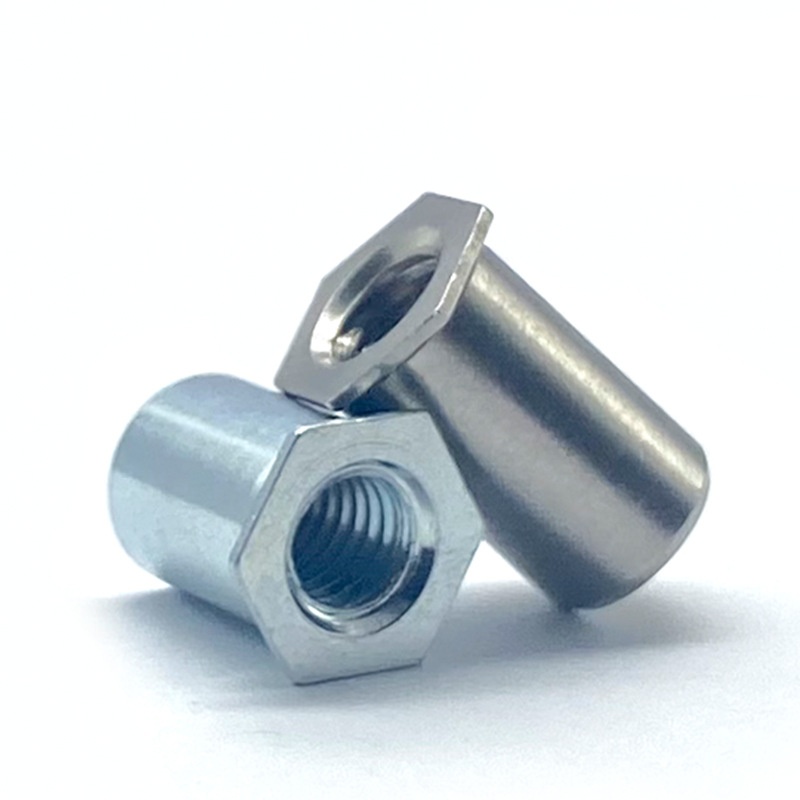
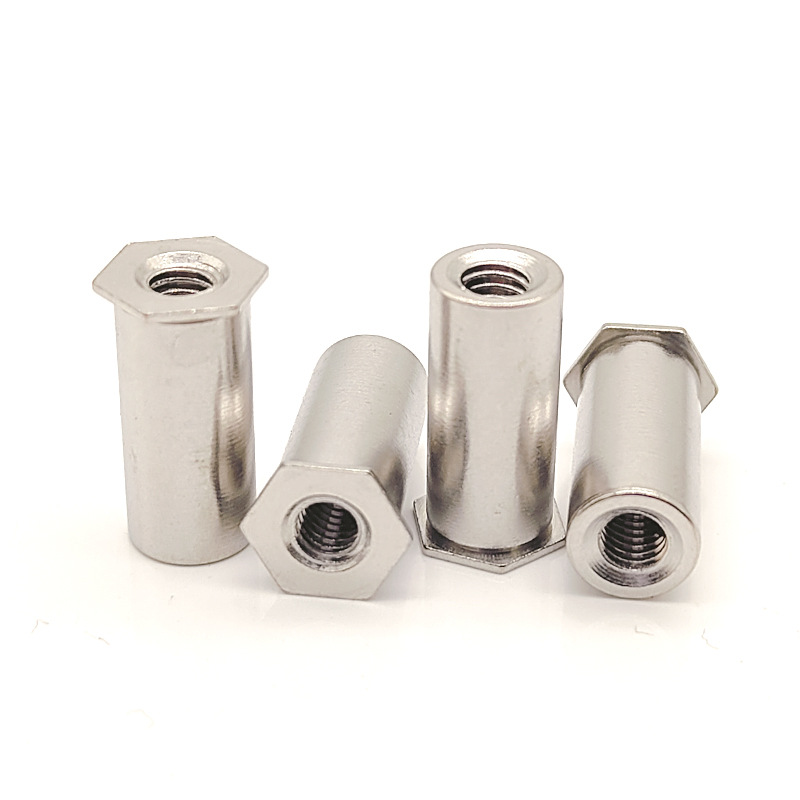
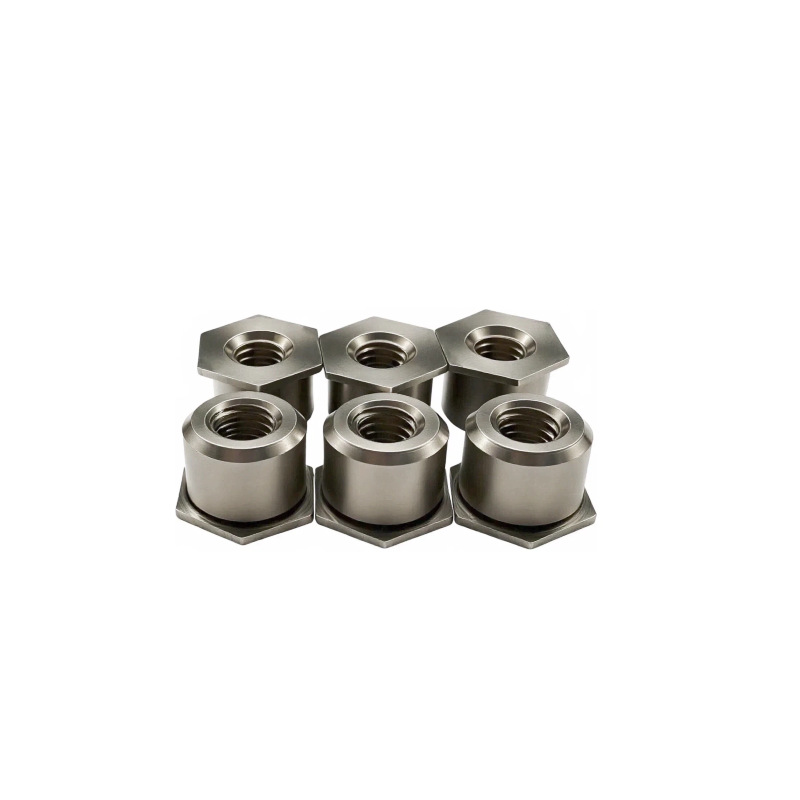
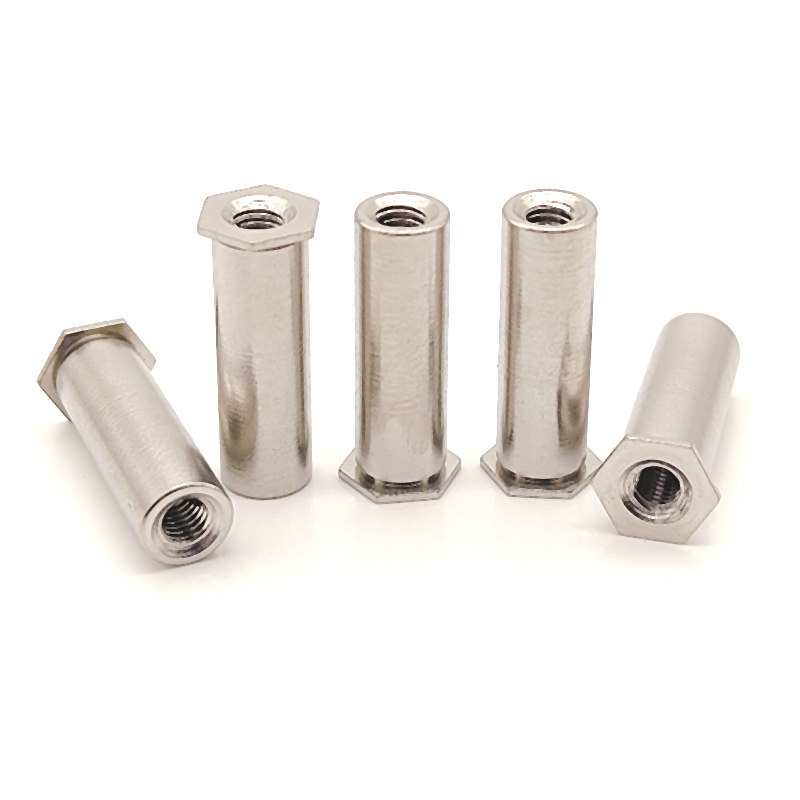
Various Sizes Through Hole Hexagonal Rivet Nut
Source precision-engineered fasteners directly from our China Various Sizes Through Hole Hexagonal Rivet nut factory. XIAO GUO manufactures these durable Various Sizes Through Hole Hexagonal Rivet nut units with consistent quality for strong, reliable threads in sheet metal.
Send Inquiry
Product Description
Various sizes of through-hole hexagonal rivet nut commonly use carbon steel as the raw material.Carbon steel is the most widely used option. It’s tough enough for regular sheet metal jobs, like furniture assembly or small equipment fixes. Most carbon steel versions have a basic zinc plating to prevent rust, which works well for indoor use or covered outdoor areas.
For damp environments or outdoor applications, stainless steel is a better choice. It resists moisture and corrosion effectively, even in slightly salty coastal regions. We also offer aluminum materials for lightweight needs—mostly used in electronics, where heavy parts might impact device performance.
All materials meet basic industry standards, with no unnecessary extra treatments. Pick carbon steel for daily tasks, stainless steel for wet conditions, and aluminum for light-duty work. Various Sizes Through Hole Hexagonal Rivet nut’s material options cover most common assembly needs, focusing on practicality over fancy features.
Product surface treatment
Zinc plating is the most common option. It’s a basic process that adds a thin protective layer to prevent rust. It works well for indoor use or covered outdoor spots, like workshops or furniture assembly areas. It doesn’t change the nut’s size much, so it won’t affect how it fits into pre-drilled holes.
For better corrosion resistance, hot-dip galvanizing is available. It’s thicker than regular zinc plating, so it holds up longer in humid environments or places with frequent moisture, such as coastal workshops. For stainless steel nuts, we use passivation treatment—it enhances their natural rust-proof ability without altering their appearance.
No fancy coatings here, just practical protection. Pick zinc plating for standard needs, hot-dip galvanizing for damp conditions, and passivation for stainless steel models. Various Sizes Through Hole Hexagonal Rivet nut’s surface treatments focus on basic durability, fitting most common sheet metal assembly scenarios.
Q&A Session
Q: Can it be used on aluminum sheet metal?
A:Yes, it works perfectly on aluminum sheets. Aluminum is a common material for light-duty projects, and the nut’s hexagonal shape prevents spinning during installation. Just make sure the sheet thickness is between 0.8mm and 2.5mm—this range keeps the nut locked firmly without deforming the aluminum. We often supply this nut to electronics factories that use aluminum casings.
Hot Tags: Various Sizes Through Hole Hexagonal Rivet Nut, China, Manufacturer, Supplier, Factory
Related Category
Hexagon Nut
Square Nut
Hexagon Flange Nut
Lock Nut
Cap Nut
Hexagon Slotted Nut
Hand Screw The Nut
Round Nut
Hubs Nuts
T-nut
Reed Nut
Other Nuts
Send Inquiry
Please Feel free to give your inquiry in the form below. We will reply you in 24 hours.