- English
- Español
- Português
- русский
- Français
- 日本語
- Deutsch
- tiếng Việt
- Italiano
- Nederlands
- ภาษาไทย
- Polski
- 한국어
- Svenska
- magyar
- Malay
- বাংলা ভাষার
- Dansk
- Suomi
- हिन्दी
- Pilipino
- Türkçe
- Gaeilge
- العربية
- Indonesia
- Norsk
- تمل
- český
- ελληνικά
- український
- Javanese
- فارسی
- தமிழ்
- తెలుగు
- नेपाली
- Burmese
- български
- ລາວ
- Latine
- Қазақша
- Euskal
- Azərbaycan
- Slovenský jazyk
- Македонски
- Lietuvos
- Eesti Keel
- Română
- Slovenski
- मराठी
- Srpski језик


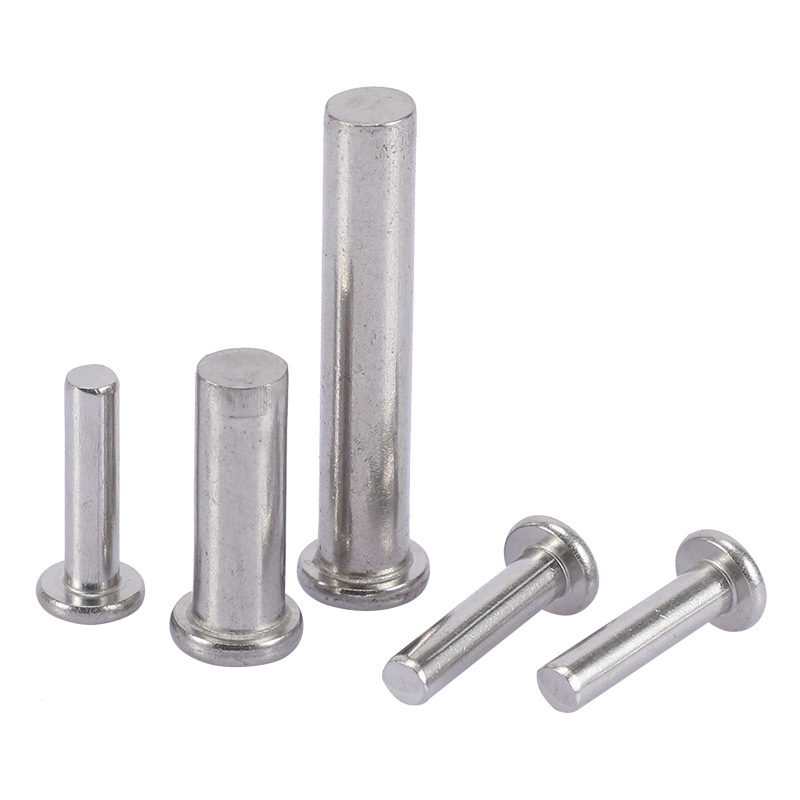
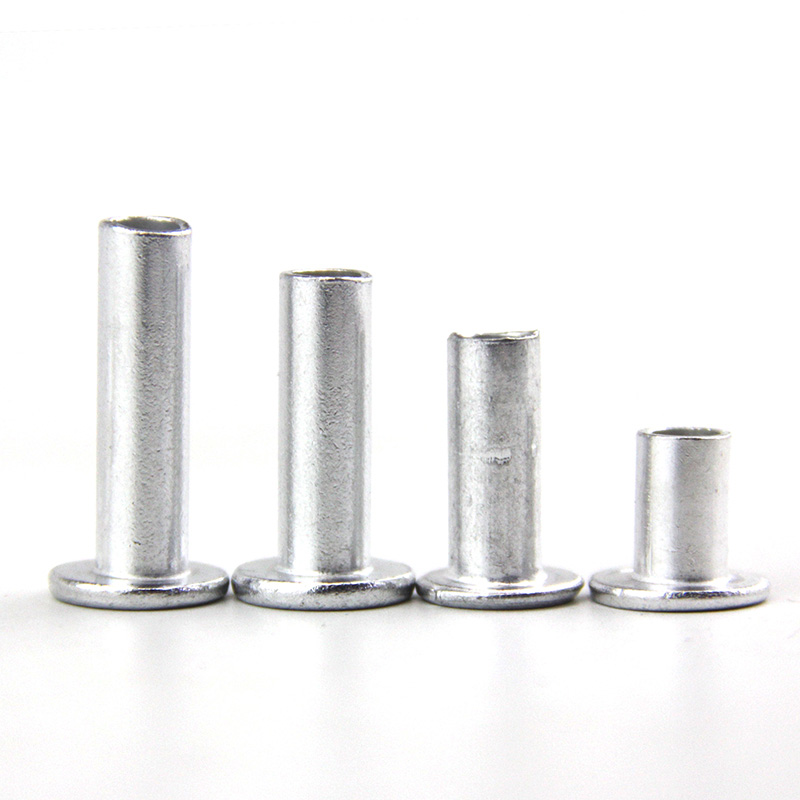
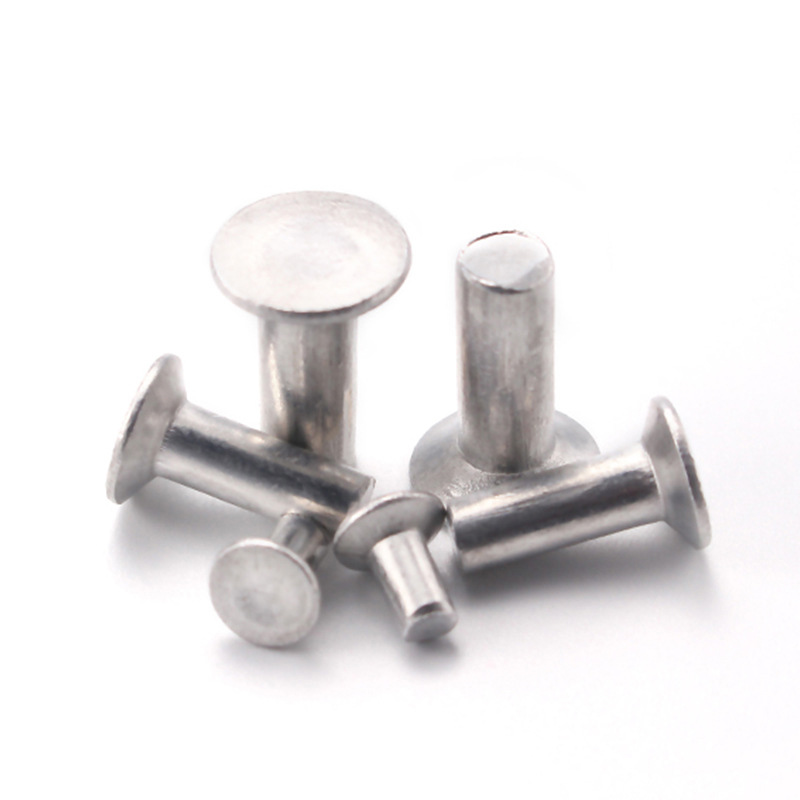
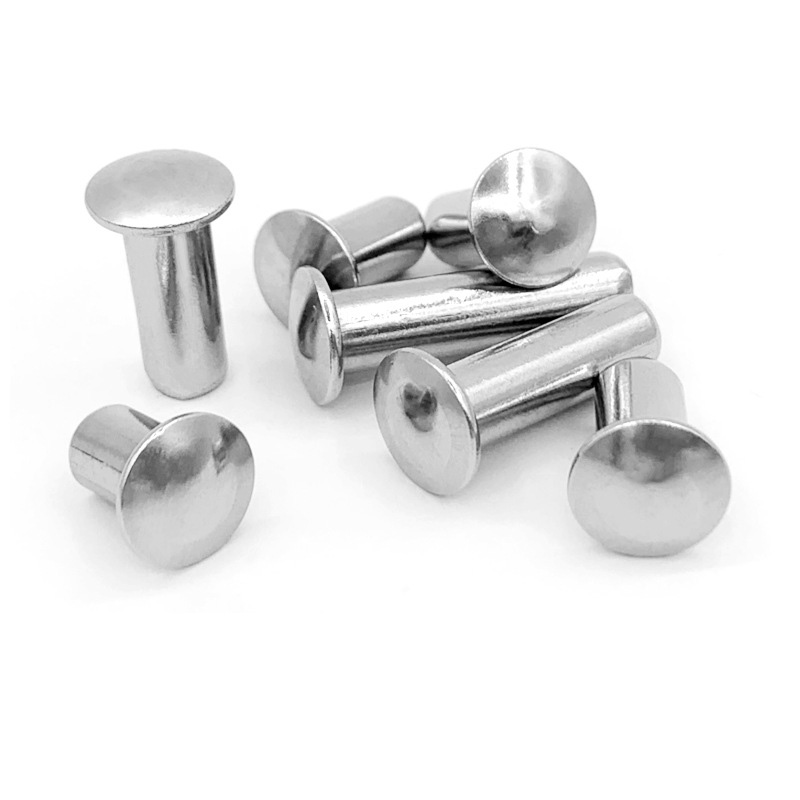
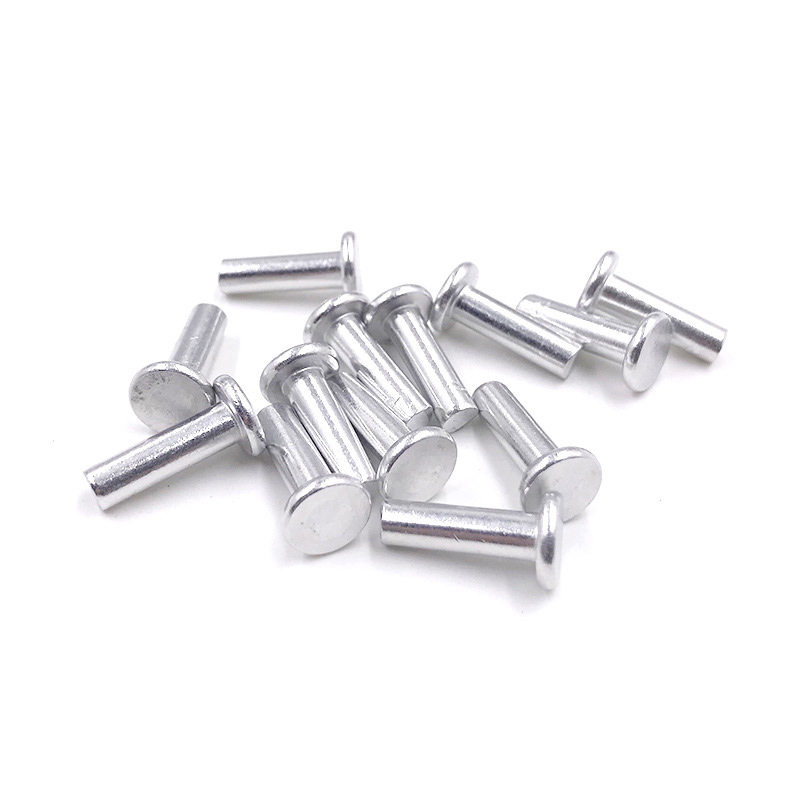
Effortlessly Efficient Core Pulling Rivet
2.Effortlessly Efficient Core Pulling Rivet without effort optimizes the mandrel structure and load-bearing aspects, making it labor-saving and reliably strong.Xiaoguo streamlines the ordering process to make sourcing it fast and hassle-free for clients.
Send Inquiry
Product Description
Effortlessly Efficient Core Pulling Rivet are made from different tough materials to fit different uses. The most common material for Core-pulling rivet is aluminum—it’s light and cheap, perfect for regular jobs like joining plastic or thin metal sheets.
Steel options are also widely used for heavy-duty work: carbon steel is strong, while stainless steel (304/316 grade) keeps rust away in marine or outdoor conditions. Some rivets are made of copper (good for electrical conductivity) or brass (resists corrosion in chemical environments). We pick each material to match what the rivet’s going to be used for, so the fastener holds up fine in its working conditions—whether it’s for small home repairs or big industrial manufacturing jobs.
Effortlessly Efficient Core Pulling Rivet have different surface treatments to make them more durable and stop them from rusting. The finish for Core-pulling rivet is zinc plating—it’s cheap and easy to put on, and it works fine for regular use in dry or indoor spaces.
For tougher conditions, galvanization (hot-dip or electro-galvanizing) makes a thicker protective layer, which is great for outdoor or marine use. Some rivets also use anodization (for aluminum ones) to make them more resistant to corrosion and add a colored finish, or passivation for stainless steel rivets to keep them from rusting. These treatments are matched to where the rivet will be used, so the fastener lasts longer and works reliably—whether it’s for DIY projects or industrial assembly work.
Question: How long can Effortlessly Efficient Core Pulling Rivet last in outdoor or marine environments?
How long a Core-pulling rivet lasts outside or near saltwater depends on its material and coating. If you're using a stainless steel (304/316) Core-pulling rivet, it can easily handle marine settings for over 10 years. A zinc-plated steel Core-pulling rivet will typically last 3-5 years outdoors, while aluminum is good for about 2-4 years in normal weather. For wet or coastal areas, it's best to avoid plain carbon steel rivets and pick a corrosion-resistant type instead.

| D | L+0.99 | Pmin | Pore diameter | Welding range |
| φ2.4 | 4-16 | 26 | φ2.5 | L-4.5 L-2.5 |
| φ3.0 | 6-16 | 26 | φ3.1 | L-5.0 L-3.0 |
| φ3.2 | 6-20 | 27 | φ3.3 | L-5.5 L-3.5 |
| φ4.0 | 6-20 | 27 | φ4.1 | L-6.0 L-4.0 |
| φ4.8 | 8-25 | 27 | φ4.9 | L-7.0 L-5.0 |
| φ5.0 | 8-25 | 27 | φ5.1 | L-7.5 L-5.5 |
| φ6.0 | 10-30 | 27 | φ6.1 | L-8.0 L-6.0 |
| φ6.4 | 12-40 | 27 | φ6.5 | L-8.5 L-6.5 |
| Size Notes: The above parameters are based on single-batch measurement data and are for reference only. Actual dimensions shall prevail. | ||||
Hot Tags: Effortlessly Efficient Core Pulling Rivet
Related Category
Solid Rivet
Hollow And Semi-Hollow Rivet Screws
Cored Rivet
Pull Riveted Nuts And Screws
Riveted Nuts And Screws
Plastic Rivet
Send Inquiry
Please Feel free to give your inquiry in the form below. We will reply you in 24 hours.